Safe defrosting doesn't mean sacrificing speed. This guide covers USDA-approved methods, timing considerations for different proteins, and how to choose the right approach when time is tight. Whether you're planning ahead or scrambling for a same-day solution, you'll learn how to thaw food safely without compromising quality or risking your health.
TL;DR
- Three USDA-approved methods: refrigerator, cold water, and microwave
- Counter and hot water defrosting violate food safety standards
- Plan ahead: small cuts take 1 hour (cold water) while large roasts need 24+ hours (refrigerator)
- Refrigerator method allows 1-3 days storage; other methods require immediate cooking
How to Defrost Food Using Different Methods
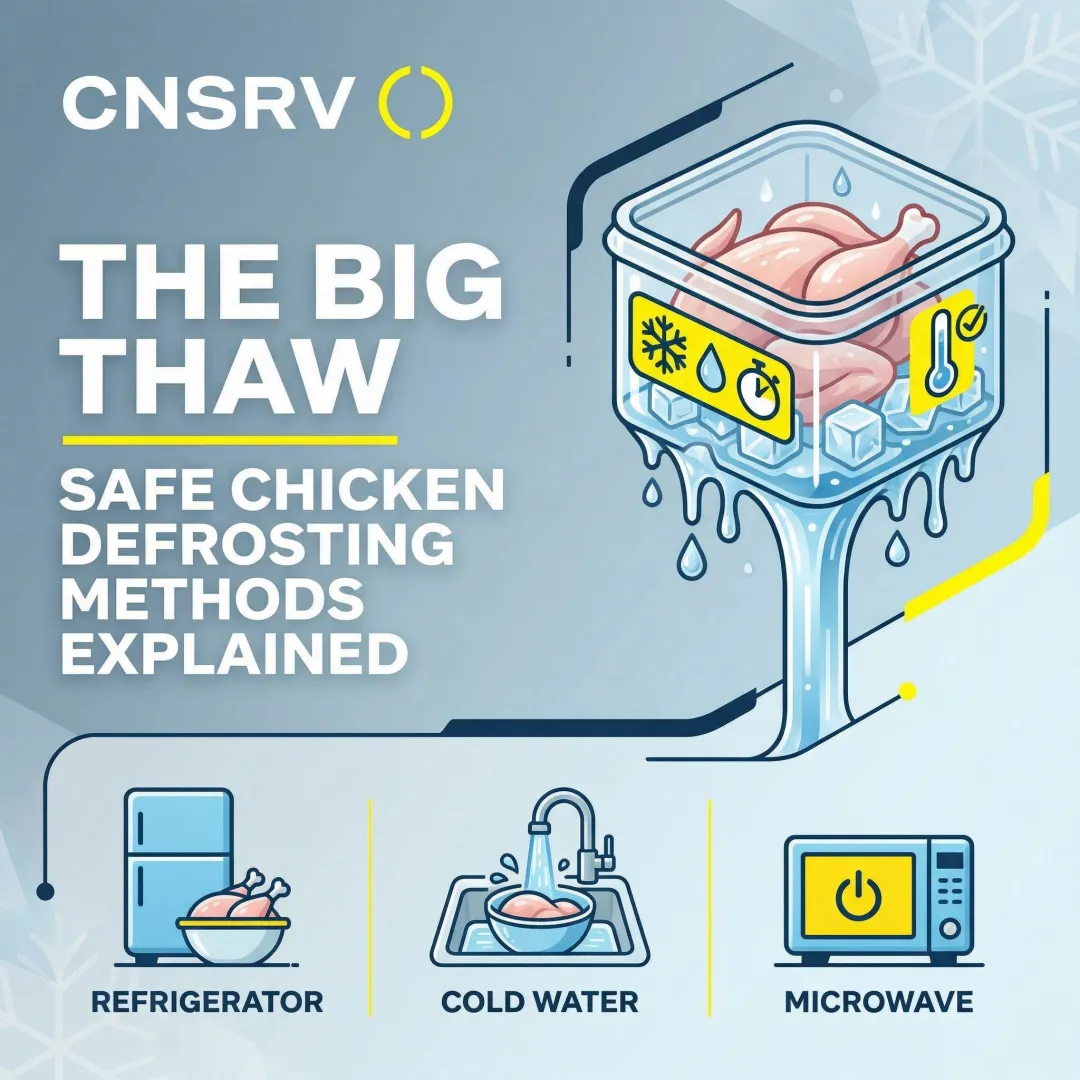
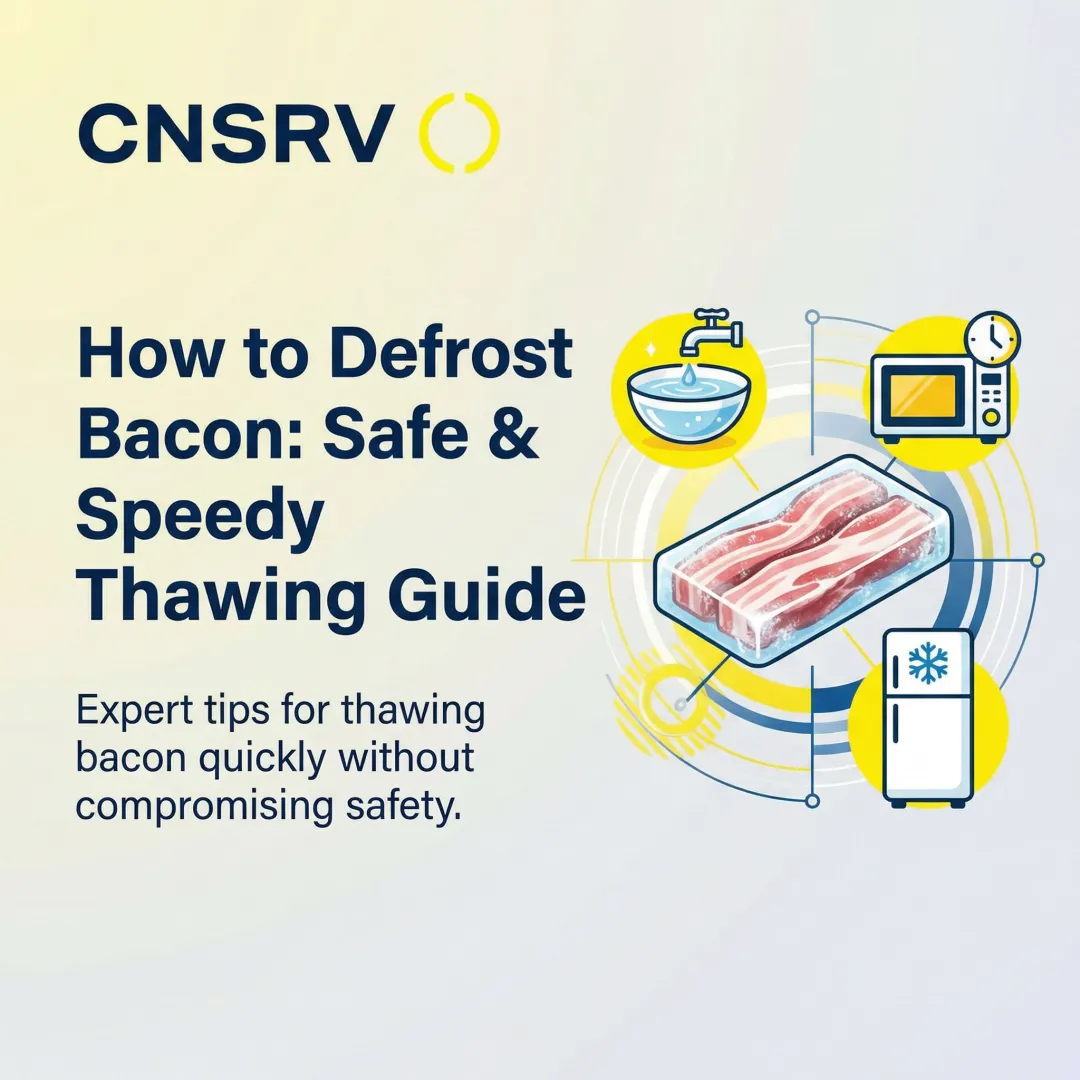
Refrigerator Method (Safest, Most Hands-Off)
Preparation:Place your frozen item in sealed packaging on a rimmed plate or shallow container. Position it on the lowest refrigerator shelf to prevent juices from dripping onto other foods.
Timing requirements:
| Item Weight/Type | Thaw Time |
|---|---|
| 1 lb (ground meat, chicken breasts) | 24 hours |
| 3-4 lb (whole chicken, small roast) | 1-2 days |
| 12 lb (whole turkey) | 2-3 days |
| 20 lb (large turkey) | 4-5 days |
Large items require approximately 24 hours per 5 pounds. Plan accordingly—a 15-pound turkey needs three full days.
Safety advantages:
- Food stays at 40°F or below throughout thawing, keeping it out of the danger zone
- Once thawed, ground meat and poultry remain safe for 1-2 days before cooking
- Steaks and roasts last 3-5 days after thawing
- Only method allowing you to refreeze uncooked food if plans change (texture may decline slightly)

Post-thaw flexibility:This method gives you breathing room. Thawed a steak on Monday but won't cook until Wednesday? That's safe. Changed your mind about that roast? Refreeze it without cooking first.
Cold Water Method (Faster Alternative)
Setup:Ensure food is in leak-proof packaging—if water seeps in, bacteria can contaminate the food and the tissue absorbs excess moisture.
Submerge the sealed package in a clean bowl or sink filled with cold tap water.
Active monitoring required:Change the water every 30 minutes to maintain cold temperature and continue the thawing process. Warm water creates bacterial growth conditions.
Timing expectations:
- Small packages (1 pound): 1 hour or less
- Medium packages (3-4 pounds): 2-3 hours
- Whole turkey (12 pounds): 6 hours (versus 2-3 days in refrigerator)
- Large items: Approximately 30 minutes per pound

Critical safety rule:Cook food immediately after thawing. You cannot store it for later or refreeze it without cooking first. This method commits you to cooking that day.
Water usage consideration:This method requires continuous water changes and significantly more water than refrigerator thawing.
For commercial operations handling high volumes, CNSRV's NSF-listed defrosting equipment reduces water usage by up to 98% while cutting defrosting time in half compared to traditional running water methods.
Microwave Method (Emergency Option Only)
Setup:Remove all packaging—foam trays and plastic wraps aren't heat-stable at high temperatures. Arrange food in a single layer on a microwave-safe plate and select the defrost setting (typically 30% power).
Procedure:Stop and flip the food every 1 minute to promote even thawing. This prevents edges from cooking while the center remains frozen.
Major limitations:
- Easily causes partial cooking on edges, especially with delicate proteins like fish, shrimp, or thin chicken breasts
- Creates uneven texture that affects final dish quality
- Some spots may warm into the danger zone while others stay frozen
Safety requirement:Cook immediately after microwaving—bacteria begin multiplying in warm spots. Don't hold partially thawed food for later use.
Expert recommendation:Use only as a last resort when time is critically short. Even waiting 1-2 hours for the cold water method produces better results.
When Should You Use Each Method?
Method selection depends on available time, protein type, portion size, and whether you're cooking immediately or storing for later.
Planning Ahead Scenarios (Use Refrigerator)
Refrigerator thawing works best when you have 24+ hours before cooking. It's ideal for meal prepping, large cuts, and situations where you want flexibility to cook 1-3 days after thawing.
Key advantages:
- Zero food safety risk—stays in safe temperature range throughout
- Completely hands-off process
- Maintains best texture and quality
- Allows refreezing if plans change
A steak thawed Monday can be cooked Wednesday or refrozen Tuesday without safety concerns.
Time-Crunched Situations (Use Cold Water)
Best for:
- Same-day cooking when you forgot to thaw overnight
- Individual portions (steaks, chicken breasts, fish fillets)
- Proteins you'll cook within 2-3 hours
- Medium-sized items (3-4 pounds)
Trade-offs:Requires checking and changing water every 30 minutes, uses significant water, and requires you to cook immediately. Set a timer—forgetting to change water slows thawing and increases food safety risk.

Emergency Last-Minute Cooking (Microwave with Caution)
Use microwave defrosting only when cooking must begin in under 1 hour. This method works but sacrifices texture and evenness.
When to avoid:
- Delicate proteins (fish, shrimp, thin-cut chicken)
- High-quality steaks where texture matters
- Any situation where you can wait even 1-2 hours for cold water method
- Large or irregularly shaped items that won't thaw evenly
Cooking From Frozen (Skip Thawing Entirely)
Many oven-safe items can go straight from freezer to heat when you extend cooking time by approximately 50%. This eliminates thawing entirely.
Works well from frozen:
- Ground beef patties
- Individually wrapped chicken breasts
- Pre-formed meatballs
- Thin fish fillets
- Vegetables
Avoid cooking from frozen:
- Stuffed poultry—stuffing may not reach safe temperature
- Large whole roasts—exterior overcooks before center thaws
- Breaded items requiring crispy coating
- Recipes requiring marinade or seasoning absorption
What You Need Before Defrosting Food
Having the right equipment ready before you start defrosting prevents cross-contamination and keeps food at safe temperatures. The items you need depend on which thawing method you choose.
Equipment and Storage Requirements
Essential items:
- Leak-proof packaging or sealed bags (critical for cold water method)
- Rimmed plates or shallow containers (for refrigerator method to catch drips)
- Microwave-safe plates (for microwave method)
- Clean work surfaces
- Sanitized sink (for cold water method)
Safety monitoring tools:
- Refrigerator thermometer to ensure 40°F or below
- Food thermometer to check doneness after cooking (165°F for poultry, 160°F for ground meats, 145°F for whole cuts with 3-minute rest)
Once you've gathered your equipment, the next critical factor is timing. Different methods require vastly different planning windows.
Time and Planning Considerations
Plan ahead based on your method:
- Refrigerator thawing: Calculate 24 hours per 5 pounds (a 20-pound turkey needs 4-5 days)
- Cold water thawing: Allow 30 minutes per pound, plus time to cook immediately after
- Microwave thawing: Fastest option, but you must cook the food within the hour
Starting a 20-pound turkey on Thanksgiving morning won't work. If you won't be home to cook within the hour, don't use the microwave method.
Key Parameters That Affect Defrosting Results
Defrosting speed and safety depend on controllable variables beyond just method selection.
Food Thickness and Density
Thicker cuts and bone-in pieces take significantly longer than flat items. This directly impacts kitchen workflow and prep timing.
Timing examples for commercial kitchens:
- 1-inch steak: 1 hour using cold water method
- 4-inch roast: 8+ hours in refrigerator
- Chicken breasts: faster than round roasts (more surface area)
- Whole chickens: longer than boneless cuts of same weight
Dense proteins with bones require more time than boneless cuts. Plan your prep schedule accordingly.
Starting Temperature of Thawing Environment
A refrigerator set at 35°F thaws slower than one at 40°F. Water temperature affects cold water method speed—colder water slows the process but maintains safety.
Critical safety thresholds:
- Never exceed 40°F for refrigerator storage
- Never use warm or hot water for submersion thawing
- The danger zone begins at 40°F—warmer temperatures speed thawing but increase bacterial growth risk
Commercial defrosting systems control water temperature and circulation to optimize both speed and safety simultaneously.
Packaging and Airflow
Vacuum-sealed packaging transfers heat differently than loose wrapping. Air circulation in your refrigerator affects thaw rate—items buried behind other foods thaw slower than those with space around them.
Packaging guidelines:
- Keep packaging sealed until ready to cook
- Prevents bacterial contamination and moisture absorption
- Don't unwrap frozen meat to "speed up" thawing—only increases contamination risk
Portion Size and Separation
A single 1-pound package thaws much faster than 5 pounds frozen together in one block. Separated items have more surface area exposed to cold water or refrigerator air.
Freeze proteins in portion sizes you'll actually use. Four 1-pound packages of ground beef offer more flexibility than one 4-pound block and thaw in a quarter of the time.
Common Mistakes When Defrosting Food
Using Hot Water or Countertop Thawing
The most dangerous mistake—about 10% of consumers still thaw meat on countertops. This method creates serious risks:
- Hot water brings outer layers into the danger zone where bacteria can double every 20 minutes
- The center remains frozen while the surface breeds pathogens
- Creates perfect conditions for foodborne illness

Refreezing Improperly Thawed Food
Beyond initial thawing safety, refreezing requires specific rules:
Cold water or microwave thawing: Must cook food before refreezingRefrigerator thawing: You can safely refreeze without cooking, though quality may decline
Not Changing Water Frequently Enough
During cold water thawing, 9% of participants used unsafe water methods like failing to change water every 30 minutes. Stagnant water warms above safe temperature, slowing thawing and creating bacterial growth conditions.
Alternatives to Standard Home Defrosting Methods
Beyond refrigerator, cold water, and microwave methods, several alternatives suit specific commercial and home scenarios.
Cooking From Frozen
This method works well when you're out of time for thawing, working with oven-safe items like roasts or casseroles, or using recipes designed for frozen ingredients. Cooking from frozen requires approximately 50% longer cooking time but eliminates thawing entirely.
Trade-offs to consider:
- Not suitable for stovetop or quick-cooking methods
- May affect texture if exterior overcooks before center reaches safe temperature
- Works best for ground meats, thin cuts, and individually frozen pieces
Commercial Defrosting Systems (For Food Service Operations)
Commercial kitchens with high defrosting volumes benefit from dedicated systems that replace running-faucet methods. These solutions work best for restaurants with consistent defrosting needs and operations prioritizing water efficiency and compliance.
The trade-off is upfront equipment investment versus long-term savings. NSF-listed commercial defrosters like the CNSRV DC:02 can reduce water usage by up to 98% and cut defrosting time in half compared to traditional running water methods.
For operations handling significant frozen protein volumes, these systems deliver substantial water, cost, and time savings that standard methods cannot match.
Cook-From-Frozen Products
Maximum convenience comes from products specifically designed for frozen-to-cooked preparation—frozen burgers, pre-cooked frozen meals, or individually quick-frozen (IQF) vegetables. These work well when meal planning isn't possible.
Trade-offs include:
- Limited recipe flexibility compared to raw proteins
- Higher cost per serving
- Smaller product selection
- Convenience prioritized over versatility
Conclusion
Safe defrosting comes down to keeping food out of the danger zone (40-140°F) using approved methods that prevent bacterial growth:
- Refrigerator: Best for quality and flexibility, plan 24 hours ahead
- Cold water: Faster with active monitoring, change water every 30 minutes
- Microwave: Emergency only, expect texture loss
- Commercial defrosting systems: For foodservice operations requiring consistent, high-volume thawing
Each method has specific timing requirements and protocols that aren't negotiable.
Most food safety failures happen from taking shortcuts—countertop thawing, hot water, or ignoring timing guidelines. These practices create perfect conditions for bacterial growth that cooking may not fully eliminate, particularly when bacteria produce heat-resistant toxins.
For home kitchens, plan ahead when possible by moving frozen items to the refrigerator 24 hours in advance. Commercial operations handling larger volumes benefit from dedicated defrosting systems that maintain food safety while managing scale.
When time is short, the cold water method provides a safe alternative that balances speed with protocols—commit to changing water every 30 minutes and cooking immediately. Reserve the microwave for true emergencies, and accept that texture and quality will suffer.
Frequently Asked Questions
What is speed defrost?
"Speed defrost" typically refers to microwave defrost settings or rapid thawing techniques. The fastest safe method is microwave defrosting, but it risks uneven thawing, requires careful monitoring to prevent partial cooking, and must be followed by immediate cooking.
Can you refreeze meat after thawing?
Meat thawed in the refrigerator can be safely refrozen without cooking, though quality may decline. Meat thawed in cold water or microwave must be cooked before refreezing.
How long does chicken take to defrost in the fridge?
Boneless chicken breasts take 12-24 hours, bone-in pieces need 24 hours, and whole chickens require 24 hours per 5 pounds of weight. A 4-pound whole chicken needs approximately one full day in the refrigerator.
Is it safe to defrost meat in hot water?
No—hot water brings outer layers into the danger zone (40-140°F) where bacteria multiply rapidly while the center stays frozen. Always use cold water and change it every 30 minutes.
Why can't you leave frozen meat on the counter to thaw?
Countertop thawing allows the outer surface to enter the danger zone while the inside stays frozen, creating conditions for bacterial growth that can cause foodborne illness even after thorough cooking.
What's the fastest safe way to defrost meat?
The microwave is fastest (minutes) but risks uneven thawing and texture damage. Cold water offers the best balance of speed (1-3 hours) and quality when changing water every 30 minutes. For commercial kitchens, closed-loop water-agitation systems like CNSRV's defroster provide faster, safer thawing while using 98% less water than traditional faucet methods.