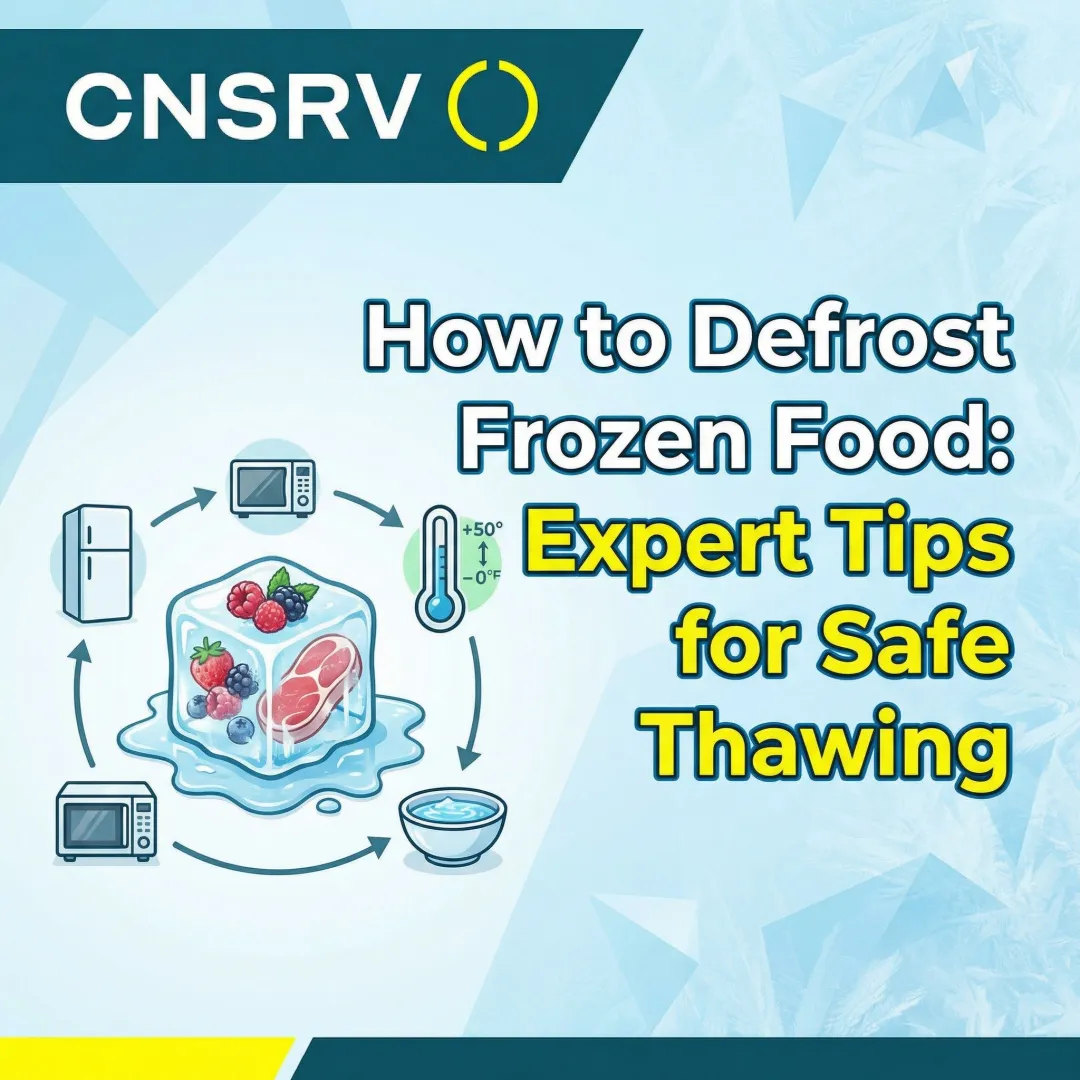
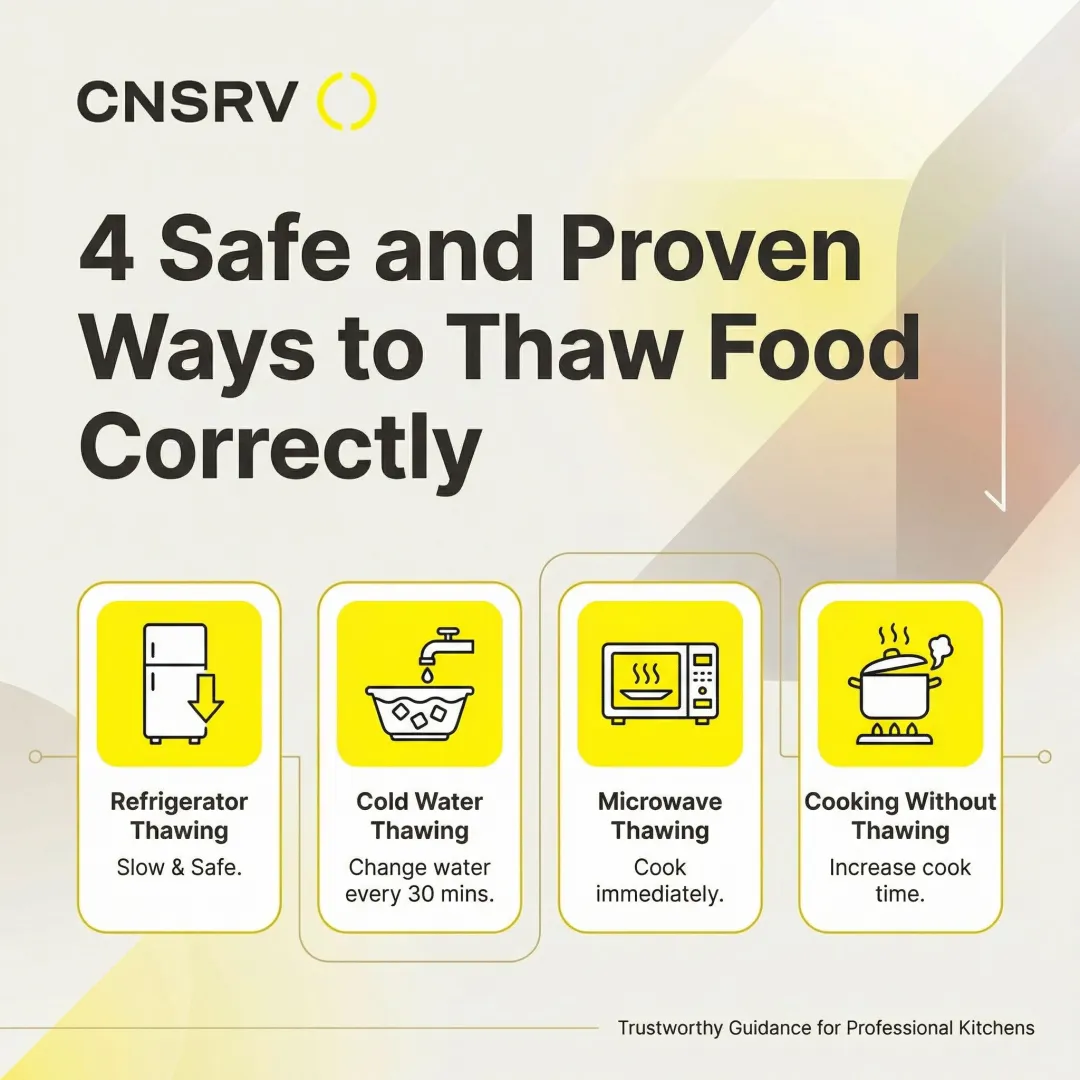
With the global frozen scallop market reaching approximately 1.2 million tonnes annually, the stakes are high for both quality and safety. This guide covers three proven thawing methods, when to use each, and how to avoid common mistakes that compromise your scallops.
TL;DR
- Refrigerator method (10-12 hours) delivers the best texture and flavor
- Need faster results? Cold water thawing takes 1 hour but requires immediate cooking
- Skip the microwave unless it's an emergency—uneven heating ruins texture
- Always pat scallops completely dry before cooking for proper searing
How to Thaw Frozen Scallops: Three Proven Methods
The Refrigerator Method (Overnight Thawing)
The refrigerator method is the gold standard for thawing scallops safely while preserving quality.
Step-by-step process:
- Remove vacuum packaging immediately - This prevents Clostridium botulinum growth, which thrives in low-oxygen environments at temperatures above 38°F
- Place scallops on a paper towel-lined plate - The towels absorb excess moisture that would otherwise create a soggy texture
- Position on the lowest refrigerator shelf - This is the coldest zone (ideally 37°F/3°C) and prevents cross-contamination if any liquid drips
- Allow 10-12 hours for complete thawing - Check that the center is cool but no longer frozen by gently pressing the thickest scallop

Why this method works best:
Gradual temperature change inhibits bacterial growth while preserving the delicate protein structure. According to USDA guidelines, refrigerator thawing at 40°F or below is the only method that allows refreezing without cooking, though some quality loss may occur.
Dry-packed scallops thaw significantly better than wet-packed versions, maintaining firmer texture and releasing less liquid.
The Cold Water Method (Quick Thawing)
When you need scallops thawed within an hour, cold water thawing provides a safe middle ground.
Follow these steps:
- Remove scallops from original packaging and seal in a leak-proof resealable plastic bag, removing as much air as possible
- Submerge completely in cold tap water - Water temperature must stay at 70°F/21°C maximum, never warm water
- Change water every 10 minutes to maintain consistent cold temperature and prevent bacterial growth
- Check after 30 minutes by touching the thickest scallop through the bag—it should be cool and pliable with no frozen core
- Cook immediately after thawing - Unlike refrigerator-thawed scallops, these cannot be refrozen raw

Critical safety note:
Direct water contact causes scallops to absorb excess moisture, creating waterlogged texture and potential bacterial contamination. Always use a sealed bag.
The Microwave Defrost Method (Emergency Only)
Microwave thawing is fastest but carries the highest risk to quality and texture.
If you must use this method:
- Place scallops in a microwave-safe bowl and cover loosely with a thick paper towel to absorb steam
- **Use only the defrost setting** (typically 30% power)
- Microwave in 30-second intervals, checking between each cycle
- Stop immediately when pliable but still cold - Typically 2-3 cycles maximum for small portions
Why this method is problematic:
Microwaves heat unevenly, creating "cold spots" where bacteria survive while other areas begin cooking. This partial cooking creates rubbery edges and tough spots.
The method works marginally better for smaller bay scallops than large sea scallops due to more uniform size.
Mandatory requirement: Cook immediately after microwave thawing. The process may raise portions into the bacterial "Danger Zone" (40-140°F), making immediate cooking essential for safety.
When Should You Use Each Thawing Method?
Method selection depends on available time, scallop quantity, and whether you're cooking at home or managing commercial operations.
Ideal scenarios by method:
- Refrigerator method: Planned meals where you can prep 12-24 hours ahead; delivers best quality and allows flexibility if plans change
- Cold water method: Same-day cooking when you forgot to thaw overnight; requires active monitoring every 10 minutes
- Microwave method: True emergencies only when other options aren't possible and quality is less critical

For commercial kitchens handling large volumes, microwave thawing isn't practical. High-volume operations benefit from specialized equipment like the CNSRV DC:02 system, which uses controlled water circulation to thaw seafood in half the time while using 98% less water than traditional methods.
The system maintains water below 70°F and completes thawing within FDA and California health code requirements, making it ideal for restaurants managing multiple scallop orders daily.
What You Need Before Thawing Scallops
Essential items:
- Paper towels or clean kitchen towels (multiple layers)
- Plate or shallow pan with raised edges
- Resealable plastic bags (for cold water method)
- Microwave-safe bowl (for microwave method only)
Quality Verification Before Thawing
Check your scallops before starting:
- Look for dry-packed labeling - These contain no sodium tripolyphosphate and will thaw with better texture
- Inspect for excessive ice crystals - Heavy frost buildup indicates temperature fluctuations during storage, which degrades quality
- Avoid packages with freezer burn - Gray or white dried patches signal moisture loss and oxidation
Temperature Verification
Confirm your refrigerator maintains 35-38°F with an appliance thermometer. The lowest shelf should be coldest and have adequate space for your plate without stacking items above it.
For commercial kitchens processing larger volumes, specialized defrosting equipment can streamline thawing while maintaining food safety standards and reducing water waste compared to traditional running faucet methods.
Common Mistakes When Thawing Scallops
Using Warm or Hot Water to Speed Thawing
This causes two problems. Bacterial growth accelerates rapidly between 40-140°F, with populations doubling every 20 minutes. Meanwhile, the outer layers begin cooking before centers thaw.
The result? Unsafe, unevenly cooked scallops.
Thawing in Original Vacuum-Sealed Packaging
Leaving vacuum packaging intact traps moisture against scallop surfaces, creating soggy texture that prevents proper searing. More critically, the low-oxygen environment allows Clostridium botulinum (the bacteria that causes botulism) to produce toxins at temperatures above 38°F.
Refreezing Previously Thawed Scallops
Each freeze-thaw cycle creates larger ice crystals that puncture cell walls, releasing moisture and creating mushy texture. Though technically safe if thawed in the refrigerator, refreezing causes significant quality loss.
Skipping the "Pat Dry" Step
Surface moisture causes steaming instead of browning when scallops hit the hot pan. The Maillard reaction—responsible for golden crust and complex flavor—only occurs on dry surfaces at high heat.
Troubleshooting Scallop Thawing Issues
Even with proper technique, problems can arise. Here's how to identify and address them.
Scallops Feel Slimy or Have Off Odor After Thawing
Likely cause: Scallops were stored too long before freezing, thawed at unsafe temperatures, or packaging was compromised during storage.
Solution: Discard immediately. Fresh scallops should smell sweet and ocean-like, never fishy or ammonia-scented.
Ammonia odor indicates trimethylamine buildup from bacterial spoilage—a clear sign the product is unsafe.
Scallops Are Waterlogged and Won't Sear Properly
This common searing problem typically stems from wet-packed scallops containing sodium tripolyphosphate, or insufficient drying after thawing.
How to fix:
- Press scallops firmly between multiple layers of paper towels
- Let rest 5 minutes to release moisture
- Pat dry again immediately before cooking
- For future purchases, seek dry-packed scallops

Research shows wet-packed scallops can absorb up to 14% additional moisture and may contain moisture-to-protein ratios exceeding 9:1. Commercial operations processing high volumes benefit from controlled defrosting systems that maintain consistent temperatures and prevent excess moisture absorption.
Scallops Have Tough or Rubbery Texture After Cooking
Rubbery texture usually results from partial cooking during microwave defrost, or uneven thawing that left frozen centers requiring extended cooking time.
What to check:
- Ensure scallops are completely thawed to the center before cooking
- Slice one open to verify uniform temperature
- Confirm no hard frozen core remains
Overcompensating for a frozen center by extending cook time turns the outer layers rubbery.
Some Scallops Thawed Faster Than Others
Uneven thawing typically occurs when scallops are stacked during thawing rather than arranged in a single layer, or when mixed sizes are processed together.
What to adjust:
- Separate scallops by size before thawing
- Arrange in a single layer with space between each
- Check smaller scallops earlier in the process
- Remove thawed pieces as they're ready rather than waiting for the entire batch
Frequently Asked Questions
How long do thawed scallops last in the refrigerator?
Properly thawed scallops should be cooked within 1-2 days maximum. Watch for spoilage signs: sour or ammonia odor, slimy texture, or discoloration. The flesh should remain firm and spring back when pressed.
Can I refreeze scallops after thawing them?
Refreezing is not recommended. Each freeze-thaw cycle significantly degrades texture through ice crystal formation that damages delicate scallop proteins. If you must refreeze, only do so with scallops thawed in the refrigerator, never those thawed via cold water or microwave.
What's the difference between dry-packed and wet-packed scallops, and does it affect thawing?
Wet-packed scallops contain sodium tripolyphosphate preservative that causes them to absorb excess water, making proper searing difficult. Dry-packed scallops thaw with firmer texture, better flavor, and superior browning capability.
Why do my scallops release so much liquid when cooking?
This typically indicates wet-packed scallops or insufficient drying after thawing. Pat scallops completely dry with paper towels before cooking to prevent steaming instead of searing.
Is it safe to thaw scallops on the kitchen counter?
No. Room temperature thawing allows bacteria to multiply in the Danger Zone (40-140°F). For commercial kitchens, controlled water agitation systems like the CNSRV DC:02 defrost safely while using 98% less water than running faucets.
How can I tell when frozen scallops are completely thawed?
Scallops should be pliable with no hard frozen core and uniformly cool to the touch. Press the thickest part—it should yield evenly without hard spots.