Introduction
You've just arrived home after a long day, ready to cook dinner—only to realize the chicken breasts are still frozen solid. The temptation to run hot water over them or leave them on the counter feels overwhelming when you're hungry and pressed for time.
But improper thawing isn't just inconvenient—it's dangerous. The USDA defines the "Danger Zone" as 40-140°F, the temperature range where bacteria can double in number in as little as 20 minutes.
Even if you cook the food thoroughly afterward, some bacteria like Staphylococcus aureus produce heat-stable toxins that survive cooking.
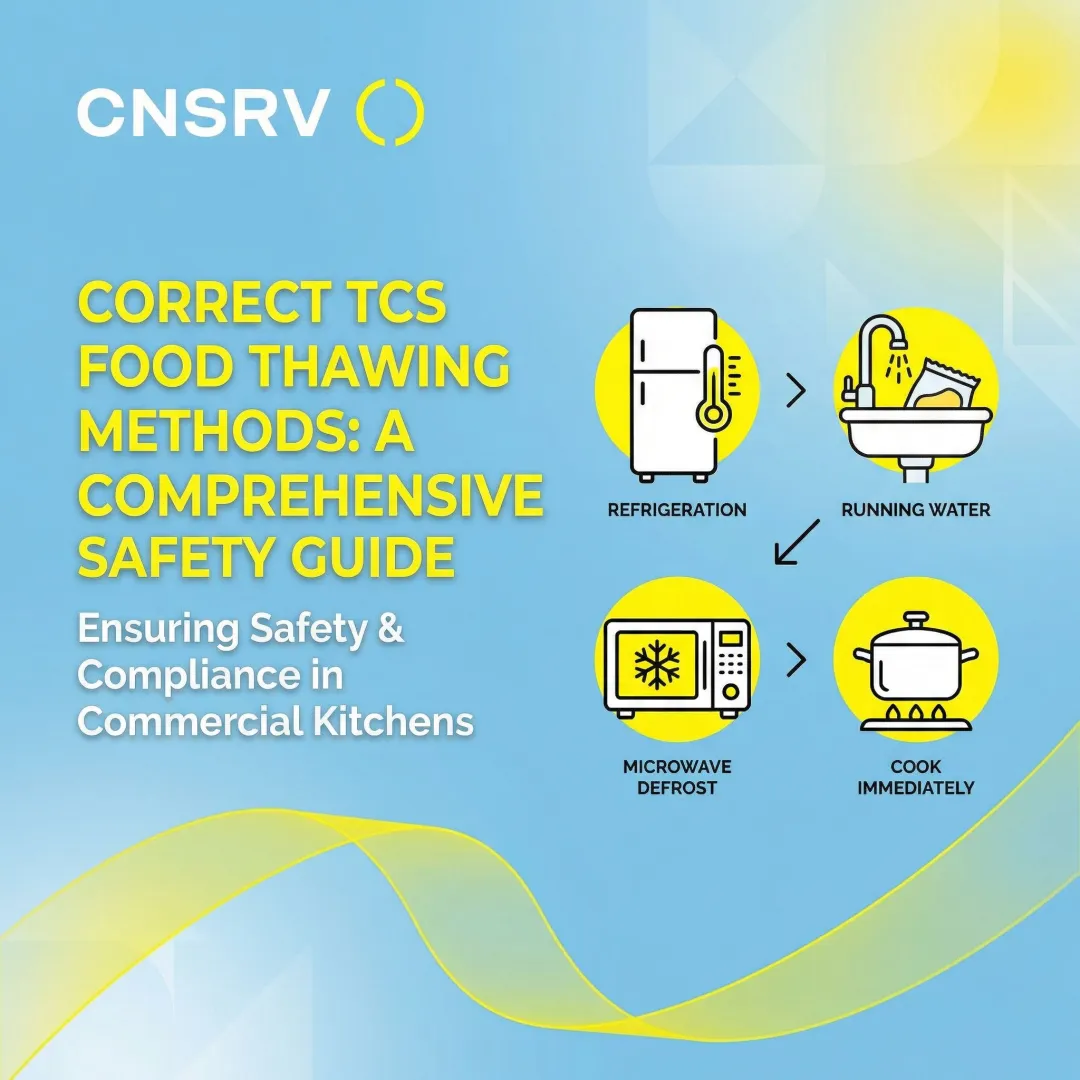
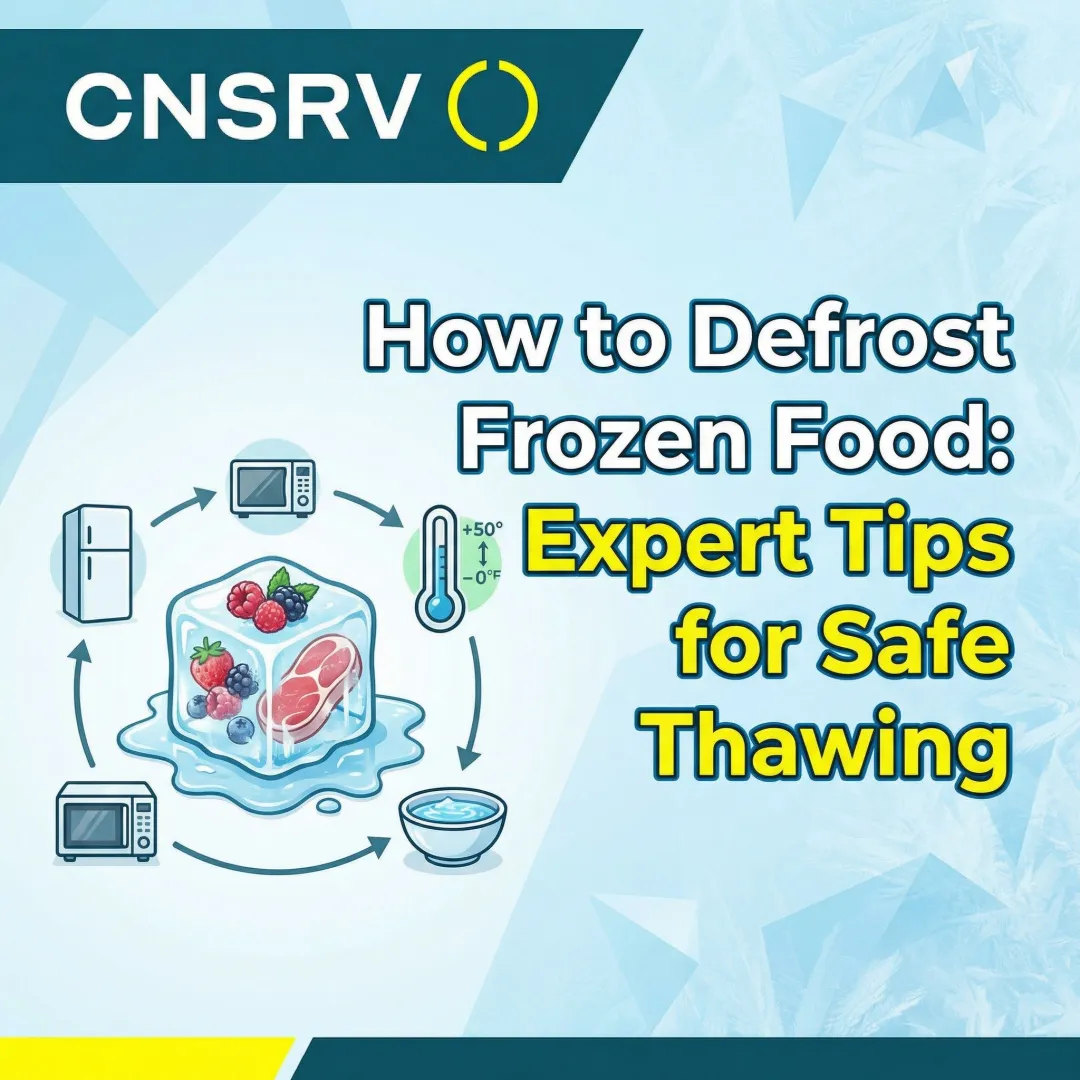
This article covers the four USDA-approved safe thawing methods, when to use each one, accurate time estimates, and the most common mistakes that put your food safety at risk.
TLDR
- Refrigerator thawing is the safest method, keeping food below 40°F (plan 24 hours per 5 pounds)
- Cold water thawing works faster but requires water changes every 30 minutes and immediate cooking
- Microwave thawing is quickest but creates uneven heating—cook immediately after
- Cooking from frozen eliminates thawing entirely, adding ~50% to normal cook times
Method 1: Refrigerator Thawing (The Safest Method)
Why This Method Works Best
Refrigerator thawing maintains food at a constant temperature of 40°F or below throughout the entire process, completely preventing bacterial growth.
This is the only method where temperature control is automatic and requires no monitoring.

Time Planning Requirements
Small items:
- Ground meat packages: 24 hours
- Chicken breasts: 24 hours
- Fish fillets: 24 hours
Large items:
- Whole turkey: 24 hours per 4-5 pounds
- Large roasts: 24 hours per 4-5 pounds
- 20-pound turkey: 4-5 days
Pro tip: Food takes longer to thaw in refrigerators set at 35°F compared to 40°F.
Mark your calendar or set phone reminders when placing food in the refrigerator.
Proper Placement Technique
- Place frozen food on a tray or rimmed pan to catch drips
- Position on the bottom shelf of your refrigerator
- Keep away from ready-to-eat foods to prevent cross-contamination
Once thawed in the refrigerator, plan to use food within these timeframes:
Post-Thaw Storage Windows
- Ground meat, poultry, and seafood: 1-2 days
- Red meat cuts (steaks, roasts): 3-5 days
Safe Refreezing Option
Refrigerator-thawed food is the only category that can be refrozen without cooking. While quality may decrease slightly due to moisture loss, it remains safe.

Method 2: Cold Water Thawing (The Faster Alternative)
How the Process Works
Cold water thawing accelerates the process while maintaining safety through continuous temperature control. This method requires active monitoring but delivers results much faster than refrigerator thawing.
Time estimates:
- 1-pound packages: 1 hour or less
- 3-4 pound packages: 2-3 hours
- Whole turkeys: 30 minutes per pound
Step-by-Step Requirements
- Ensure leak-proof packaging - Place food in sealed plastic bags if original packaging isn't waterproof
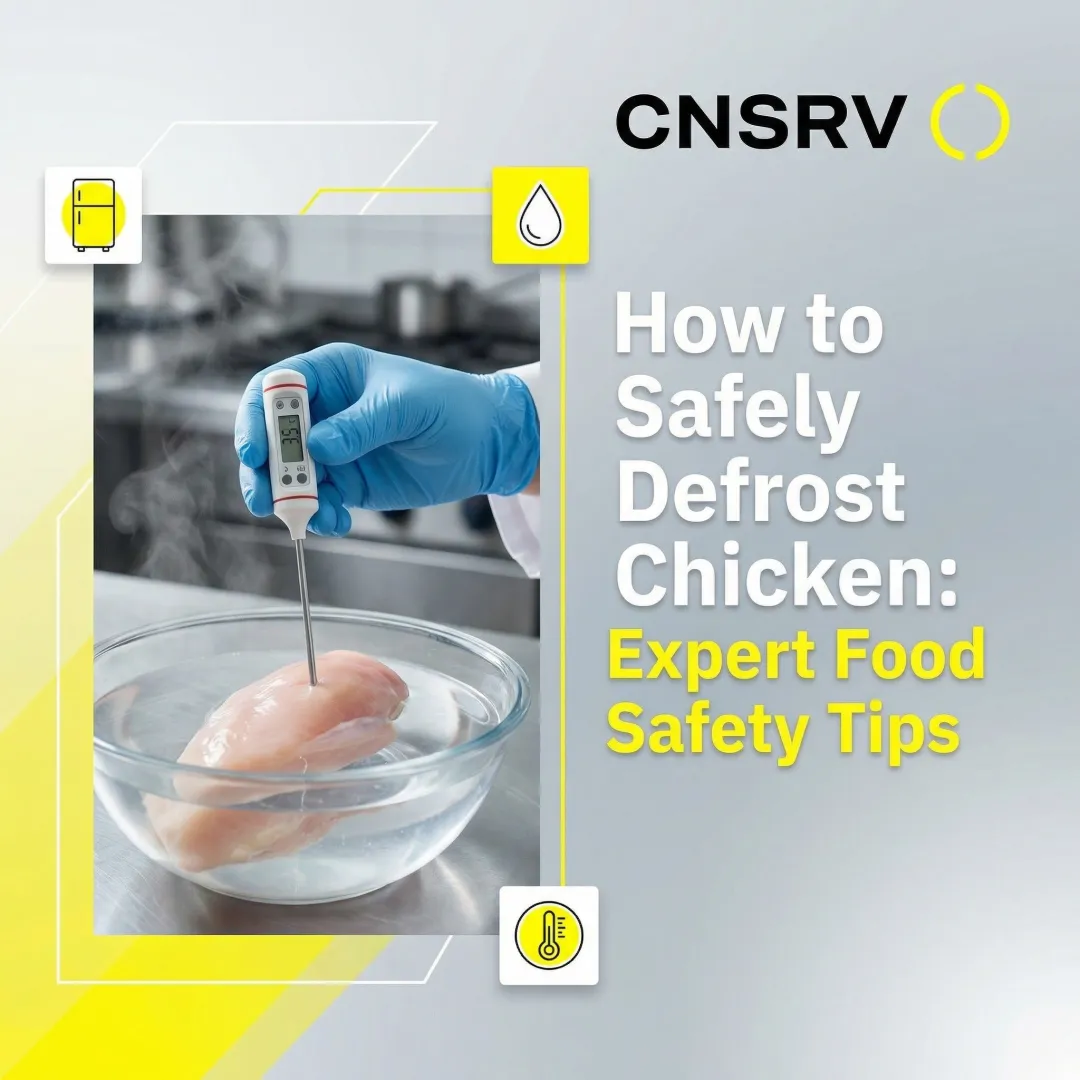
- Submerge in cold tap water (70°F or below)
- Change water every 30 minutes to maintain cold temperature
- Cook immediately after thawing completes
Why Packaging Matters
Leaking bags allow bacteria from the surrounding environment to contaminate the food.
Water absorption also degrades meat texture, creating a watery, lower-quality product.
Commercial Kitchen Alternative
For food service operations handling large volumes, traditional cold water thawing becomes labor-intensive and wasteful.
Commercial systems like CNSRV's DC:02 defrosting unit address these challenges by maintaining food safety while using 98% less water than running faucet methods. The system circulates water at 130 gallons per minute—10-30 times faster than standard faucets—creating uniform temperature distribution while completing thawing in half the time.
Critical Restrictions
- Food must be cooked immediately—no holding period allowed
- Cannot be refrozen without cooking first
- Never use warm or hot water, even if it seems faster
Method 3: Microwave Thawing (The Quick Option)
Microwave thawing averages 7-8 minutes per pound using the defrost setting. Always follow your microwave manufacturer's instructions for the specific size and type of food.
Understanding the Risks
The speed comes with a tradeoff. Microwaves create "hot spots" where some areas begin cooking while others remain frozen. These partially cooked sections can reach Danger Zone temperatures, creating ideal conditions for bacterial growth.
To minimize uneven heating:
- Cover food during thawing
- Rotate manually if your microwave lacks a turntable
- Stir or rearrange pieces halfway through
Mandatory Immediate Cooking
Food thawed in the microwave must be cooked immediately after thawing—whether by microwave, conventional oven, or grill. Never hold partially thawed food for later use.
Best Use Cases
Microwave thawing works best for:
- Smaller portions added to larger dishes
- Ingredients that will be fully cooked immediately after
- Last-minute meal preparation when time is critical
Refreezing note: Microwave-thawed food must be fully cooked before refreezing.
Method 4: Cooking from Frozen (No Thawing Required)
USDA Approval and Safety
It's completely safe to cook food directly from its frozen state without any thawing. This method skips the thawing step entirely, moving food directly through the Danger Zone during the cooking process.
Time Adjustment Formula
Cooking from frozen takes approximately 50% longer than the recommended time for thawed food.
Examples:
- Chicken breast normally cooks in 20 minutes → 30 minutes from frozen
- Ground beef browns in 10 minutes → 15 minutes from frozen
- Roast cooks in 2 hours → 3 hours from frozen
What Works Best
These extended cooking times work well for some foods but present challenges for others.
Ideal for cooking from frozen:
- Ground meat
- Chicken breasts
- Thin cuts of meat
- Fish fillets
- Individual portions
Less ideal:
- Large whole items (whole chickens, large roasts)
- Thick cuts that cook unevenly
Slow cookers and pressure cookers can handle larger frozen items like whole chickens, though cooking times will be significantly extended.
Temperature Verification
Always use a food thermometer to check internal temperature. Visual cues like browning can be misleading with frozen foods—the outside may look done while the inside remains undercooked.
Safe minimum internal temperatures include 165°F for poultry, 145°F for whole cuts of beef and pork, and 160°F for ground meats. Insert the thermometer into the thickest part of the food to ensure accurate readings.

When to Use Each Method
Your timeline, food type, and operational needs determine which thawing approach works best for your kitchen.
Refrigerator thawing works best when:
- You can plan 1-5 days ahead
- You want maximum food quality and safety
- You're thawing large items like whole turkeys
- You might need to refreeze without cooking
Choose cold water thawing if:
- You have 1-3 hours before service
- You're preparing same-day meals
- You can monitor and change water every 30 minutes
- You'll cook immediately after thawing
Microwave thawing makes sense when:
- You need food thawed in under 30 minutes
- You're adding thawed ingredients to cooked dishes
- You can cook immediately afterward
- You're working with smaller portions
Cook from frozen if:
- You have zero thawing time
- You're cooking smaller pieces or ground meat
- You're using slow cookers or pressure cookers
- You don't mind extended cooking times
Common Mistakes to Avoid
Never Thaw at Room Temperature
Leaving food anywhere above 40°F is dangerous—whether that's on the counter, in hot water, or in the garage. The outer layers thaw first and enter the Danger Zone while the center stays frozen.
This temperature gap creates the perfect conditions for bacterial growth.
Inadequate temperature control is a consistent contributing factor to foodborne illness outbreaks in the United States.
Don't Use Warm or Hot Water
Warm water might seem like a time-saver, but it creates serious safety risks:
- Outer layers enter the Danger Zone immediately
- Interior remains frozen for extended periods
- Temperature difference promotes rapid bacterial growth
- Uneven thawing compromises food quality
Avoid Improper Refreezing
Never refreeze:
- Food thawed by cold water method without cooking first
- Food thawed in the microwave without cooking first
- Food left at room temperature for over 2 hours (or 1 hour above 90°F)
Safe to refreeze:
- Food thawed in the refrigerator (though quality may decrease)
- Previously frozen food that's been cooked
Frequently Asked Questions
What is the correct way to thaw food?
The four safe methods are refrigerator thawing, cold water thawing, microwave thawing, or cooking directly from frozen. Refrigerator thawing is the safest and most recommended by the USDA.
Is thawing in the sink safe?
Thawing under cold running water (70°F or below) is safe if done properly with water changes every 30 minutes. Commercial kitchens can use water-efficient defrosting systems that maintain safe temperatures while reducing water waste by up to 98%.
Can I refreeze food after thawing?
Food thawed in the refrigerator can be refrozen without cooking, but food thawed by cold water or microwave must be cooked before refreezing.
How long does it take to thaw a turkey in the refrigerator?
Allow 24 hours per 4-5 pounds of weight. A 15-pound turkey needs 3 days, while a 20-pound turkey requires 4-5 days.
Why is thawing food on the counter dangerous?
The outer layers reach the Danger Zone (40-140°F) while the center stays frozen, allowing bacteria to multiply rapidly for hours. Some bacteria produce toxins that survive cooking.
What is the temperature danger zone for food?
The Danger Zone is 40-140°F, where bacteria multiply rapidly, doubling every 20 minutes and potentially causing foodborne illness.