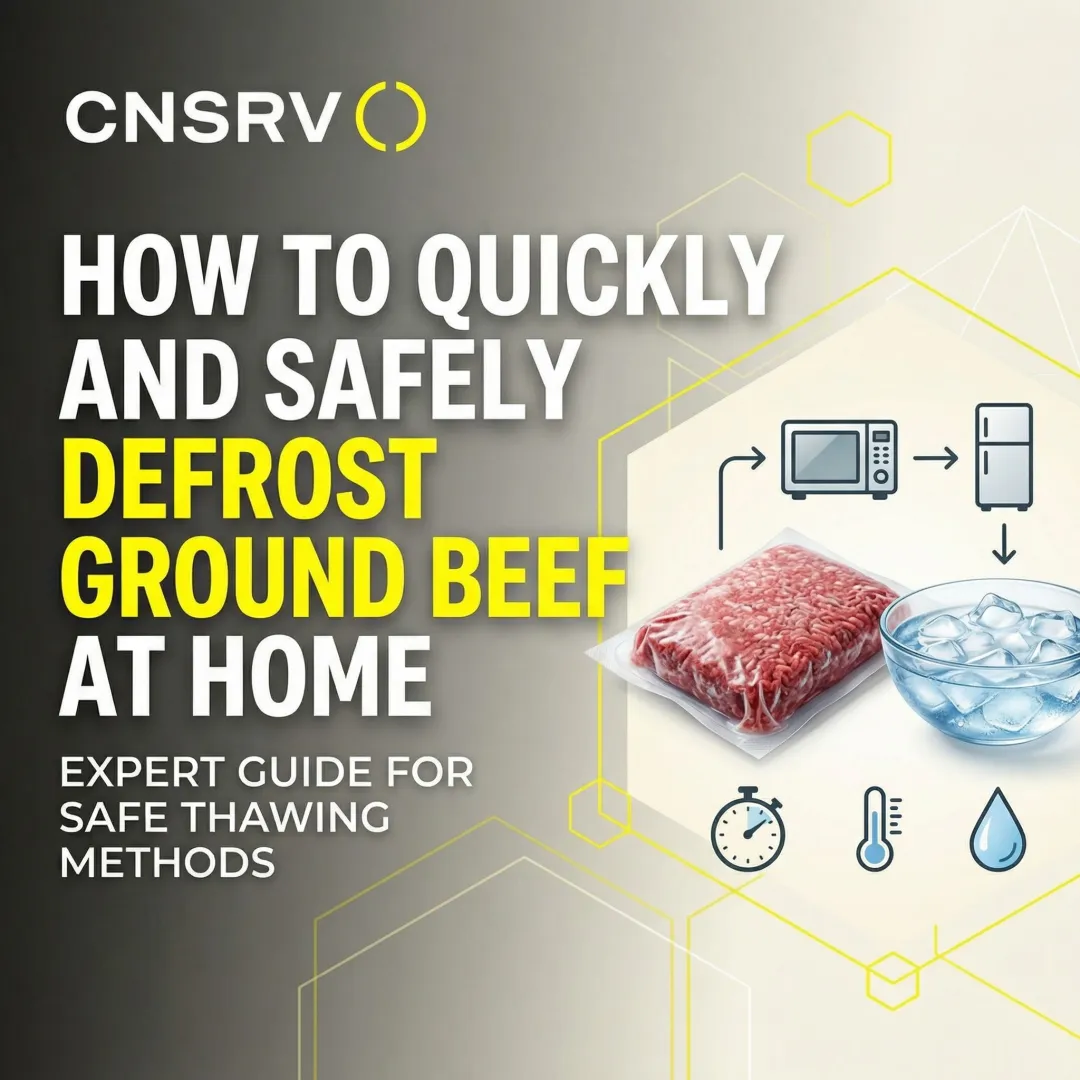
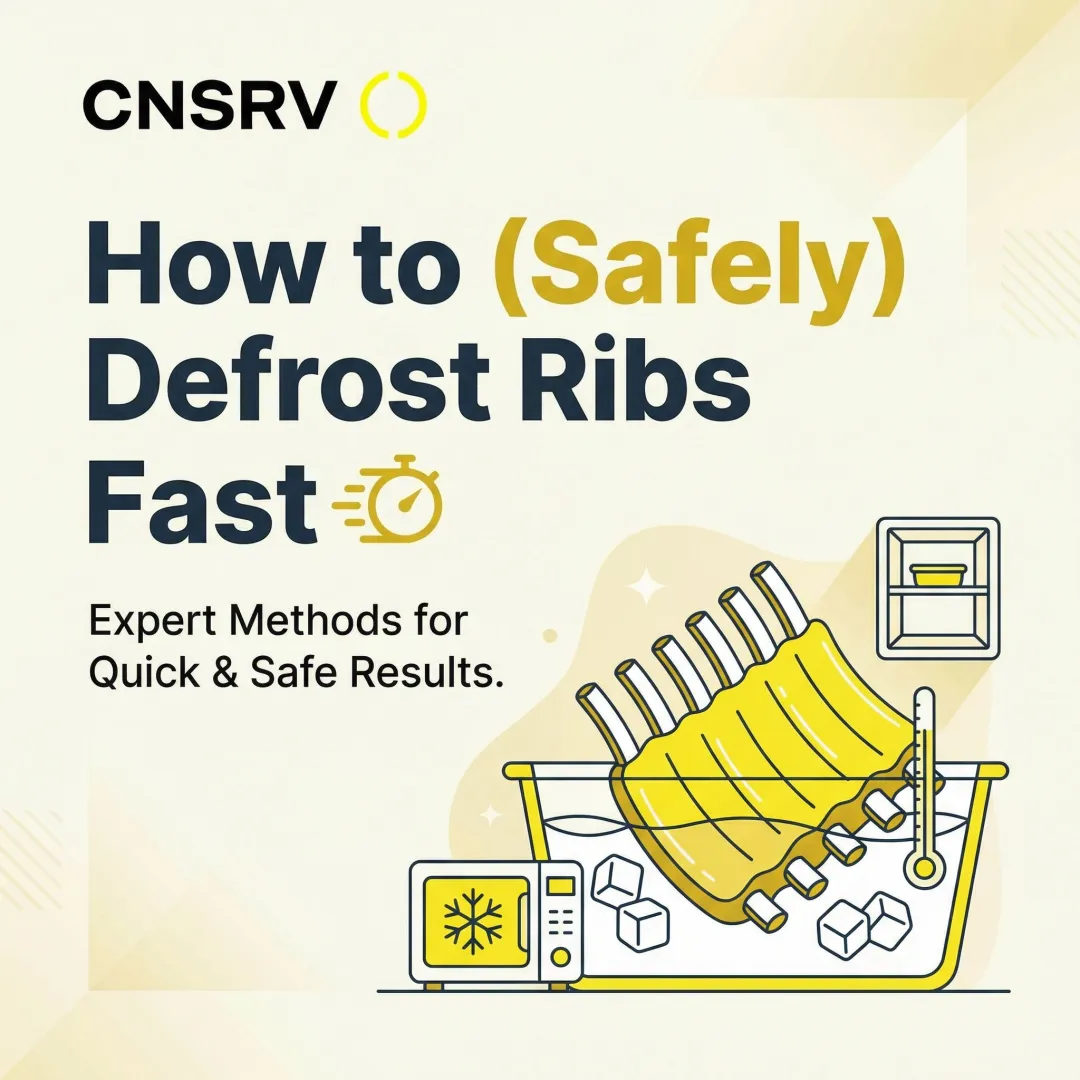
This guide walks you through the three USDA-approved methods for safely defrosting sausages, explaining exactly when to use each approach and what mistakes to avoid.
TL;DR
- Refrigerator defrosting takes 6-24 hours but is safest
- Cold water bath defrosts in 30-60 minutes (must stay sealed)
- Microwave defrosting works in 3-5 minutes for immediate cooking
- Never defrost at room temperature—bacteria multiply rapidly
- Cook water or microwave-thawed sausages immediately
- Refrigerator-thawed sausages stay safe for 1-2 days before cooking
- Properly defrosted sausages feel soft with no ice crystals
Method 1: Refrigerator Defrosting (The Safest Method)
The USDA recommends refrigerator defrosting as the best approach because it keeps sausages at safe temperatures throughout the entire process, preventing bacterial growth that can cause foodborne illness.
Here's how to do it properly:
Step-by-Step Process
Setup
- Keep sausages in their original packaging or transfer to a sealed plastic bag
- Place the package on a plate on the bottom shelf of your refrigerator
- This catches any drips and prevents cross-contamination with other foods
Temperature Requirements
Your refrigerator must be set at 40°F or below to maintain food safety. This temperature threshold prevents bacteria from multiplying while the sausages slowly thaw.
Time Estimates
- Thin breakfast links: 6 hours minimum
- Standard sausages: 8-12 hours (overnight)
- Thick or bulk sausages: Up to 24 hours

Pros and Cons
Advantages:
- Safest method with zero risk of bacterial growth
- Maintains best texture and flavor quality
- Allows 1-2 day refrigerated storage after thawing
- Requires no active monitoring or effort
Disadvantages:
- Requires advance planning (slowest method)
- Takes up refrigerator space for extended periods
Method 2: Cold Water Bath Defrosting (The Faster Method)
The cold water method offers a middle ground—significantly faster than refrigerator thawing but safer than microwave defrosting. It's ideal when you need sausages ready within an hour.
Step-by-Step Process
Critical first step:Sausages must be in watertight packaging (original sealed package or leak-proof plastic bag). Direct water contact can waterlog the meat and spread bacteria to surrounding surfaces.
Defrosting procedure:
- Fill a large bowl with cold tap water (never warm or hot)
- Place the sealed sausage package completely in the water
- Place a plate on top to keep sausages submerged
- Change the water every 30 minutes if defrosting takes longer
Time estimates:
- Thin links: 30 minutes
- Standard links: 45-60 minutes

Why cold water only:Hot water is dangerous because it brings the surface into the Danger Zone (40-140°F) where bacteria multiply rapidly, even while the center remains frozen.
When to Use This Method
Understanding the trade-offs helps you decide when cold water defrosting makes sense.
Best for:
- Last-minute meal prep (need sausages within the hour)
- Maintaining texture and quality
- Small to medium batches
Keep in mind:
- Requires active monitoring and water changes
- Uses more water than refrigerator method
- Sausages must be cooked immediately after thawing
Note for food service operations:Commercial kitchens using traditional running-water defrosting can waste up to 1,000,000 gallons annually. Closed-loop circulation systems exist that reduce defrost time while using 98% less water, though these are designed for high-volume operations rather than home use.
Method 3: Microwave Defrosting (The Quickest Method)
Microwave defrosting is the fastest option but requires the most attention. Uneven heating can partially cook edges while centers stay frozen, affecting both texture and safety.
Step-by-Step Process
Preparation:
- Remove any metal ties or packaging with metallic elements
- Place sausages on a microwave-safe plate with space between them
- This spacing ensures even defrosting
Defrosting procedure:
- Use the defrost setting (or 30-50% power)
- Start with 2-3 minutes for a standard package
- Check and separate any stuck-together sausages
- Continue in 1-minute intervals, rotating sausages after each
- Check for cold spots by touching different areas
- Stop when sausages feel soft but still cold to touch

Critical Safety Note
Because microwaves create uneven heating patterns during defrosting, immediate cooking is essential.
According to the USDA's microwave cooking guidelines, sausages must be cooked immediately after microwave defrosting. Some areas may have reached temperatures where bacteria can grow, bringing them into the Danger Zone.
Any bacteria present in these warmed areas won't be destroyed unless you cook the sausages right away.
How to Tell When Sausages Are Fully Defrosted
Visual and tactile tests:
- Sausages should be soft throughout with no hard or icy spots
- No ice crystals should be visible on the surface
- Casings should be pliable, not rigid
Press test:Gently press the center of the sausage. It should give easily without any firm frozen core—similar to pressing a fresh sausage from the refrigerator case.
Why this matters:Cooking partially frozen sausages creates two problems:
- Quality issues: Burnt exteriors with dry, tough texture
- Safety concerns: Raw centers that don't reach safe internal temperatures
Uneven defrosting leads to uneven cooking, which wastes product and poses health risks.
Once fully defrosted, cook sausages immediately or refrigerate for up to 24 hours. For commercial kitchens handling high volumes, automated defrosting systems like CNSRV's water-circulation technology eliminate manual testing by maintaining consistent thaw conditions across multiple products.
Common Mistakes When Defrosting Sausages
Defrosting at Room Temperature or with Hot Water
The Danger Zone (40-140°F) is where bacteria like Salmonella and E. coli multiply rapidly—doubling every 20 minutes.
Room temperature defrosting allows the outer layers to enter this zone while the center remains frozen, creating ideal conditions for bacterial growth that can cause serious foodborne illness.
Refreezing Improperly
You CAN refreeze:
- Sausages defrosted in the refrigerator (if not left out more than 2 days)
You CANNOT refreeze:
- Sausages defrosted by microwave or water bath unless cooked first
The reasoning: Refrigerator-thawed sausages never entered the Danger Zone, so bacterial growth remained minimal.
Water bath and microwave methods may have allowed some areas to warm up, so cooking is required before refreezing to destroy any bacteria.

Ignoring Packaging
FDA guidelines on preventing cross-contamination emphasize that defrosting without sealed packaging allows juices to drip onto other foods and surfaces, spreading harmful bacteria.
Always keep sausages in leak-proof packaging during the entire defrosting process.
Frequently Asked Questions
Can I cook sausages directly from frozen without defrosting?
Yes, it's safe to cook frozen sausages, but they'll require 50% longer cooking time. Even cooking is harder to achieve, so monitor internal temperatures closely to prevent burning the exterior.
Which defrosting method is best for food safety?
The refrigerator method is safest per USDA guidelines, followed by cold water bath, then microwave. Refrigerator thawing maintains safe temperatures throughout, while other methods require immediate cooking.
How long can I keep sausages in the fridge after defrosting?
Refrigerator-thawed sausages last 1-2 days before cooking. Sausages defrosted by water bath or microwave must be cooked immediately.
Can I refreeze sausages after defrosting them?
Yes, if defrosted in the refrigerator and not left out more than 2 days. No, if defrosted by water bath or microwave—these sausages must be cooked before refreezing to ensure food safety.
What internal temperature should sausages reach when cooked?
Ground pork, beef, and lamb sausages must reach 160°F per USDA guidelines, while all poultry sausages must reach 165°F. Always use a food thermometer inserted into the thickest part to verify safe temperatures.
Why are my sausages stuck together when frozen?
Run the package under cold water briefly until links separate, then proceed with your chosen method. Alternatively, microwave on low power in 30-second bursts until separated.