While speed matters when you're racing the clock, safety cannot be compromised. Improper defrosting allows bacteria like E. coli and Salmonella to multiply rapidly, potentially causing serious foodborne illness even if you cook the ribs thoroughly afterward.
This guide covers the three USDA-approved defrosting methods, compares their speed and safety profiles, explains how to verify ribs are fully defrosted, and answers whether you can skip defrosting entirely and cook from frozen.
TL;DR
- Refrigerator thawing takes 24-48 hours but keeps ribs safest and maintains best texture
- Need ribs today? Cold water thawing gets them ready in 2-3 hours without compromising safety
- Microwave defrosting saves time (30-45 minutes) but causes uneven thawing—cook immediately after
- Skip room temperature and hot water methods—both create dangerous bacteria growth
- Cooking ribs from frozen is safe but takes 50% longer than defrosting first
3 Safe Methods to Defrost Ribs
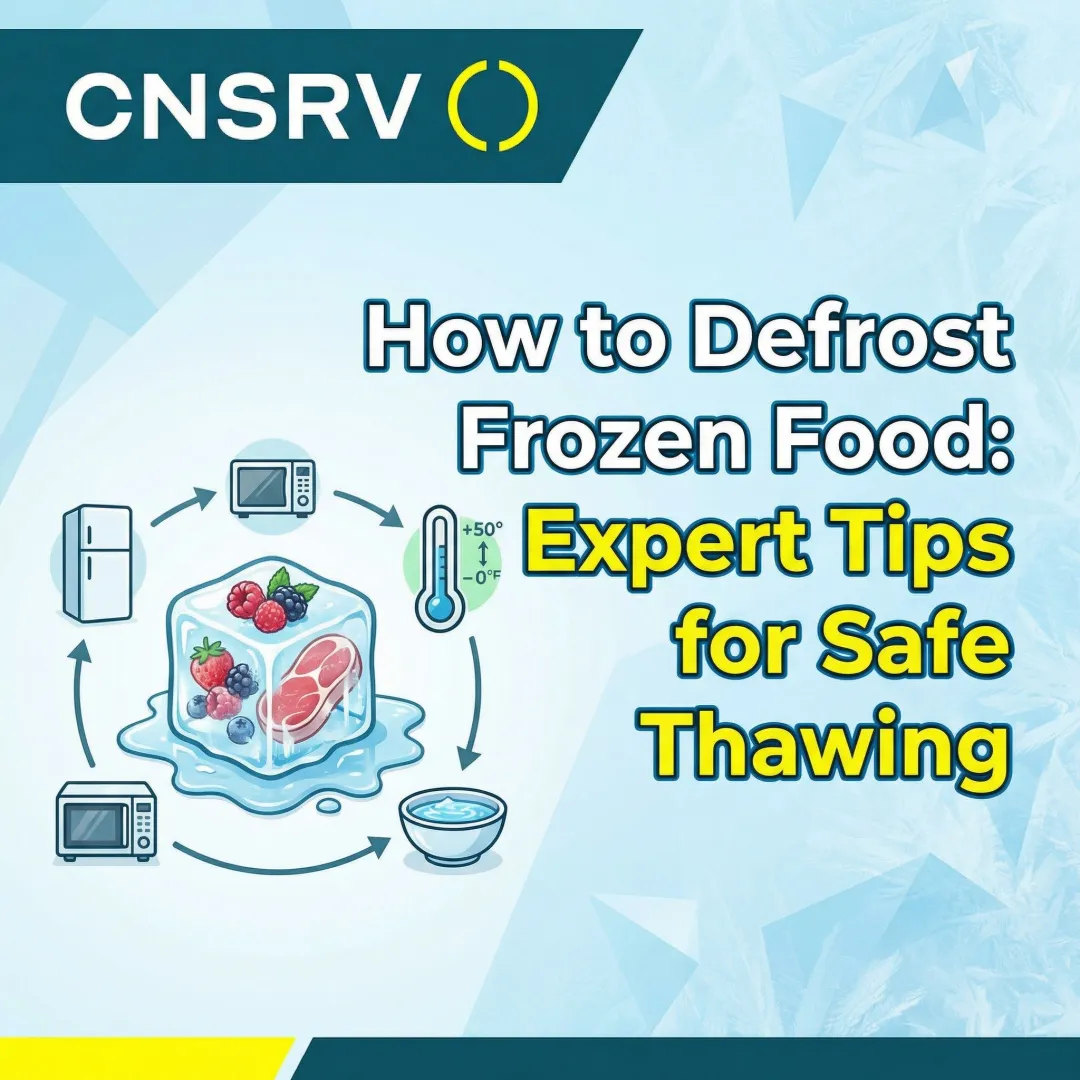
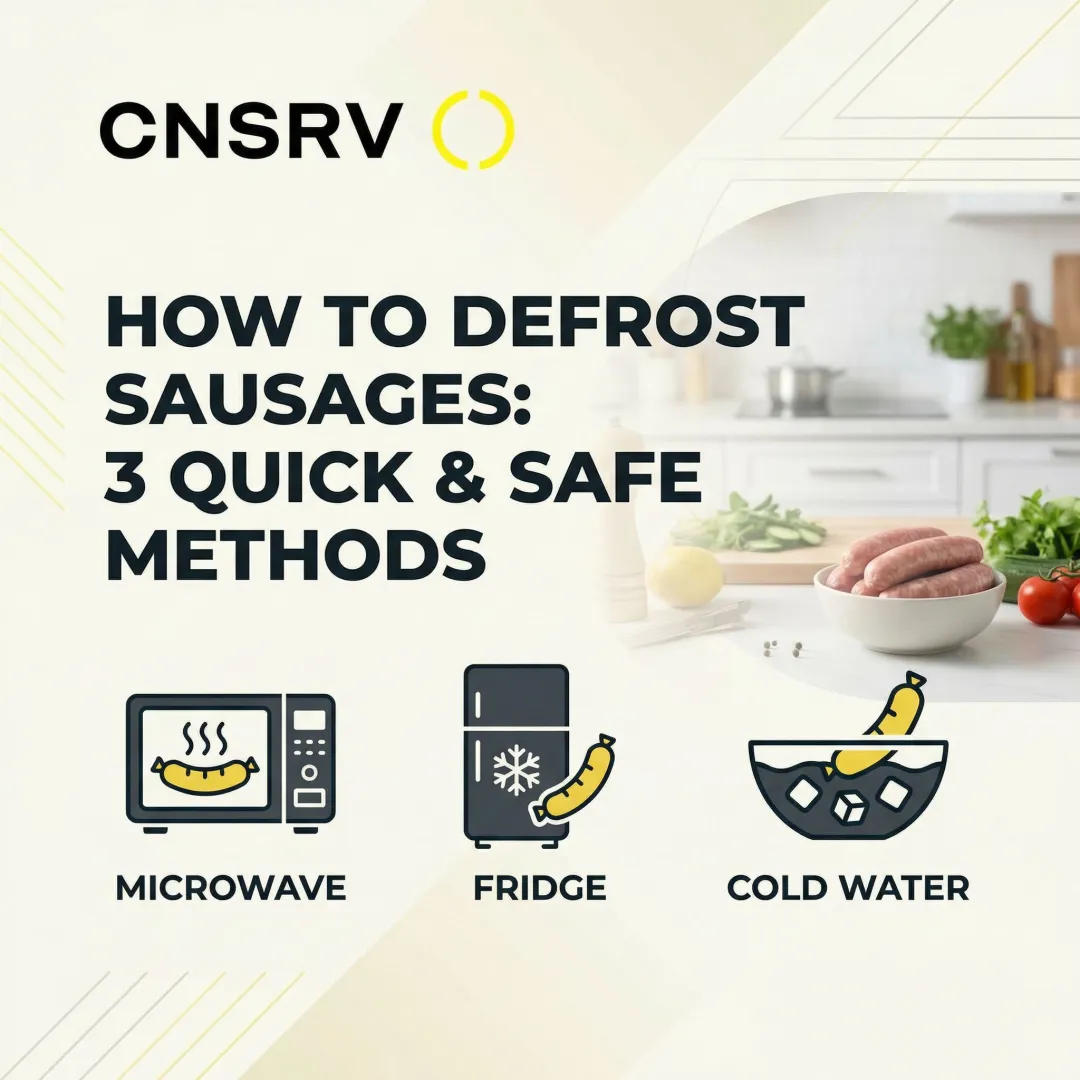
The USDA Food Safety and Inspection Service approves only three methods for safely thawing meat at home. All other approaches—including leaving ribs on the counter or using hot water—are considered unsafe because they allow bacteria to multiply at dangerous rates.
Refrigerator Method (Safest, Best Quality)
This method takes 24-48 hours depending on rib thickness but keeps meat consistently below 40°F throughout the entire process, preventing bacterial growth.
Process:
- Place ribs in a leak-proof container or on a plate to catch any drips
- Position on the lowest refrigerator shelf to prevent cross-contamination with other foods
- Allow 24 hours for baby back ribs (typically 2-3 lbs per rack)
- Allow 48 hours for spare ribs or beef ribs (typically 3-5 lbs per rack)

According to the USDA, refrigerator thawing requires approximately 24 hours for every 5 pounds of meat. The major advantage? Ribs defrosted this way remain safe for an additional 3-5 days in the refrigerator before cooking, giving you flexibility if plans change.
Quality benefits: This method preserves texture and moisture better than any other approach. The slow, even thawing prevents ice crystal damage to muscle fibers that can make ribs tough or dry.
Cold Water Method (Fast & Safe)
This method takes 2-3 hours and requires active monitoring to maintain safe temperatures, but it's ideal when you need ribs defrosted the same day.
Process:
- Seal ribs in a leak-proof plastic bag (if not already vacuum-sealed)
- Submerge completely in cold tap water in a clean sink or large container
- Change water every 30 minutes to keep it cold and maintain thawing effectiveness
- Cook immediately after thawing
The USDA estimates approximately 30 minutes of cold water thawing per pound of meat. For a typical 3-4 lb rack of ribs, expect 2-3 hours total thawing time.

Critical requirement: The water must stay cold. As water warms up, it loses defrosting effectiveness and can allow surface temperatures to rise into the unsafe 40-140°F "Danger Zone."
Bacteria can double every 20 minutes in this temperature range, making temperature control essential throughout the process.
Microwave Method (Fastest, Most Risky)
This is the fastest option at 30-45 minutes, but it carries significant quality and safety risks that make it a last-resort choice.
Process:
- Remove ribs from packaging and place on a microwave-safe dish
- Use the defrost setting or 30% power level
- Rotate and flip ribs every 10 minutes for even thawing
- Cook immediately after defrosting completes
Why it's risky: Microwaves heat unevenly. Some areas may enter the Danger Zone (40-140°F) or even begin cooking while other sections remain frozen.
The USDA explicitly warns that foods thawed in the microwave must be cooked immediately to prevent bacterial growth in the warmed portions.
Quality trade-off: Microwave defrosting often creates dry spots and uneven texture, especially in bone-in cuts like ribs where bones heat faster than surrounding meat.
Which Defrosting Method is Fastest?
Time comparison:
- Microwave: 30-45 minutes
- Cold water: 2-3 hours
- Refrigerator: 24-48 hours
Speed isn't everything. Each method trades time for quality differently:
Quality rankings:
- Best quality: Refrigerator (preserves texture and moisture)
- Good compromise: Cold water (minimal quality loss with reasonable speed)
- Lowest quality: Microwave (can create dry spots and uneven texture)
Choose your method based on timing:
| Method | Best When You Have | Quality Trade-off |
|---|---|---|
| Refrigerator | 1-2 days advance notice | None—best texture and flavor |
| Cold water | 2-3 hours same-day | Minimal quality loss |
| Microwave | Under 1 hour (emergency) | Dry spots and uneven texture |

For commercial kitchens defrosting ribs daily, cold water offers the best balance of speed and quality. Planning ahead with refrigerator thawing eliminates quality compromise entirely.
How to Tell When Ribs Are Fully Defrosted
Cooking partially frozen ribs leads to uneven results—some portions overcook while others remain undercooked. Use these three tests to verify complete thawing:
Touch test:
- Press the meat with your finger
- Fully defrosted ribs should feel uniformly soft with no hard or icy spots
- The meat should have some give when pressed, not feel rigid or frozen in any area
Bend test:
- Pick up the rack by one end
- A fully defrosted rack should bend slightly without cracking or feeling stiff
- You should be able to separate individual ribs without force. If they're still stuck together rigidly, ice remains between them
Temperature check:
- Insert a meat thermometer into the thickest part
- Defrosted ribs should register around 35-40°F (refrigerator temperature), not 0°F (frozen)

Common Mistakes When Defrosting Ribs
Defrosting at Room Temperature or in Hot Water
This is the most dangerous mistake. Room temperature (68-72°F) sits squarely in the Danger Zone where harmful bacteria grow quickly.
Hot water is even worse. It creates a scenario where outer layers reach unsafe temperatures while the center remains frozen.
The USDA is clear: as soon as meat begins to thaw and becomes warmer than 40°F, bacteria present before freezing can begin to multiply. This bacterial growth can cause foodborne illness even if ribs are cooked thoroughly afterward.
Changing Water Too Infrequently
During cold water thawing, water gradually warms up as it absorbs cold from the frozen meat. This creates two problems:
- Warm water loses defrosting effectiveness
- Surface temperatures rise into unsafe ranges
The fix: Change water every 30 minutes without exception. Set a timer to stay on schedule.
Refreezing Thawed Ribs Without Cooking First
Whether you can safely refreeze depends entirely on the defrosting method used:
- Refrigerator-thawed ribs: Can be safely refrozen within 3-5 days without cooking, though quality will suffer with each freeze-thaw cycle
- Cold water or microwave-thawed ribs: Must be cooked before refreezing
The reason? Cold water and microwave methods may allow portions to briefly reach temperatures above 40°F, potentially allowing bacterial growth that refreezing won't eliminate.
Can You Cook Ribs From Frozen?
Yes, you can safely cook ribs directly from frozen—though it requires adjusting your cooking approach.
Time adjustment: Cooking from frozen takes approximately 50% longer than cooking defrosted ribs. If your recipe calls for 3 hours of cooking, plan for 4.5 hours when starting from frozen.
Temperature adjustment: Increase cooking temperature slightly to compensate—use 275°F instead of 225°F for smoking, or 325°F instead of 300°F for oven-roasting.
Method considerations: Frozen ribs work best with:
- Braising: The liquid environment ensures even heating
- Slow-roasting: Extended cooking time allows gradual, even thawing and cooking
- Smoking: Low-and-slow methods accommodate the extra time needed
Temperature Monitoring
Frozen ribs may cook unevenly, with exterior portions reaching safe temperatures before the interior. Always check doneness with these steps:
- Insert a meat thermometer into the thickest part of the ribs
- Verify internal temperature reaches 145°F with a 3-minute rest
- Check multiple spots if ribs seem unevenly cooked
When this makes sense: Cooking from frozen works well in emergency situations when you forgot to defrost, or when using cooking methods that naturally accommodate longer times like braising or slow-smoking.
Frequently Asked Questions
Can you defrost ribs at room temperature?
No. Room temperature (68-72°F) falls within the Danger Zone where bacteria like E. coli and Salmonella multiply rapidly. Even thorough cooking afterward may not eliminate all toxins produced by bacteria.
How long do ribs take to defrost in the fridge?
Baby back ribs typically take 24 hours while larger spare ribs or beef ribs need 36-48 hours. Allow extra time to ensure complete defrosting throughout the rack.
Is it safe to defrost ribs in hot water?
No. Hot water pushes outer layers above 40°F while the center stays frozen, promoting bacterial growth on the surface. Always use cold water and change it every 30 minutes.
How do you know when ribs are fully defrosted?
Use the touch test (no hard spots) and bend test (rack flexes slightly). A meat thermometer in the thickest part should read 35-40°F, not 0°F.
Can you refreeze ribs after defrosting?
Ribs defrosted in the fridge can be refrozen within 3-5 days without cooking, though quality suffers. Ribs defrosted by cold water or microwave must be cooked before refreezing.
What happens if you cook partially frozen ribs?
Partially frozen ribs cook unevenly—defrosted portions overcook and dry out while frozen sections stay undercooked, potentially failing to reach 145°F throughout. Always verify complete thawing before cooking.