Introduction
You're ready to start dinner when you remember—the ground beef is still rock-solid in the freezer. This common dilemma forces a quick decision between speed and safety. Many home cooks resort to shortcuts like countertop thawing or hot water baths, unaware these methods create ideal conditions for bacterial growth.
The defrosting method you choose directly impacts three critical factors: food safety, meat quality, and cooking results.
According to the USDA Food Safety and Inspection Service, bacteria can double every 20 minutes when meat sits in the "Danger Zone" between 40°F and 140°F. Ground beef is particularly vulnerable because grinding distributes surface bacteria throughout the meat.
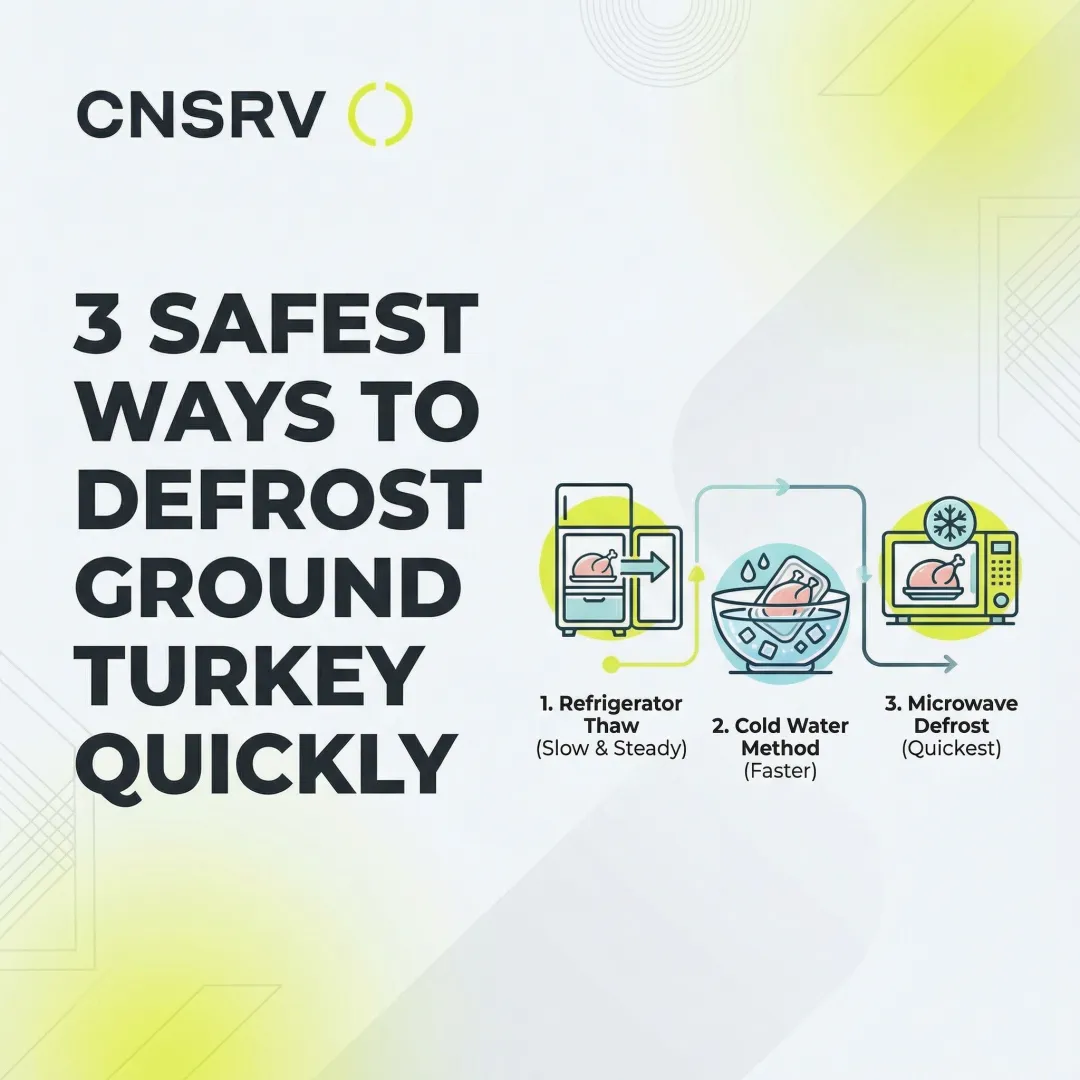
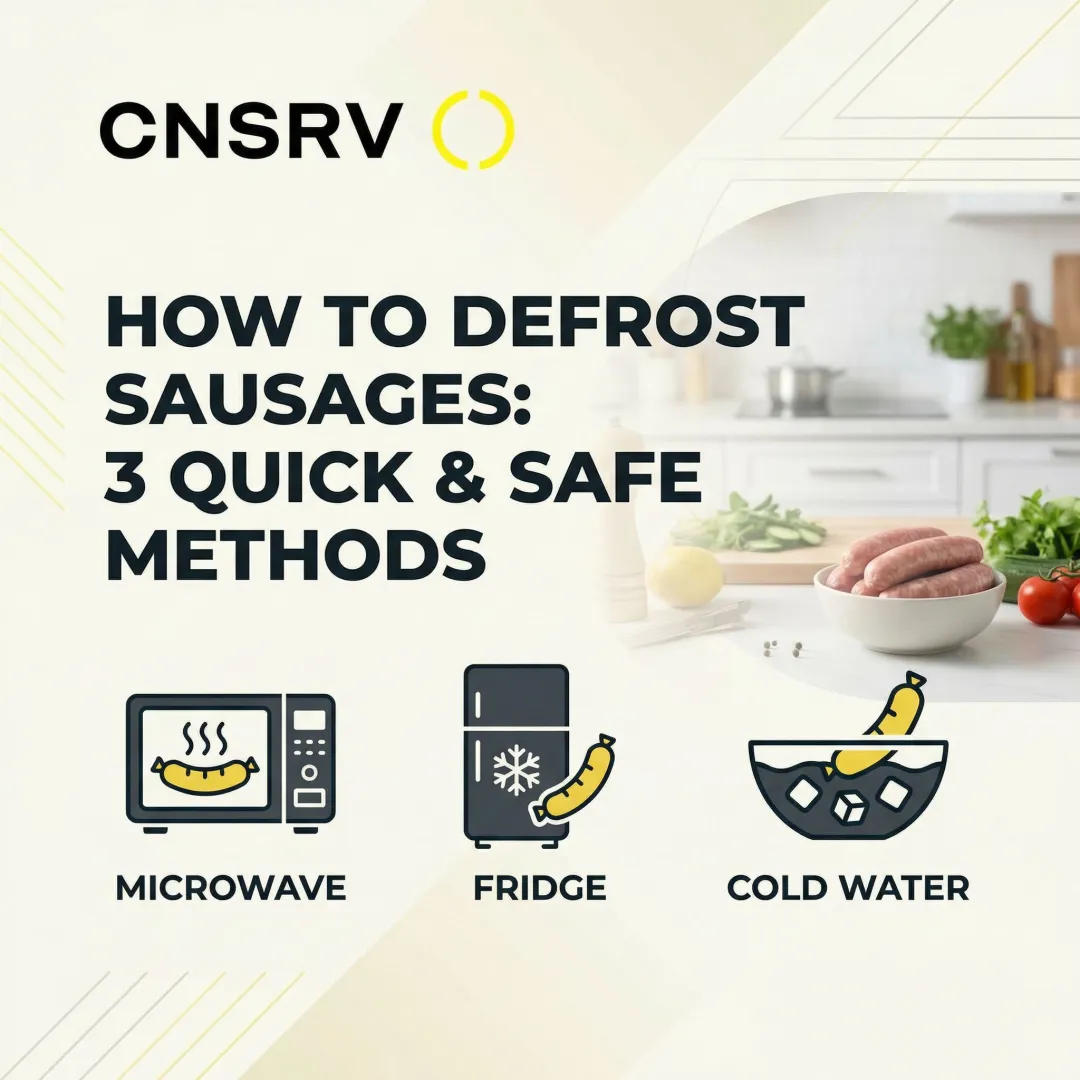
This guide breaks down the three USDA-approved defrosting methods—refrigerator, cold water bath, and microwave—with specific timing, safety protocols, and quality outcomes for each.
TL;DR
- Refrigerator method (24 hours): best texture and moisture retention
- Cold water bath (1-2 hours): optimal speed-safety balance
- Microwave (8-10 minutes): fastest option but requires immediate cooking
- Counter thawing creates dangerous bacteria growth before center defrosts
Refrigerator Defrosting Method: The Safest Approach
Why Refrigerators Win for Safety
The refrigerator method is the only USDA-recommended approach that maintains meat at a constant safe temperature throughout the entire thawing process. By keeping ground beef at 40°F or below, this method prevents bacterial activation and multiplication that would otherwise occur in warmer conditions.
Step-by-Step Instructions
What you'll need:
- Frozen ground beef in original packaging
- Plate or shallow container with raised edges
- Bottom shelf of your refrigerator
Process:
- Place the frozen package on a plate or in a container to catch any moisture
- Position on the lowest refrigerator shelf (coldest zone, and prevents drips onto other foods)
- Allow 24 hours for every pound of ground beef
- Check that meat is completely thawed before cooking

Quality Benefits You'll Notice
Refrigerator thawing delivers noticeably better results than faster methods. Research shows this approach results in significantly lower moisture loss compared to microwave or room temperature thawing.
The slow, even temperature change minimizes structural damage to muscle fibers, preserving the texture you'd expect from fresh ground beef. The meat maintains better color retention and flavor. The meat maintains its original red color rather than developing the grayish tones that can appear with rapid thawing.
The Planning Advantage
Unlike other methods, refrigerator-thawed beef stays safe for 1-2 additional days before cooking. This flexibility means you can transfer meat from freezer to fridge on Sunday evening and use it anytime through Tuesday dinner without safety concerns.
Pro tip: If you meal plan weekly, move frozen ground beef to the refrigerator 1-2 days before you need it. This eliminates the "forgot to defrost" problem entirely—a planning approach that commercial kitchens have mastered to maintain consistent food quality and safety.
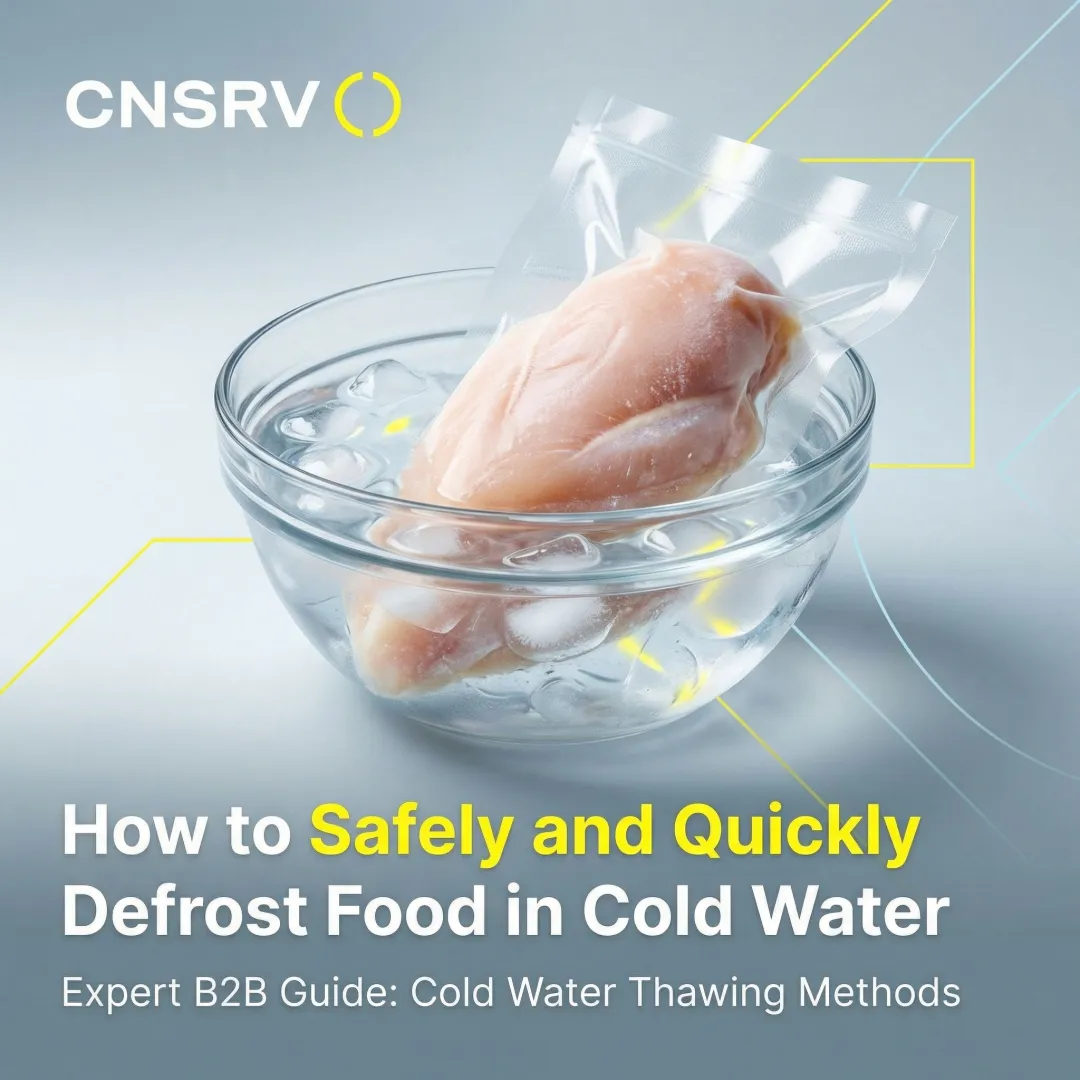
Cold Water Bath Method: Fast and Safe
When This Method Makes Sense
The cold water bath offers the best compromise when you need ground beef within 1-3 hours but can't sacrifice safety. It's faster than refrigerator thawing while maintaining the temperature control necessary to prevent bacterial growth.
Detailed Step-by-Step Process
Requirements:
- Frozen ground beef in sealed original packaging or leak-proof plastic bag
- Large bowl or clean sink
- Cold tap water
- Timer
Instructions:
- Check that packaging is completely sealed (no tears or openings)
- If packaging is damaged, transfer beef to a leak-proof plastic bag and seal tightly
- Fill a bowl or plugged sink with cold tap water
- Submerge the package completely
- Set a timer for 30 minutes
- After 30 minutes, drain and replace with fresh cold water
- Repeat water changes every 30 minutes until fully thawed

Critical Safety Rule: Temperature Matters
Never use warm or hot water. The USDA explicitly warns against this practice because it brings the meat's surface into the Danger Zone (above 40°F) while the center remains frozen.
This creates the exact temperature gradient where bacteria multiply rapidly—warm enough to activate growth, but not hot enough to kill pathogens.
The 30-minute water change requirement isn't arbitrary. As the water absorbs cold from the frozen meat, it warms slightly. Fresh cold water maintains the temperature differential needed for continued safe thawing.
Timing Benchmarks
- 1 pound package: Approximately 1 hour
- 2 pound package: 1.5-2 hours
- 3-4 pound package: 2-3 hours
Immediate Cooking Requirement
Ground beef thawed by cold water bath must be cooked immediately after thawing. Don't refrigerate it for later use, and don't refreeze it raw. The active management required during thawing means the meat has been in conditions where bacterial growth could begin if not cooked promptly.
Microwave Defrosting Method: When Speed is Critical
The Emergency-Only Approach
Microwave defrosting makes sense in exactly one scenario: you need ground beef ready to cook in under 15 minutes and have no other option. It's the fastest method but comes with significant quality and safety trade-offs.
Specific Microwave Instructions
Settings and technique:
- Remove ground beef from packaging and place in a microwave-safe dish
- Select the "defrost" setting (typically 30% power)
- Enter the weight if your microwave prompts for it
- Start with 2-3 minutes
- Stop and check—rotate the package 180 degrees
- Scrape off any portions that have thawed and set aside
- Continue defrosting the remaining frozen portion
- Repeat in 2-3 minute intervals until mostly thawed but still cold

The Hot Spot Problem
Microwaves create uneven heating patterns that result in "hot spots"—areas where temperatures rise into the Danger Zone or even begin cooking while other sections remain frozen.
These warm areas allow bacteria to survive or multiply if the meat isn't cooked immediately. The rotation and scraping technique helps manage this issue by removing thawed portions before they overheat, but it can't eliminate the problem entirely.
Non-Negotiable Safety Requirement
Because of these hot spots, cook immediately. Not in 30 minutes. Not after you prep other ingredients. Immediately. Some portions may have reached temperatures where bacteria multiply rapidly, making any delay a food safety risk.
Quality Trade-offs
Beyond safety concerns, this method affects the final product.
Research indicates microwave thawing results in greater moisture loss and texture changes compared to other methods. You may notice:
- Slightly gray or brown patches on the surface
- Drier, less juicy cooked results
- Slightly tougher texture after cooking
- Some portions that are partially cooked before you start
For recipes where texture matters—like meatballs or burgers—this method delivers noticeably inferior results compared to refrigerator or cold water thawing.
When to Use Each Defrosting Method
Decision Framework by Available Time
24+ hours available:
- Method: Refrigerator
- Best for: Meal planning, best quality results, maximum flexibility
- Quality outcome: Excellent—preserves texture, moisture, and color
1-3 hours available:
- Method: Cold water bath
- Best for: Same-day cooking when you forgot to plan ahead
- Quality outcome: Very good—nearly identical to refrigerator method
Under 15 minutes available:
- Method: Microwave or cook from frozen
- Best for: True emergencies only
- Quality outcome: Fair—expect 10-15% moisture loss and mushy exterior texture

The amount of ground beef you're defrosting also determines which method works best.
Quantity Considerations
Small amounts (1-2 pounds):
- All three methods work effectively
- Microwave is most practical at this size
Medium amounts (2-4 pounds):Refrigerator and cold water bath both handle this quantity well, though microwave struggles with even thawing at this size.
Large amounts (4+ pounds):Stick to refrigerator defrosting. Cold water requires an oversized container with water changes every 30 minutes, and microwaves can't penetrate evenly through this much meat.
Finally, consider what you're making—some recipes are more forgiving than others.
Recipe-Specific Recommendations
For formed patties or meatballs (texture critical):
- First choice: Refrigerator
- Second choice: Cold water bath
- Avoid: Microwave
For crumbled applications (tacos, chili, sauce):Any method works, including cooking directly from frozen
Common Mistakes to Avoid When Defrosting Ground Beef
Never Defrost on the Counter
Countertop thawing is the most common—and most dangerous—mistake home cooks make.
The USDA states that leaving perishable foods at room temperature for more than 2 hours is unsafe (or 1 hour if the room temperature exceeds 90°F).
Why it's dangerous: The exterior of the package reaches the Danger Zone (above 40°F) within 30-60 minutes, while the center remains frozen for hours. This creates ideal bacterial growth conditions on the surface long before the meat is ready to cook.
Don't Use Hot or Warm Water
Another common shortcut involves using hot water to speed up thawing safely. Research confirms this practice brings surface temperature into the Danger Zone and can partially cook the exterior while the center stays frozen.
This temperature gradient (warm exterior, frozen interior) is precisely what food safety protocols aim to prevent.
Refreezing Rules You Must Follow
Once you've thawed ground beef safely, knowing when you can refreeze it matters for both safety and quality.
Safe to refreeze without cooking:
- Ground beef thawed in the refrigerator (within 1-2 days of thawing)
Must be cooked before refreezing:
- Ground beef thawed in cold water bath
- Ground beef thawed in microwave
- Ground beef thawed at room temperature (though this method is unsafe regardless)
The reason for this distinction is that refrigerator thawing maintains the meat at safe temperatures throughout, preventing bacterial growth.
Other methods may allow bacteria to multiply during thawing. Cooking kills these bacteria, making the meat safe to refreeze.
Can You Cook Ground Beef Straight From Frozen?
Yes—With Modified Technique
The USDA confirms it's safe to cook foods from the frozen state, making this a viable option when you have no time to thaw. The process requires approximately 50% longer cooking time than thawed beef.
Quick Stovetop Method
Process:
- Place frozen ground beef in a cold skillet (don't preheat)
- Turn heat to medium-low
- After 3-4 minutes, use a spatula to scrape off the outer layer as it thaws
- Remove thawed portions to a plate
- Continue scraping and removing as more surface area thaws
- Once 50-75% is broken up, increase heat to medium
- Brown the meat as usual, breaking into smaller pieces
- Use a meat thermometer to verify 160°F internal temperature
Best Applications
This technique works well for dishes where you'll crumble the ground beef during cooking:
- Taco meat
- Chili
- Spaghetti sauce
- Casseroles
- Sloppy joes
Avoid this method for recipes requiring formed patties, meatballs, or meatloaf, where you need to shape the meat before cooking.
Safety Note
Never use a slow cooker to cook frozen ground beef. The slow heating rate allows meat to spend too much time in the Danger Zone before reaching safe temperatures.
Frequently Asked Questions
What thawing method is safe for ground beef?
Refrigerator thawing, cold water bath, and microwave defrosting are all USDA-approved methods. The refrigerator is safest (maintains below 40°F), while cold water bath offers the best balance of speed and safety for 1-3 hour defrosting.
How do you defrost ground beef quickly?
Cold water bath (1-2 hours) is the fastest safe method. Microwave defrosting is quicker (8-10 minutes) but requires immediate cooking. Never use hot water or room temperature thawing.
Is it okay to defrost ground beef in the microwave?
Yes, if you use the defrost setting (30% power), rotate every 2-3 minutes, and cook immediately afterward. Zero delay between thawing and cooking is critical to prevent bacterial growth.
Can you cook ground beef straight from frozen?
Yes, cook frozen beef directly over medium-low heat, though it takes 50% longer. This works best for crumbled applications like tacos or chili, and requires verifying 160°F internal temperature.
How long does ground beef take to defrost in the fridge?
Ground beef needs 24 hours in the refrigerator to fully thaw (thicker packages may need 24 hours per pound). Once thawed, it stays safe for an additional 1-2 days before cooking.
Can you refreeze ground beef after thawing?
Refrigerator-thawed beef can be refrozen within 1-2 days (quality may decline slightly). Beef thawed by cold water or microwave must be cooked before refreezing. Never refreeze meat thawed at room temperature.