Introduction
You pull a bag of frozen peas from the freezer, ready to add color and nutrition to your salad. But the defrosting method you choose directly impacts food safety and quality.
Nearly 9% of consumers eat frozen vegetables without proper handling, risking foodborne illness, while 40% ignore package instructions entirely. Beyond safety, improper defrosting turns firm, sweet peas into mushy, waterlogged disappointments.
This guide covers the best defrosting methods for salad prep, timing for each technique, and critical mistakes to avoid. The right approach preserves natural sweetness, bright green color, and crisp bite—whether you're making classic pea salad or adding peas to mixed greens.
TLDR
- Cold water defrosting offers the best texture and sweetness for salads
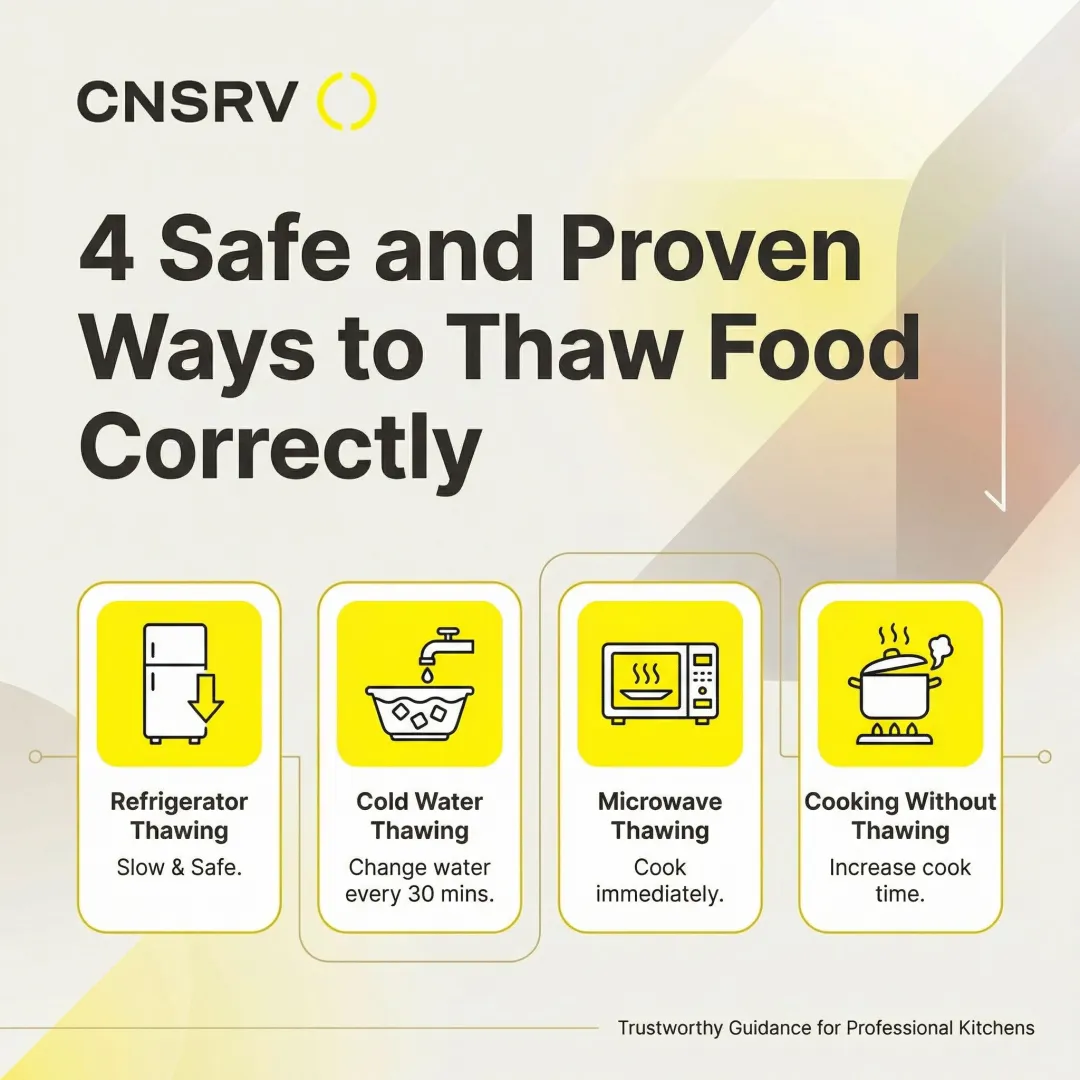
- Refrigerator thawing is safest but requires advance planning
- Never use hot water or leave peas at room temperature—bacteria multiply rapidly
- Thorough drainage is essential to prevent watery, diluted dressing
- Frozen peas can be added directly to some salads without defrosting
How to Defrost Frozen Peas for Salad
Cold Water Method (Recommended for Salads)
This method balances speed and quality perfectly for salad prep.
- Place frozen peas in a fine-mesh strainer or colander
- Run cold tap water over peas for 5-10 minutes
- Stir occasionally to ensure even thawing
- Shake strainer vigorously to remove excess water
- Pat dry with paper towels before adding to salad
Alternative approach: Submerge a sealed bag of peas in a bowl of cold water, changing the water every 5 minutes.
The FDA mandates cold water thawing maintain temperatures at or below 70°F to prevent bacterial growth. This method preserves the peas' cellular structure better than other approaches, resulting in firmer texture.

Refrigerator Method (Best for Food Safety)
The safest option when you can plan ahead.
- Transfer frozen peas from freezer to a covered container or sealed bag
- Place on bottom shelf of refrigerator 6-8 hours before needed (overnight works perfectly)
- Drain any accumulated moisture thoroughly before use
Refrigerator thawing keeps food at 40°F or below, ensuring peas never enter the bacterial "danger zone." The slow, controlled temperature minimizes fluctuations that degrade texture.
Microwave Method (Fastest but Use Caution)
Only use this when you're in a rush and willing to accept texture trade-offs.
Steps:
- Spread frozen peas in a single layer on a microwave-safe plate
- Use defrost setting or 30% power in 30-second intervals
- Stir between each interval
- Stop when peas feel cool to touch but no longer frozen solid (2-3 minutes total)
- Drain and cool under cold water right away to stop any cooking
Microwaves heat unevenly, potentially bringing parts of food into the danger zone while other parts remain frozen. This method risks creating mushy spots where peas partially cook.
When Should You Defrost Frozen Peas for Salad?
Defrosting isn't always necessary—the decision depends on your recipe and timing.
Defrost when:
- Making cold pea salads with mayo-based dressings where even coating matters
- Peas are a featured ingredient rather than a minor addition
- You want maximum sweetness and tender-crisp texture
- Serving the salad immediately after preparation
Skip defrosting for:
- Warm grain salads or pasta salads where peas will be tossed with hot ingredients
- Salads that will sit in dressing for 20+ minutes before serving (peas thaw naturally)
- Mixed green salads where frozen peas add a refreshing cool element
The trade-off: frozen peas may slightly dilute dressing as they thaw, requiring dressing adjustment.

What You Need Before Defrosting Frozen Peas
Proper preparation makes the difference between crisp, fresh-tasting peas and waterlogged, mushy disappointments.
Equipment Requirements
- Fine-mesh strainer or colander (essential for thorough draining)
- Paper towels or clean kitchen towel for absorbing surface moisture
- Bowl for cold water method
- Microwave-safe plate for microwave method
Pea Quality Considerations
Quality frozen peas defrost better with less mushiness. Rapid freezing (IQF) produces small ice crystals that preserve cellular integrity, while slow freezing creates large crystals that puncture cell walls, causing drip loss.
Check for quality indicators:
- Minimal ice crystals on package surface
- No freezer burn (grayish-brown leathery spots)
- Within use-by date
- Proper freezer storage at 0°F or below
Food Safety Readiness
Plan timing so defrosted peas are used within 24 hours. Never refreeze peas after thawing unless you cook them first—refreezing significantly degrades texture and safety.
Key Factors That Affect Defrosting Results
Several variables determine whether your peas end up perfectly crisp or disappointingly mushy.
Water Temperature
Cold water (below 70°F) prevents bacterial growth while gently thawing. Bacteria can double about every 20 minutes in the danger zone (40°F-140°F), making temperature control critical.
Warm or hot water causes problems:
- Outer peas cook while inner peas stay frozen
- Creates uneven texture throughout
- Risks food safety violations
Defrosting Time
Temperature control matters, but so does timing. Over-defrosting leads to water absorption and mushiness.
Optimal defrosting stops when peas are just thawed but still cold to touch. Extended exposure to water allows peas to absorb moisture, diluting their natural sweetness and creating soggy texture.
Drainage Technique
Thorough drainage is critical—excess water dilutes salad dressing and makes peas soggy.
Effective drainage techniques:
- Shake your strainer vigorously for 10-15 seconds
- Pat peas with paper towels to absorb surface moisture
- Let peas sit in strainer for 2-3 minutes before using
The difference between good and great pea salad often comes down to this final step.
Pea Size and Quality
Pea size directly affects defrosting speed and final texture. Petite peas (passing through 8.75mm sieves) defrost faster than larger, starchier varieties.
Smaller, younger peas are generally sweeter and more tender, maintaining better texture through defrosting. Premium frozen peas maintain superior texture compared to budget varieties, as they're picked at peak ripeness and processed quickly.

Common Mistakes When Defrosting Frozen Peas
Even a simple task like defrosting peas has common pitfalls that affect texture, flavor, and food safety:
- Using hot or warm water to speed defrosting, which partially cooks outer peas and creates mushy texture
- Leaving peas at room temperature for extended periods. According to USDA guidelines, food left out for more than 2 hours must be discarded
- Inadequate draining, which leaves excess water that dilutes dressing and makes salad watery
- Over-microwaving, which cooks peas instead of defrosting them and destroys the crisp texture needed for salads
- Refreezing thawed peas, which degrades texture and creates safety risks
Alternatives to Traditional Defrosting Methods
Sometimes defrosting isn't necessary, and other approaches may work better depending on your recipe.
Using Frozen Peas Directly (No Defrosting)
This works perfectly for warm pasta salads, grain bowls, or salads where peas will sit in dressing for 20+ minutes before serving. The peas thaw naturally while absorbing flavors from the dressing.
Key trade-off: Requires advance planning, and peas may slightly water down dressing as they thaw. Consider reducing liquid in your dressing or adding frozen peas 30 minutes before serving.
Blanching Method (Quick Cook and Cool)
If you need perfectly tender peas with bright color, blanching works better than simple defrosting. Boil frozen peas for 1.5 minutes, then immediately shock them in ice water.
When to use this method:
- Serving vulnerable populations who need fully cooked, food-safe vegetables
- You want the brightest possible green color
- Peas are a featured ingredient (not just a mix-in)
The ice bath stops cooking instantly, preventing the carryover cooking that leads to mushiness.
Conclusion
Defrosting frozen peas correctly preserves their natural sweetness, bright color, and crisp texture essential for great salads. The cold water method offers the best balance of speed and quality, taking just 5-10 minutes while maintaining food safety.
However, even the best method fails without proper execution. Common mistakes include:
- Using hot water that partially cooks peas and destroys texture
- Over-defrosting beyond just-thawed state
- Inadequate draining that leaves excess moisture
Remember that peas thawed in cold water or the microwave must be used immediately and cannot be refrozen raw. When in doubt, the blanch-and-shock method guarantees both safety and quality, making it ideal for featured pea salads.
Frequently Asked Questions
Should you defrost frozen peas?
It depends on your recipe. Cold pea salads benefit from defrosting for best texture and even dressing distribution, while warm salads work fine with frozen peas added directly.
How long does it take to defrost frozen peas?
Cold water takes 5-10 minutes, refrigerator thawing requires 6-8 hours, and microwave defrosting takes 2-3 minutes. Cold water offers the optimal balance of speed and quality preservation.
Can you defrost peas in the microwave safely?
Yes, but use defrost setting or 30% power in short intervals. This method risks uneven texture if not monitored carefully.
Is it safe to defrost peas at room temperature?
No. Peas should not be left at room temperature for more than 2 hours due to bacterial growth risk. Cold water or refrigerator methods are much safer and maintain better quality.
Do frozen peas need to be cooked before adding to salad?
Most frozen peas are blanched before freezing, making them technically pre-cooked. For cold salads, defrost them first unless packaging explicitly states "Ready-to-Eat."
What's the fastest way to defrost frozen peas without ruining texture?
The cold water method (5-10 minutes) is fastest while preserving quality. Place peas in a fine-mesh strainer under cold water, stirring occasionally, then drain thoroughly and pat dry before adding to your salad.