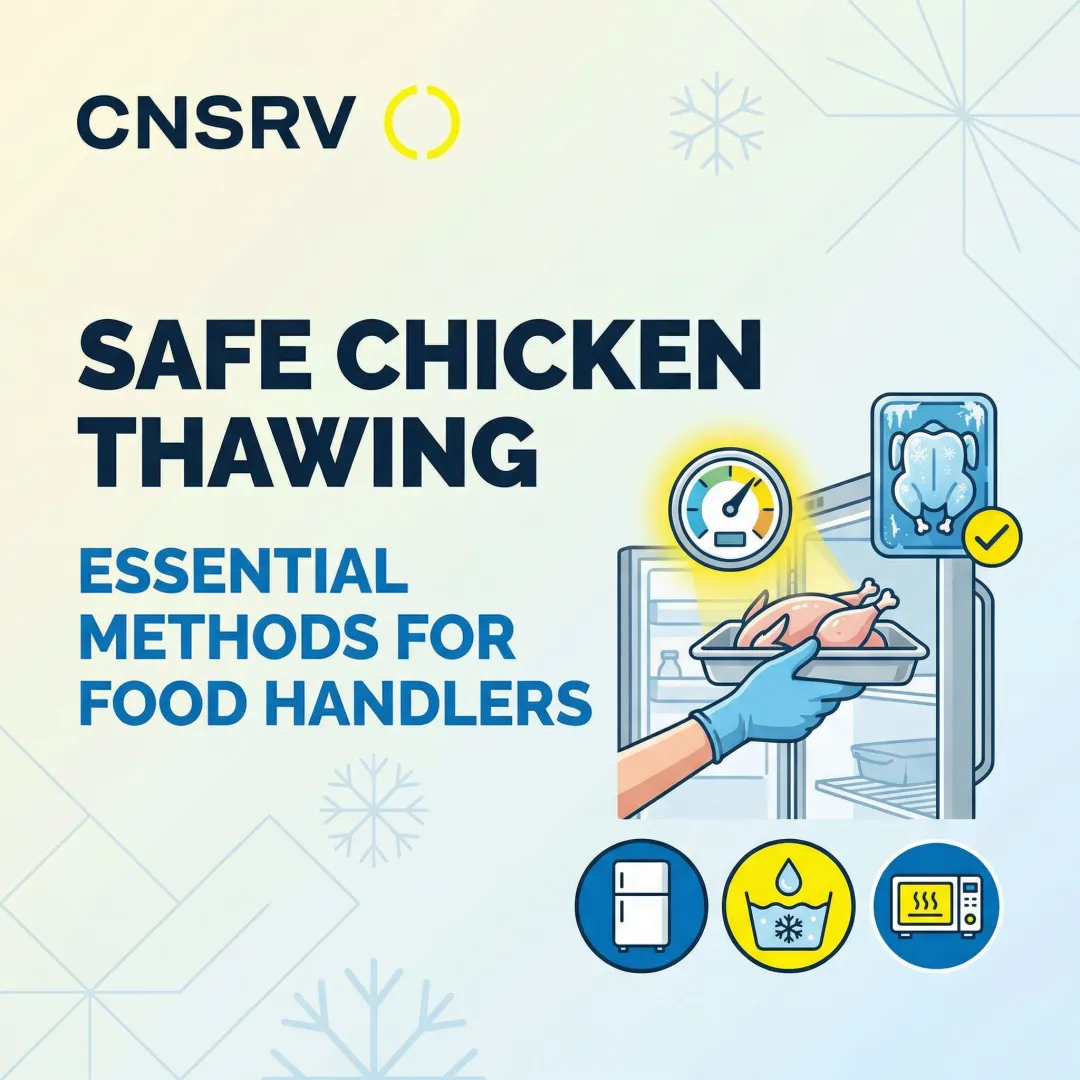
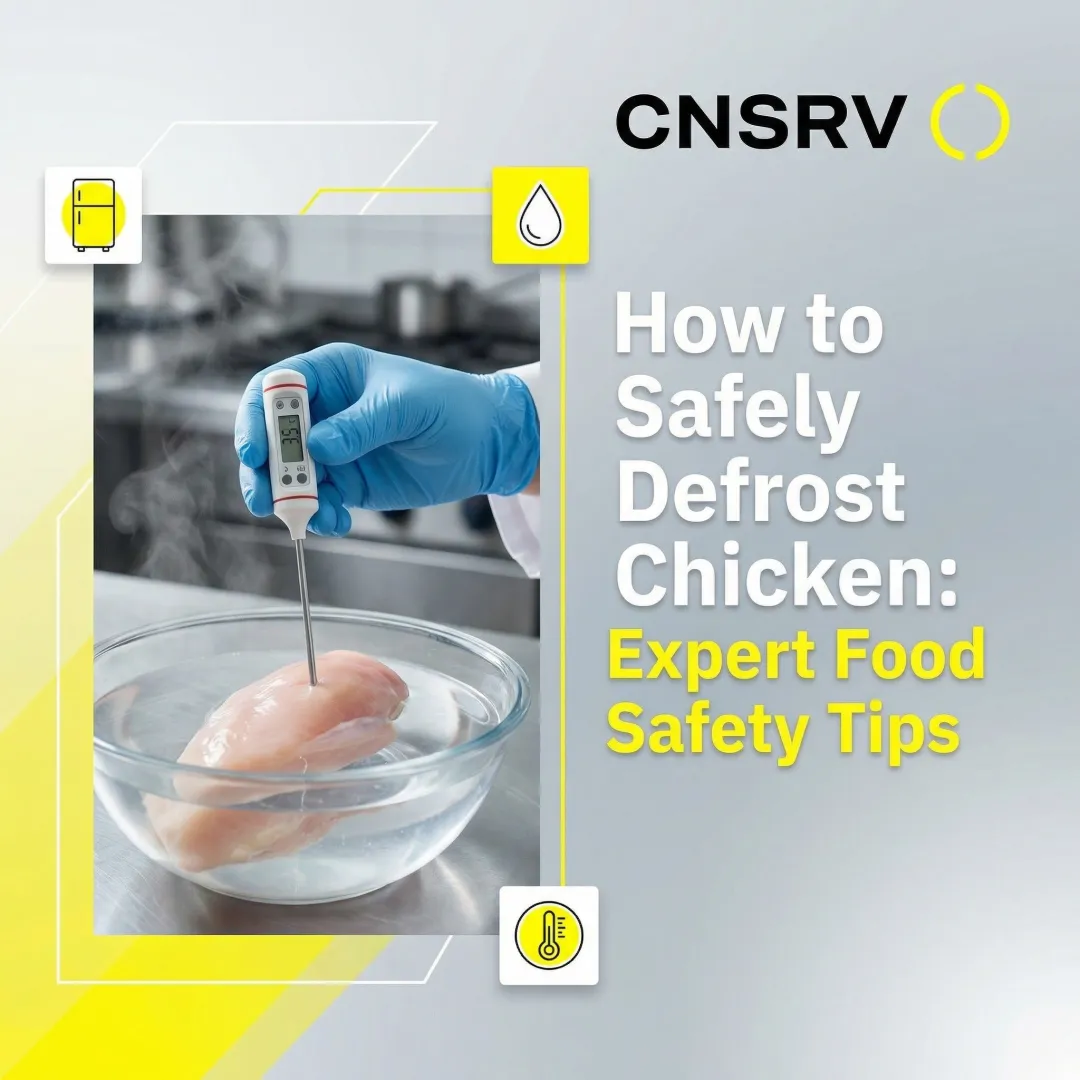
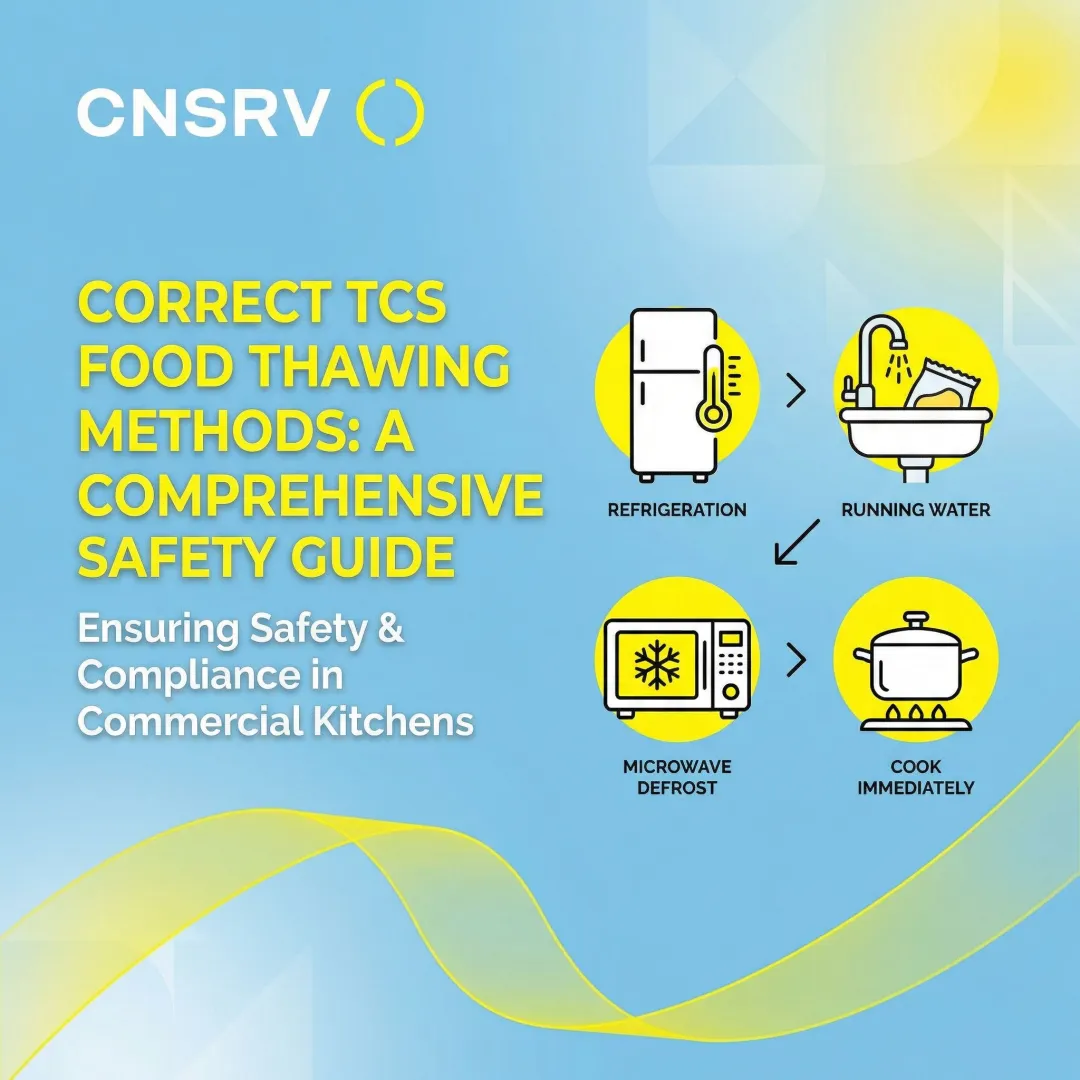
Introduction: The Critical Importance of Safe Pizza Thawing
A single improperly thawed pizza can lead to foodborne illness outbreaks, health code violations, and damaged reputation—yet many commercial kitchens still use outdated thawing methods. Pizza components like dough, cheese, and meat toppings are all Time/Temperature Control for Safety (TCS) foods requiring strict protocols.
According to the FDA Food Code, bacteria multiply rapidly between 41°F and 135°F, the designated "Temperature Danger Zone."
This guide equips you with the knowledge to thaw frozen pizza safely every time:
- Four FDA-approved thawing methods with step-by-step procedures
- Temperature control principles that prevent bacterial growth
- Commercial kitchen best practices health inspectors look for
- Common violations that lead to citations, fines, or closures
Master these techniques to protect your customers, your staff, and your business.
TLDR: Quick Reference for Food Handlers
- Never thaw pizza at room temperature—bacteria multiply rapidly between 41°F-135°F
- Use approved methods: refrigerator (24+ hours), cold running water (≤70°F), microwave (cook immediately), or cook from frozen
- Plan thawing schedules in advance and document all activities for health inspections
- Closed-loop defrosting systems reduce water waste by 98% while meeting health code requirements
Understanding the Temperature Danger Zone for Frozen Pizza
The 41°F to 135°F Critical Range
The FDA Food Code defines the Temperature Danger Zone as 41°F to 135°F, where bacteria multiply most rapidly.
Under ideal conditions, bacteria can double every 10 to 30 minutes between 60°F and 120°F. This creates dangerous pathogen levels within hours.
Why Freezing Doesn't Kill Bacteria
Freezing stops bacterial growth but doesn't destroy microorganisms. This common misconception puts kitchens at risk.
When food thaws and enters the danger zone, surviving bacteria reactivate and multiply to potentially harmful levels or produce toxins.
Pizza as a TCS Food
Pizza components require careful temperature monitoring because they're classified as Time/Temperature Control for Safety foods:
- Cheese (dairy product supporting rapid bacterial growth)
- Meat toppings including raw animal proteins like pepperoni, sausage, and chicken
- Dough (cooked grain product requiring temperature control)
- Vegetable toppings that are cooked and meet TCS criteria
The Surface Temperature Problem
Pizza surfaces thaw faster than centers, creating dangerous temperature gradients.
The interior remains frozen at safe temperatures, but warm outer layers can reach the danger zone where bacteria multiply rapidly. This happens even when the pizza feels frozen to the touch.

Why Proper Pizza Thawing Matters in Food Service
Regulatory Consequences
Improper thawing is classified as a Priority Foundation violation in the FDA Food Code. Health inspectors check thawing procedures during routine inspections, and violations require immediate corrective actions.
Chicago health code enforcement indicates establishments may face fines or possible closure if problems are identified.
Quality and Operational Impact
Regulatory compliance is just one concern. Improper thawing also affects pizza quality and your bottom line:
- Soggy, waterlogged crusts from uncontrolled moisture exposure
- Separated toppings that slide off during cooking
- Texture degradation from freeze-thaw damage
- Uneven cooking due to temperature inconsistencies
Improper temperature control is a leading cause of food waste in commercial operations.
When improperly thawed pizzas must be discarded, kitchens lose both product cost and labor investment, directly impacting profitability.
Four Approved Methods to Safely Thaw Frozen Pizza
The FDA Food Code recognizes exactly four acceptable thawing methods, each with specific applications and safety protocols.
Method 1: Refrigerator Thawing (The Gold Standard)
Refrigerator thawing maintains food at 41°F or less throughout the entire process, eliminating bacterial growth risk.
Time Guidelines:
Plan approximately 24 hours for every 5 pounds of pizza. Large commercial pizzas may require 36-48 hours. Place pizzas on bottom shelves in leak-proof containers to prevent cross-contamination.
Advantages:
- Safest method with zero danger zone exposure
- Can refreeze if plans change without cooking
- No monitoring required once placed in refrigerator
- Maintains best texture and quality
Disadvantages:
- Requires advance planning and scheduling
- Takes longest time of all methods
- Occupies valuable refrigerator space
Method 2: Cold Running Water Thawing
Water temperature must remain at or below 70°F, with approximately 30 minutes required per pound of pizza.
Process Requirements:
- Submerge sealed pizza packages completely in water
- Water must be running or changed every 30 minutes
- Total time above 41°F cannot exceed 4 hours for raw animal foods
Water Waste Challenge:
Traditional running faucet methods consume approximately 132 gallons per hour at standard commercial flow rates.
A faucet running at higher flow rates can use up to 1,268 gallons in a single 4-hour thawing session, creating significant utility costs and environmental impact.
Closed-Loop Alternatives
Commercial operations facing these water costs have increasingly adopted closed-loop defrosting systems. CNSRV's NSF-listed DC:02 addresses this waste through controlled water agitation in a closed-loop design.
The system uses 98% less water than traditional running faucet methods while maintaining compliance with FDA and California health code standards. The DC:02 circulates water at approximately 130 gallons per minute—10 to 30 times faster than typical commercial faucets—creating uniform temperature distribution while keeping water below 70°F through digital sensors and software-limited heating.

Method 3: Microwave Thawing
Microwave thawing requires immediate cooking after thawing due to uneven heating that creates warm spots where bacteria multiply.
Best Practices:
- Use defrost setting, not full power
- Rotate pizza frequently for even thawing
- Monitor closely to prevent cooking edges
- Transfer immediately to oven—no delays allowed
Limitations:
- Works better for individual slices than whole pizzas
- Size constraints of commercial microwaves
- Creates quality issues with uneven heating
- Must cook immediately—no flexibility for kitchen scheduling
Method 4: Cooking from Frozen
Cooking pizza directly from frozen is acceptable if you monitor internal temperatures to ensure all parts reach safe minimums.
Guidelines:
- Increase cooking time by approximately 50%
- Use food thermometer to verify 165°F for meat-topped pizzas
- Check multiple locations, especially the center
- Works best for pre-made frozen pizzas rather than fresh dough that was frozen
Temperature Requirements:
- Poultry toppings: 165°F instantaneous
- Ground meat toppings: 155°F for 17 seconds
- Whole meat/fish: 145°F for 15 seconds

Common Pizza Thawing Mistakes to Avoid
The Most Dangerous Mistake: Room Temperature Thawing
Leaving pizza on counters or in warm water allows surface temperatures to enter the danger zone for extended periods. The outer layer can reach 40°F-140°F where bacteria multiply rapidly, even while the center remains frozen.
This uneven thawing creates serious health risks that aren't visible to the eye.
Hot Water and Heat Source Violations
Beyond room temperature, these heat-based methods also violate food safety codes. Never thaw pizza:
- Under hot running water
- Near ovens or cooking equipment
- On dishwashers or warming cabinets
- In standing (non-running) water
Health inspectors frequently cite thawing in stagnant water as a violation. Water must be running to facilitate heat exchange and remove particles.
The Four-Hour Rule
If pizza has been in the temperature danger zone for more than 4 hours cumulative time, discard it immediately regardless of appearance or smell.
This time limit is cumulative—it includes thawing, preparation, and any holding time before cooking.
Best Practices for Commercial Pizza Operations
Implement a Thawing Schedule and Documentation System
Create accountability by tracking:
- Date and time thawing began
- Method used (refrigerator, cold water, etc.)
- Expected completion time
- Staff initials for responsibility
- Water temperature readings (for cold water method)
- Actual completion time and temperature
Proper Labeling Procedures
Label all thawing items with:
- Start date/time - when moved from freezer
- Expected completion - when item should be fully thawed
- Staff initials - who initiated the process
- Method - which approved method is being used
This prevents confusion during shift changes and creates clear accountability.
Storage Protocols During Thawing
Location:
- Use bottom shelves to prevent drips onto ready-to-eat foods
- Separate from fully prepared items
- Maintain cold chain throughout process
Containers:
- Use dedicated, leak-proof containers
- Ensure containers are clean and sanitized
- Never mix raw and cooked products
Cross-Contamination Prevention:

- Clean and sanitize sinks before and after thawing
- Never thaw raw meat in vegetable prep sinks
- Maintain physical separation from ready-to-eat foods
Training Requirements
Ensure all food handlers can:
- Identify the four approved thawing methods and time limits
- Recognize temperature danger zone violations and discard improperly thawed items
- Demonstrate proper documentation procedures
- Understand cross-contamination prevention protocols
Lack of knowledge regarding thawing methods is cited as a failure of the Person in Charge to demonstrate adequate knowledge during inspections.
Water-Efficient Thawing Systems
Beyond training and protocols, consider equipment that reduces water waste during cold water thawing. Traditional running-faucet methods can waste hundreds of thousands of gallons annually.
NSF-listed closed-loop systems offer a practical alternative:
- Maintain water below 70°F with automated temperature monitoring
- Cut thawing time in half compared to traditional cold water methods
- Eliminate continuous water flow while meeting all FDA and health code standards
- Save up to 1,000,000 gallons per kitchen annually
Systems like CNSRV's DC:02 defroster meet California Retail Food Code compliance while reducing both water bills and environmental impact—a win for operations focused on sustainability and cost control.
Frequently Asked Questions
Can you thaw frozen pizza at room temperature?
No, never thaw pizza at room temperature. The surface enters the danger zone (41°F-135°F) where bacteria multiply rapidly, even while the center remains frozen.
How long does it take to safely thaw a frozen pizza?
Refrigerator method takes 24+ hours, cold water method takes 30 minutes per pound, and cooking from frozen adds 50% to normal time.
Can you refreeze pizza after thawing it?
Pizza thawed in the refrigerator can be refrozen without cooking, but pizza thawed by cold water or microwave methods must be cooked to safe internal temperatures before refreezing.
What temperature should water be for cold water thawing?
Water must stay at or below 70°F throughout thawing. Change water every 30 minutes or use continuous cold running water to maintain safe temperatures.
Do health inspectors check pizza thawing procedures?
Yes, thawing methods are part of standard inspections. Inspectors may ask staff to demonstrate procedures, review logs, and verify temperature controls.
What should you do if pizza was left out overnight to thaw?
Discard it immediately. Pizza in the danger zone for 4+ hours is unsafe to serve regardless of appearance—food safety cannot be determined by look or smell.