Introduction
It's 5 PM, dinner service starts in two hours, and your shrimp are still frozen solid. This scenario plays out in commercial and home kitchens alike, making defrosting knowledge essential for anyone working with seafood.
The stakes are higher than most realize. Improper defrosting creates food safety risks, ruins texture, and in commercial settings, can waste hundreds of thousands of gallons of water annually. According to the USDA, bacteria grow rapidly when food enters the "danger zone" of 40°F-140°F, turning a simple thawing mistake into a potential health hazard.
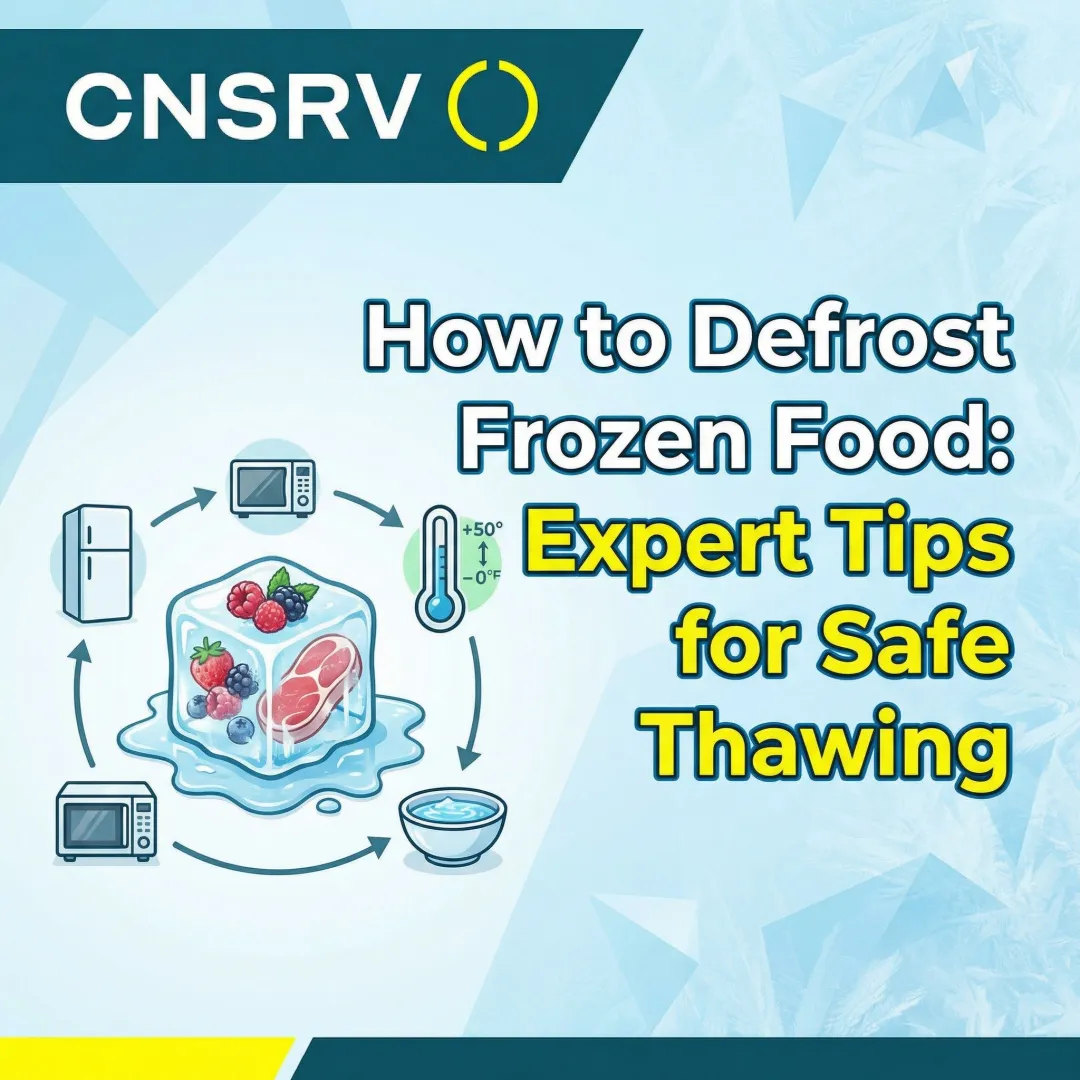
This guide covers three proven defrosting methods—refrigerator thawing, cold water thawing, and running water thawing—with specific applications for both home cooks and commercial kitchens.
We'll also address the massive water waste problem in foodservice operations and explore modern solutions that save water, time, and money while maintaining food safety standards.
TLDR:
- Refrigerator thawing (12-24 hours) is safest and preserves texture
- Cold water thawing (1-2 hours) works when shrimp are sealed in leak-proof bags
- Running water wastes 45 gallons per cycle at home, 315 in commercial kitchens
- Commercial operations can reduce water usage by 98% with purpose-built defrosting systems
- Never thaw at room temperature or in warm water
Why Proper Shrimp Defrosting Matters
Food Safety Comes First
The USDA defines the danger zone as 40°F to 140°F, where bacteria multiply rapidly. The USDA defines the danger zone as 40°F to 140°F, where bacteria multiply as soon as thawed shrimp rise above 40°F.
Countertop or hot water thawing is unsafe according to USDA guidelines because the outer layer reaches dangerous temperatures while the center remains frozen.
Uncooked spoiled seafood develops sour, rancid, fishy, or ammonia odors that intensify after cooking. These warning signs indicate bacterial growth that proper defrosting prevents.
Texture Degradation Ruins Quality
Incorrect thawing methods damage shrimp at a cellular level:
- Rapid temperature changes cause moisture loss, creating tough, rubbery texture
- Waterlogging occurs when shrimp thaw directly in water without protective packaging, making them mushy
- Excessive moisture loss during cooking results from improper defrosting, reducing the natural sweetness and delicate flavor shrimp are prized for
Research comparing thawing methods shows that microwave defrosting, while fast, results in significantly higher moisture loss and tougher texture compared to slower, controlled methods.
The Hidden Cost of Water Waste
Traditional defrosting methods waste significant water and money:
| Setting | Flow Rate | Typical Thaw Time | Water Used Per Cycle |
|---|---|---|---|
| Home kitchens | 1.5 gpm (federal standard) | 30 minutes | ~45 gallons |
| Commercial kitchens | 4.5 gpm (LA study average) | 70 minutes | ~315 gallons |
The scale difference is dramatic. While home cooks waste 45 gallons per thaw cycle, commercial operations running multiple cycles daily can waste hundreds of thousands of gallons annually. This translates to water bills reaching $20,000 per year or more.
Commercial Compliance Requirements
Commercial kitchens face strict health code requirements:
- FDA Food Code mandates specific temperature controls and time limits
- California Retail Food Code requires documented defrosting procedures
- Violations result in fines, failed inspections, or temporary closures
Traditional running-water methods often violate these codes when municipal tap water exceeds 70°F during warmer months. Standard faucets offer no practical solution for maintaining compliant temperatures.

Best Methods for Defrosting Shrimp
Different situations demand different approaches. Planning ahead allows for the safest, highest-quality method. Last-minute needs require faster alternatives that balance speed with safety.
Refrigerator Method (Overnight Thawing)
This is the gold standard for quality and safety.
Step-by-step process:
- Place frozen shrimp in a covered container to prevent cross-contamination
- Set on the lowest refrigerator shelf to avoid drips onto other foods
- Allow 12-24 hours depending on quantity and size
- Larger quantities and jumbo shrimp require the full 24 hours
Why this method wins:
- Maintains consistent safe temperature at or below 40°F throughout the process
- Minimizes moisture loss, preserving the firm texture and natural sweetness
- Allows shrimp to remain safely refrigerated for 1-2 days before cooking if plans change
- Creates zero water waste
Research confirms refrigerator thawing results in the lowest chemical quality deterioration compared to other methods. The slow, controlled temperature change preserves cell structure, preventing the mushiness that faster methods create.

The main drawback? Time. You need to plan a full day ahead, which isn't always practical during busy service or when dinner plans change.
Cold Water Method (Quick Thawing)
When you need shrimp ready in 1-2 hours, this method delivers.
Detailed instructions:
- Seal shrimp in a leak-proof plastic bag, removing as much air as possible
- Fill a large bowl or container with cold tap water
- Submerge the sealed bag completely
- Change the water every 30 minutes to maintain cold temperature
- Small quantities (1 pound) thaw in about 1 hour; larger amounts (3-4 pounds) take 2-3 hours
The science behind the method:
Water conducts heat far more efficiently than air, speeding up the thawing process.
The water must be changed every 30 minutes because the frozen shrimp cool the surrounding water, slowing heat transfer and potentially allowing the water temperature to rise into the danger zone.
The sealed bag is critical. Leaks introduce bacteria and cause tissue to absorb water like a sponge, resulting in waterlogged, mushy shrimp with diluted flavor.
Important: Cook shrimp immediately after thawing with this method. Don't refrigerate for later use.
Running Water Method (Emergency Thawing)
The fastest option when you're truly pressed for time.
Instructions:
- Place shrimp in a colander
- Run cold water directly over them
- Move shrimp occasionally to ensure even thawing
- Typical thaw time: 5-8 minutes for most quantities
The water waste problem:
This convenience comes at a steep environmental and financial cost. At 1.5 gallons per minute, even a brief 8-minute thaw wastes 12 gallons.
A more typical 30-minute session for larger quantities consumes 45 gallons. Commercial kitchens face an even bigger problem—with flow rates averaging 4.5 gpm and thawing cycles lasting over an hour, a single defrosting session can waste 315 gallons.
This is why many commercial operations are switching to closed-loop defrosting systems that recirculate water rather than sending it down the drain. Use the running water method only when absolutely necessary—the water waste and cost make it unsustainable as a regular practice.

Common Mistakes to Avoid When Defrosting Shrimp
Critical Errors That Compromise Safety and Quality
Three mistakes create the most problems:
Using warm or hot water: Warm water seems faster, but it pushes shrimp's outer layer into the bacterial danger zone while the center stays frozen. The temperature differential creates ideal conditions for rapid bacterial multiplication.
Leaving shrimp at room temperature: Never thaw seafood on the counter. The 2-hour rule applies (1 hour if ambient temperature exceeds 90°F). Beyond this timeframe, bacterial growth reaches unsafe levels even if the shrimp still feel cold.
Defrosting directly in water without a bag: This waterlogging destroys texture, creating mushy shrimp that release excessive moisture during cooking. The result? Steamed rather than seared shrimp, with pale color and rubbery texture.
Post-Thawing Mistakes
Timing matters after defrosting completes:
Leaving shrimp in water after thawing completes degrades quality. Once thawed, prolonged water contact continues breaking down texture. Remove shrimp immediately, pat dry, and cook or refrigerate.
Delaying cooking after thawing increases risk. Cook shrimp immediately after thawing, particularly if you used the cold water or running water method. If you must delay, refrigerate immediately and cook within 1-2 hours maximum.
The Refreezing Question
Avoid refreezing thawed shrimp. While USDA guidelines allow refreezing shrimp thawed in the refrigerator, quality suffers significantly.
Each freeze-thaw cycle damages cell structure, increases moisture loss, and degrades texture. The safety concern is real too—shrimp thawed using cold water or microwave methods must be cooked before any refreezing.

Defrosting Solutions for Commercial Kitchens
The Commercial Kitchen Challenge
Commercial operations face unique pressures that make proper defrosting particularly difficult:
- High-volume needs requiring multiple defrosting cycles daily
- Time pressures during prep and service when delays impact the entire operation
- Water costs that add thousands of dollars annually to operating expenses
- Strict health code requirements with real consequences for violations
- Labor constraints that make constant monitoring of defrosting impractical
Quantifying the Water Waste Crisis
The numbers are sobering. Research shows commercial kitchens using traditional running-faucet methods can waste up to 1,000,000 gallons of water annually per location. Field studies documented an average of 1,192 liters (315 gallons) per single thawing cycle, with many kitchens running multiple cycles daily.
At typical combined water and sewer rates of $0.03 per gallon, this translates to over $20,000 in annual water costs—money literally flowing down the drain.
Commercial Defrosting Technology
Given these challenges, modern defrosting systems offer an alternative to running-faucet methods. The CNSRV DC:02 addresses commercial kitchen demands with engineered water circulation and temperature control.
Key performance metrics:
- Uses 98% less water than traditional methods—reducing annual consumption from approximately 717,600 gallons to just 3,120 gallons
- Defrosts food in half the time compared to running faucet methods
- NSF-listed for food contact, meeting all commercial kitchen safety standards
- Maintains compliance with FDA Food Code § 3-501.13 and California Retail Food Code § 114020
The system works through three core mechanisms:
- Water circulates at approximately 130 gallons per minute—10 to 30 times faster than typical commercial faucets
- Digital sensors maintain water temperature below 70°F (typically under 66°F), addressing common violations where municipal tap water exceeds safe temperatures during warmer months
- Closed-loop design eliminates continuous water waste while maintaining the agitation and flow velocity required by health codes
This engineered flow creates uniform temperature distribution and prevents the warm spots that compromise food safety with traditional methods.
The ROI for Commercial Operations
Understanding these performance improvements helps explain the financial return:
- Water bill savings: Commercial kitchens save approximately $1,786 per month in combined water and sewer costs, with annual savings exceeding $21,000 for most operations
- Time savings: Reducing defrosting time by 50% translates to approximately 780 hours of labor savings annually—time kitchen staff can redirect to food preparation and service
- Rebate qualifications: Multiple water utilities offer substantial rebates for commercial defrosting equipment, including $800 per unit from the Metropolitan Water District for Southern California locations
Many installations pay for themselves within three months when accounting for water savings, labor efficiency, and available rebates.

Tips for Maintaining Shrimp Quality During Defrosting
Proper Moisture Management
After thawing, pat shrimp thoroughly dry with paper towels. This critical step removes surface moisture that prevents proper searing—wet shrimp steam rather than brown, resulting in pale color and less developed flavor. Spread shrimp in a single layer on paper towels and gently press with additional towels to absorb excess moisture from all surfaces.
Timing and Storage Guidelines
Cook shrimp immediately after thawing whenever possible. Time is critical after thawing completes.
If brief delays are necessary:
- Refrigerate immediately at 40°F or below
- Cook within 1-2 hours maximum
- Never leave thawed shrimp at room temperature
Raw shellfish should be kept refrigerated for only 1-2 days before cooking, even if properly thawed in the refrigerator. Commercial defrosting systems with controlled water temperature regulation can reduce defrosting time by half compared to traditional methods, allowing tighter quality control over timing.
Quality Indicators: What to Look For
Properly thawed shrimp show:
- Mild, fresh ocean scent
- Firm texture that springs back when pressed
- Clear flesh with pearl-like color
- Minimal liquid pooling in the container
Warning signs of compromised shrimp:
- Ammonia, sour, or fishy odor
- Soft, mushy texture
- Excessive drip or liquid loss
- Discoloration or dull appearance
- Slimy surface coating
When in doubt, discard. The cost of replacing questionable shrimp is far less than the risk of foodborne illness.
Frequently Asked Questions
Is it safe to thaw shrimp under cold water?
Yes, when done correctly. Seal shrimp in a leak-proof bag to prevent water absorption and contamination, and change the cold water every 30 minutes. Never use warm or hot water, as this creates dangerous bacterial growth conditions.
How long can raw shrimp sit out to thaw?
Never thaw shrimp at room temperature. Perishable foods left out for more than 2 hours (or 1 hour above 90°F) enter the danger zone where bacteria multiply rapidly. Use only refrigerator or cold water methods.
Is it okay to cook frozen shrimp without thawing?
Yes, though it adds approximately 50% more cooking time and may result in less even cooking with more moisture release. For optimal texture and control, thaw before cooking when time permits.
What is the best way to thaw frozen shrimp?
The refrigerator method is best for quality and safety, maintaining consistent temperature while minimizing moisture loss. When time is limited, the cold water method provides faster results while keeping shrimp safe.
How long does it take to thaw shrimp in the refrigerator?
Allow 12-24 hours depending on quantity and size. Small amounts (1 pound) typically thaw in 12-15 hours, while larger quantities and jumbo shrimp require the full 24 hours.
Can I refreeze shrimp after thawing?
Not recommended. While USDA guidelines permit refreezing shrimp thawed in the refrigerator, each freeze-thaw cycle degrades texture and quality significantly. Shrimp thawed using cold water methods must be cooked before refreezing.