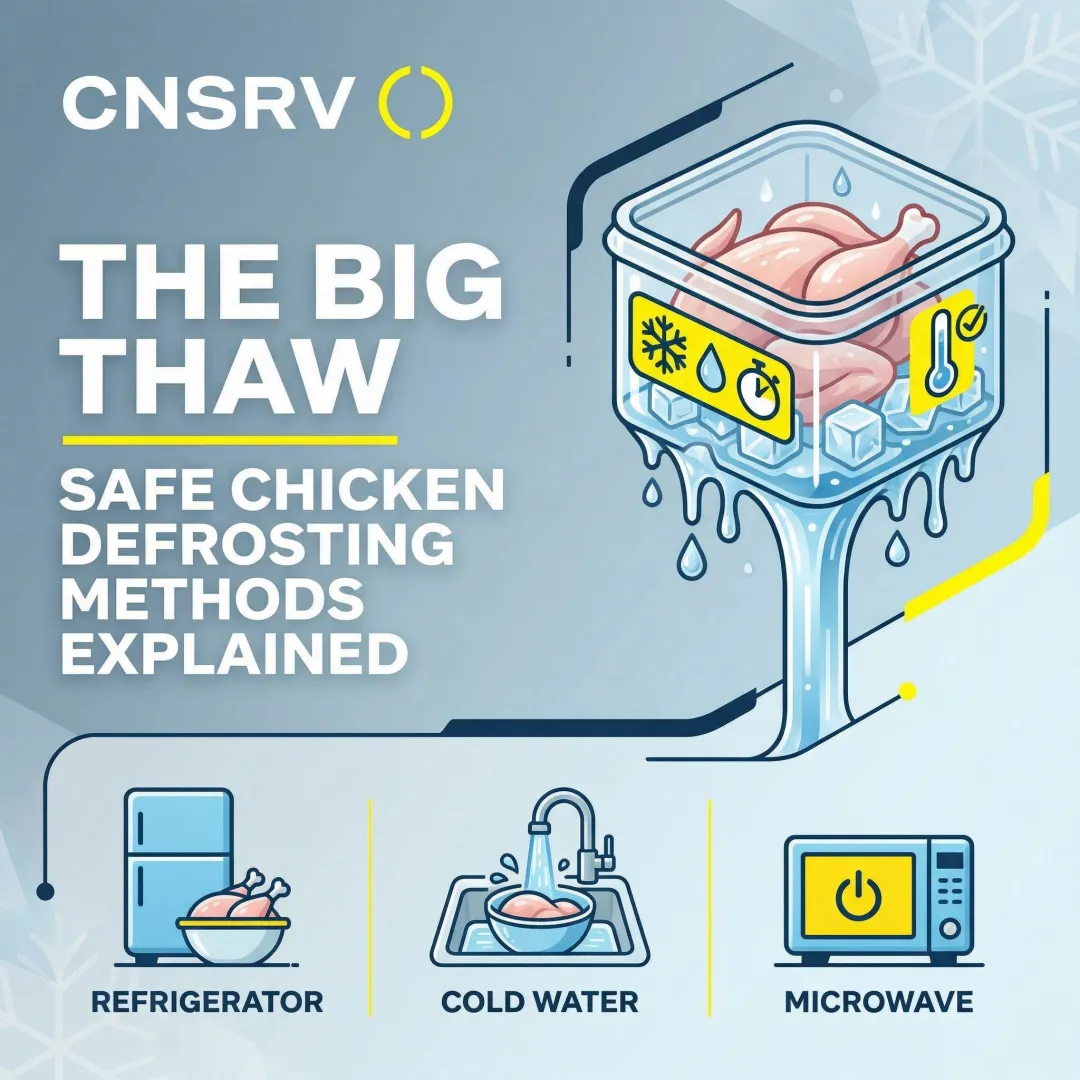
Introduction
It's 4 PM, you're planning chicken for dinner at 7, and the breasts are rock-solid in the freezer. Home cooks and commercial kitchens alike scramble for a safe, fast defrosting solution. While most people know about cold water thawing, adding salt to that water can accelerate the process significantly through basic chemistry—specifically, freezing point depression and enhanced heat transfer.
The salt water method isn't magic, but it is science. By lowering water's freezing point, salt creates a more efficient thermal environment that can reduce thawing time by 30-40% compared to plain cold water.
Speed comes with responsibility: this method requires strict adherence to food safety protocols, including precise salt ratios, cold water temperatures, and mandatory 30-minute water changes.
This guide explains the science behind salt-accelerated thawing, provides exact step-by-step instructions with safety parameters, and helps you determine when this method is the right choice for your cooking timeline. For commercial kitchens with consistent high-volume defrosting needs, dedicated defrosting systems offer a more efficient alternative to manual methods.
TLDR
- Salt water accelerates defrosting by 30-40% through enhanced heat transfer and lowered freezing point
- Mix 2 tablespoons salt per quart of cold water; keep chicken sealed and change water every 30 minutes
- Defrost 1 lb chicken breasts in 35-45 minutes or 3-4 lb whole chicken in 1.5-2 hours
- Cook immediately after thawing—never refreeze raw chicken thawed by this method
- Ideal for same-day cooking when you lack 24+ hours for refrigerator thawing
How to Defrost Chicken Using the Salt Method
Step 1: Prepare Your Chicken and Verify Packaging Integrity
Check that your chicken is in its original sealed packaging or transfer it to a heavy-duty, leak-proof freezer bag. The USDA emphasizes that any breach allows bacteria from the environment to contaminate the food.
Exposed meat tissue will absorb water, affecting both safety and texture.
Remove excess air from bags by pressing gently before sealing. Improved surface contact between the cold water and chicken accelerates heat transfer.
Air pockets slow the thawing process by insulating the meat from the cold water.
Verify the chicken is completely frozen—rock-solid to the touch. If it's partially thawed, skip the water method entirely and finish thawing in the refrigerator to avoid extended time in the temperature danger zone.
Step 2: Prepare the Salt Water Solution
Select a container large enough for full submersion with at least 1 inch of water coverage on all sides. Use a stock pot, large bowl, or clean sink basin.
Mix your solution using these precise ratios:
- 2 tablespoons of table salt per quart of water
- Approximately 1/2 cup salt per gallon of water
Use cold tap water only—never warm or hot water. Stir thoroughly until all salt crystals dissolve completely; undissolved salt sitting at the bottom won't accelerate the thawing process.
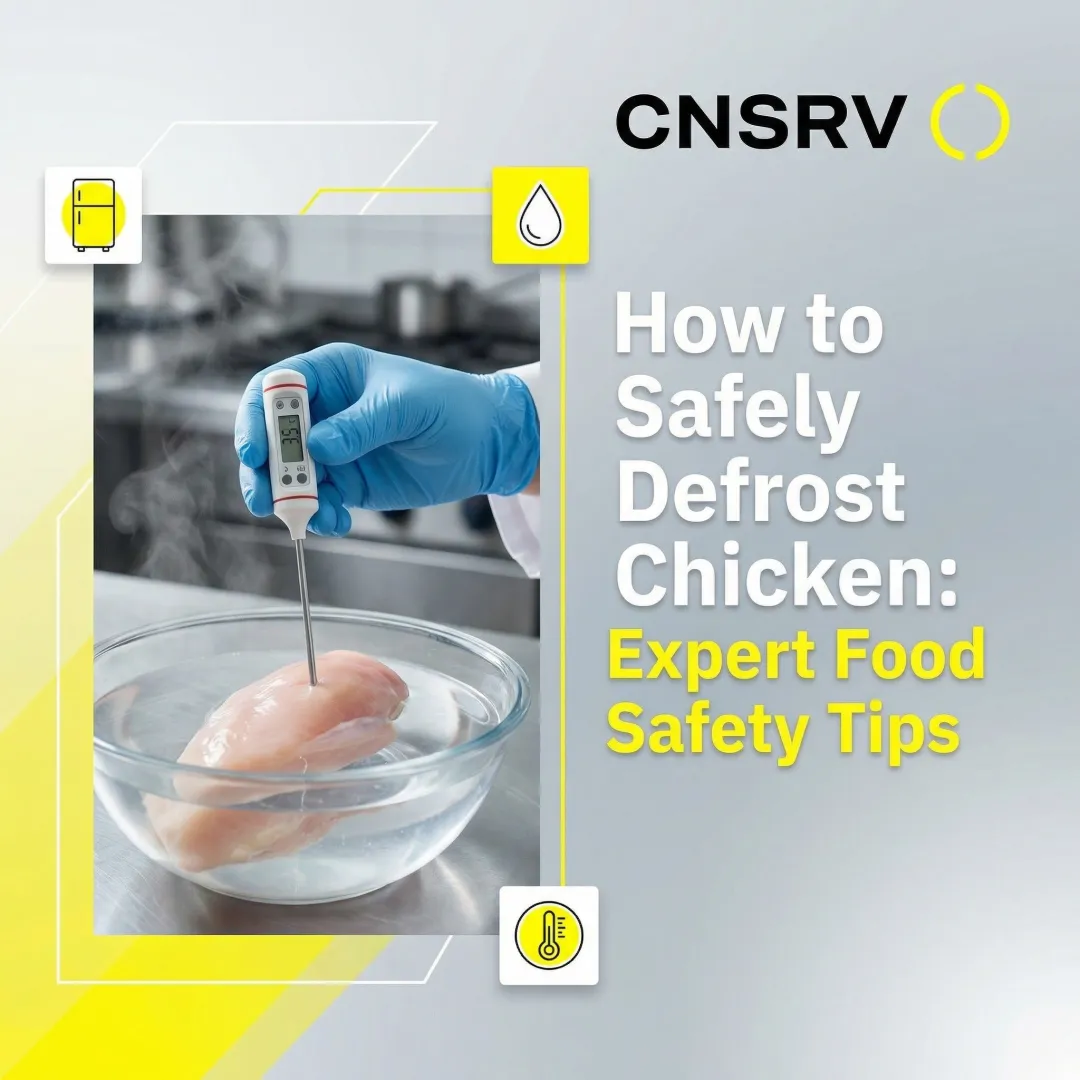
Verify water temperature with a kitchen thermometer: it reads between 40-70°F. Staying in that range keeps the chicken surface out of the bacterial danger zone while maintaining efficient heat transfer.
Step 3: Submerge and Monitor the Defrosting Process
Place the sealed chicken in the salt water solution. If it floats, weigh it down with a plate to ensure complete submersion—any exposed portions will thaw much more slowly.
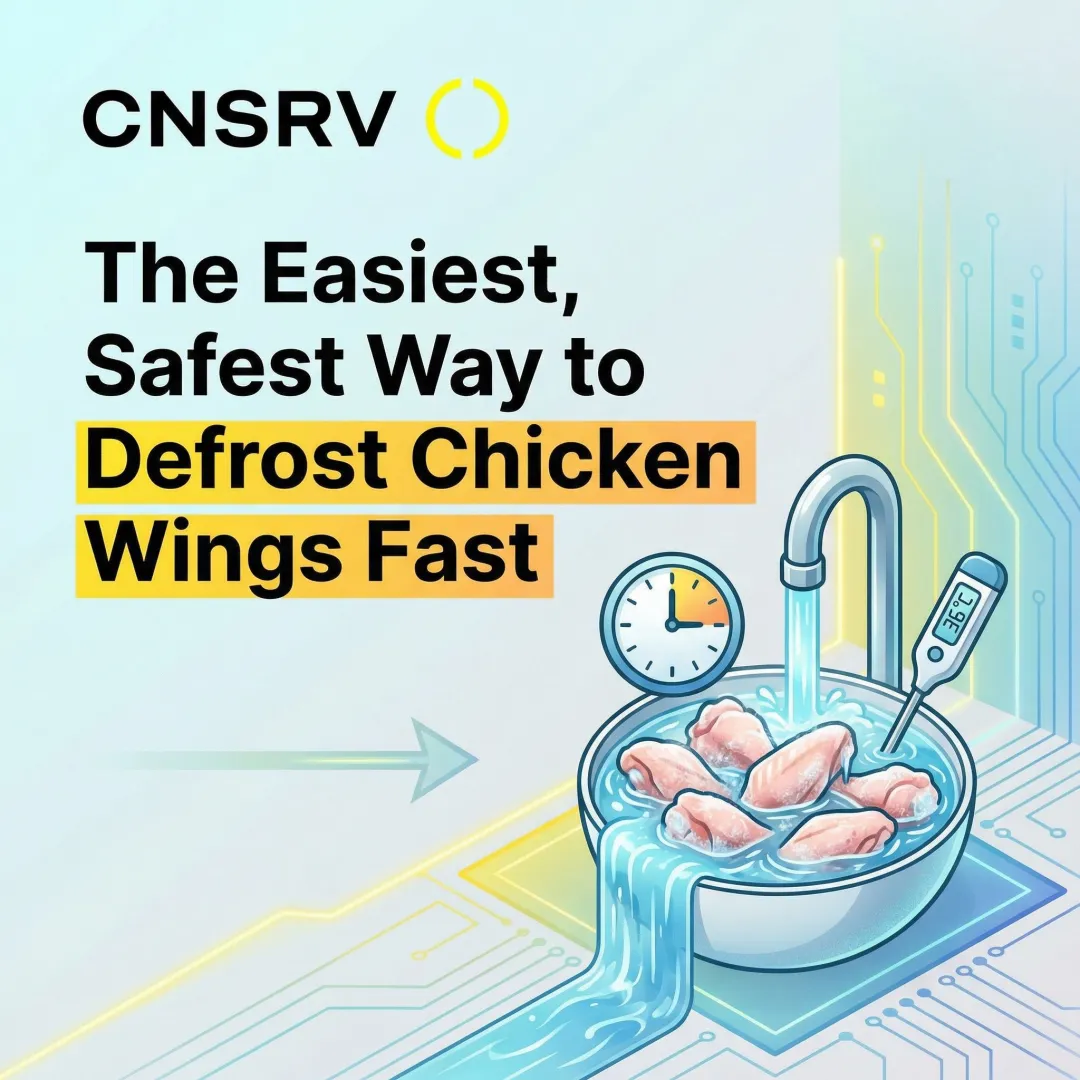
Set a timer for 30 minutes immediately. Water changes every 30 minutes are a food safety requirement, not a suggestion. The USDA mandates water changes every 30 minutes to prevent the water temperature from rising into the danger zone as it absorbs cold from the frozen chicken.
Watch for signs of package failure: cloudiness in the water or visible chicken juices indicate a breach. If this occurs, immediately remove the chicken, drain the water, reseal in a fresh bag, and start with a new salt solution.
Step 4: Change Water and Check for Completion
Every 30 minutes, drain the salt water completely and prepare a fresh solution using the same 2 tablespoons per quart ratio. The water temperature drops significantly during thawing, reducing both efficiency and safety margins.
Check for thaw completion by pressing the thickest parts of the chicken—they should feel pliable with no hard, frozen core. For chicken breasts, this typically occurs after 35-45 minutes. For a 3-4 lb whole chicken, expect 1.5-2 hours total.
Once fully thawed, remove the chicken from water immediately. Cook within 1-2 hours or refrigerate if a slight delay is needed. Never refreeze raw chicken thawed by the cold water method without cooking it first.
Defrosting Time Estimates:
- 1 lb boneless chicken breasts: 35-45 minutes
- 2 lbs chicken thighs: 45-60 minutes
- 3-4 lb whole chicken: 1.5-2 hours
- Individual drumsticks or wings: 30-40 minutes

When Should You Use the Salt Water Defrost Method?
Use this method when you need to cook chicken within 1-3 hours but forgot to transfer it from freezer to refrigerator the night before.
Ideal situations for salt water thawing:
- Unexpected last-minute guests arriving in a few hours
- Forgot to thaw chicken yesterday
- Small to medium chicken portions (under 4 lbs)
- Can monitor and change water every 30 minutes
However, this method isn't appropriate in every situation.
When NOT to use salt water thawing:
- You have 24+ hours to plan ahead (refrigerator thawing is safer)
- Chicken pieces larger than 4 pounds
- You can't check and change the water every 30 minutes
- You're multitasking and might forget about it
What You Need Before Using the Salt Method
Equipment Requirements
- Food-safe container: Stock pot, large bowl, or clean sink basin large enough for full submersion
- Leak-proof packaging: Original sealed package or heavy-duty freezer bags
- Plate or weight: To keep floating chicken fully submerged
- Kitchen thermometer: Verifies water stays in the 40-70°F safe zone
Materials and Ingredients
- Regular table salt or kosher salt: About 1/2 cup per gallon of water
- Cold tap water supply: Enough for initial fill plus water changes every 30 minutes
- Access to drain: For quick water changes every 30 minutes
The salt lowers water's freezing point, allowing faster heat transfer to frozen chicken while maintaining safe temperatures.
Safety and Timing Readiness
- Uninterrupted availability: You must change water every 30 minutes
- Immediate cooking plan: Cook chicken within 1-2 hours after thawing
- Timer or alarm: Prevents missing 30-minute water change intervals
This method requires active monitoring. If you can't commit to 30-minute water changes, refrigerator thawing is safer.
Key Parameters That Affect Defrosting Speed and Safety
Salt Concentration in Water
Salt accelerates thawing through two mechanisms: freezing point depression and enhanced thermal conductivity.
When sodium chloride dissolves in water, it lowers the freezing point below 32°F (0°C), allowing the water to remain liquid at colder temperatures while maintaining better contact with the frozen surface.
Research on thawing methods demonstrates that salt water immersion reduces thawing times significantly compared to plain water due to enhanced convective heat transfer coefficients.
Optimal concentration: 2-3% salt solution (2 tablespoons per quart)
Concentration matters:
- More than 3 tablespoons per quart: Diminishing returns on speed; risk of unintended brining through packaging imperfections
- Less than 1 tablespoon per quart: Negates most acceleration benefits

Water Temperature and Change Frequency
Water must stay cold throughout the process—between 40-70°F. Bacteria multiply rapidly in the "Danger Zone" between 40°F and 140°F, doubling every 20 minutes under optimal conditions.
Warm or hot water creates a dangerous scenario. The outer layer reaches unsafe temperatures while the center remains frozen, creating ideal conditions for bacterial growth.
Why change water every 30 minutes:
- Water temperature drops as it absorbs cold from frozen chicken, reducing efficiency
- If water rises above 70°F, chicken surface enters the danger zone
Chicken Size, Thickness, and Packaging
Thickness matters more than total weight. A flattened chicken breast defrosts much faster than a thick whole bird of the same weight because heat must penetrate a shorter distance to reach the center.
Heat transfer efficiency factors:
- Packaging thickness creates minor resistance (plastic slows heat transfer slightly)
- Air pockets inside bags act as major insulators—remove all excess air
- Surface area contact determines heat transfer rate
Water conducts heat more than 20 times more efficiently than air, which explains why water immersion thaws dramatically faster than refrigerator air circulation.
Thick packaging or trapped air between water and meat reduces this advantage significantly.

Common Mistakes When Using the Salt Water Method
Even experienced cooks make these errors, which compromise either food safety or chicken quality. Avoid these four critical errors:
Using warm or hot water — This creates bacterial growth conditions on outer layers while the center remains frozen. The USDA clearly warns against this practice, yet consumer surveys show approximately 14% still use warm water for thawing.
Skipping water changes — Less than 11% of consumers change water every 30 minutes as recommended. As water temperature rises from absorbing the chicken's cold, it enters the danger zone.
Using incorrect salt amounts — Too much salt (over 3 tablespoons per quart) begins to brine the chicken, affecting flavor and texture. Too little (under 1 tablespoon per quart) provides minimal benefit.
Leaving chicken in water after thawing — Remove chicken immediately once thawed. Extended water exposure degrades texture and unnecessarily extends time in the danger zone.
Troubleshooting Issues During Salt Water Defrosting
Problems can occur even when following instructions carefully. Quick adjustments prevent food safety issues and ensure optimal results.
Water becomes cloudy or chicken juices leak into solution
This indicates package breach—a serious food safety concern. Immediately remove the chicken and drain the water completely.
Check the packaging damage: if it's a small tear, reseal the chicken in a fresh, heavy-duty freezer bag. If the chicken has been exposed to water for more than a few minutes, check whether the outer layer has begun to absorb excess water by pressing gently. Waterlogged meat will feel spongy.
Start with a completely new salt water solution. Don't add more salt to the contaminated water, as bacteria from the environment may have entered the solution.
Chicken outer layers feel soft but center remains frozen solid after 2+ hours
Likely causes:
- Chicken is larger than 4 pounds (too large for this method)
- Water changes were delayed or skipped
- Initial water temperature was too cold (below 40°F)
Solutions:
Increase water change frequency to every 20 minutes instead of 30. Verify water temperature is in the optimal 50-60°F range—slightly warmer water (while staying below 70°F) provides better heat transfer. If the chicken exceeds 4 pounds, consider finishing the thaw in the refrigerator to avoid extended danger zone exposure.
Outer surface of chicken feels warmer than it should
Water temperature has likely risen above 70°F, which means the chicken surface is approaching or entering the danger zone. Immediately drain and replace with fresh cold salt water solution.
If the chicken has been in warm water for more than 30 minutes, use a food thermometer to check the surface temperature. If any part reads above 40°F and has been at that temperature for an extended period, bacterial growth risk increases significantly.
When in doubt, discard the chicken rather than risk foodborne illness.
Alternatives to the Salt Water Defrost Method
While salt water is fast, other methods may be better depending on your timeline, chicken size, and food safety priorities.
Refrigerator Thawing (Safest Method)
This is the gold standard for food safety. The USDA recommends refrigerator thawing as the safest method because it keeps chicken at a consistent, safe temperature.
The process is completely hands-off throughout the entire thaw.
Timeframe: Allow 24 hours for every 5 pounds of chicken. Even a 1 lb package of boneless breasts requires a full day to thaw completely.
Advantages:
- Keeps chicken safely below 40°F throughout the process
- You can refreeze it without cooking if plans change
- Remains safe for 1-2 additional days in refrigerator after thawing
- No monitoring required
Best for: Advance meal planning when you have 24-48 hours notice.
Cold Water Without Salt (USDA Standard Method)
Plain cold water thawing follows the same safety protocols as the salt method but takes 25-50% longer without salt's chemical boost.
Timeframe: Approximately 1 hour for 1 lb chicken breasts, 2-3 hours for a 3-4 lb whole chicken.
Advantages:
- The most widely recommended safe water method
- Eliminates any concern about salt absorption
- Still dramatically faster than refrigerator thawing
Best for: Same-day cooking needs when you prefer the most widely recommended safe water method.

Commercial Defrosting Systems (For High-Volume Operations)
Professional kitchens and restaurants handling significant volumes benefit from automated systems that eliminate manual water changes while maintaining strict food safety compliance.
These commercial-grade systems deliver multiple advantages:
- Defrost in half the time of traditional running faucet methods
- Use 98% less water—saving up to 1,000,000 gallons annually per kitchen
- Maintain precise temperature regulation below 70°F with controlled water agitation
- Remove human error, ensuring consistent results for every defrost cycle
Systems like CNSRV's DC:02 use NSF-listed technology with water agitation at 130 gallons per minute, meeting health code standards while dramatically reducing water waste.
These systems are designed for restaurants, hotels, healthcare facilities, and other commercial operations with frequent, high-volume defrosting needs.
Frequently Asked Questions
Does adding salt to water make it defrost faster?
Yes. Salt lowers water's freezing point and improves heat transfer. Research shows salt water immersion reduces defrosting time by 30-40% compared to plain cold water.
How long should I defrost chicken in the fridge?
The USDA recommends allowing 24 hours for every 5 pounds of chicken. Even small portions like 1 lb of boneless breasts require a full day. This is the safest method for advance planning, keeping chicken at a consistent safe temperature throughout the thawing process.
Why does chicken defrost faster in cold water?
Water conducts heat about 20 times more efficiently than air. The constant contact with water molecules transfers heat faster than refrigerator air, even at similar temperatures.
Does salt water affect the taste of the chicken?
No, if chicken stays sealed in leak-proof packaging. However, if packaging leaks and salt water contacts the meat directly, it may absorb some salt similar to a light brine, slightly affecting flavor.
Can you refreeze chicken after defrosting with salt water?
The USDA recommends not refreezing raw chicken thawed by the cold water method unless it's cooked first. Refreezing without cooking will significantly compromise quality and texture. Chicken thawed in the refrigerator can be refrozen without cooking, though quality may still suffer.
Is it safe to cook chicken immediately after defrosting?
Yes. Chicken defrosted by the cold water method should be cooked immediately or within 1-2 hours. All poultry must reach an internal temperature of 165°F measured with a food thermometer.