Introduction
The difference between a dish that tastes "fine" and one that tastes extraordinary often comes down to intentional flavor pairing — yet most kitchen teams are still guessing instead of using a system.
Professional chefs and foodservice operators rely on proven combinations, not instinct alone, to build consistent, memorable menus. A flavor pairing chart is a visual tool that maps which ingredients share aromatic compounds or complementary taste profiles, giving culinary professionals a repeatable framework for impressive results.
This guide covers the science behind flavor pairing, how to read and apply different chart formats, and a breakdown of essential pairings across major food categories. Whether you're building a cocktail menu, perfecting a protein dish, or experimenting with desserts, understanding flavor pairing charts transforms guesswork into strategy.
TLDR
- Flavor pairing theory relies on shared aromatic compounds and complementary taste profiles
- Charts come in three formats: radial wheels, grid matrices, and taxonomy trees
- Use charts as starting points, not rigid rules; layer pairings for complex dishes
- Master the five basic tastes (sweet, salty, sour, bitter, umami) to interpret any chart
- Contrasting flavors (sweet vs. sour, bitter vs. fat) often work as well as complementary ones
What Is Flavor Pairing Theory?
Flavor pairing theory is built on a simple premise: ingredients that share key volatile aromatic compounds tend to taste harmonious together. While taste buds detect only five basic sensations, the majority of what humans perceive as "flavor" comes from aroma. Research suggests that 75-95% of flavor perception is driven by olfaction — the sense of smell — rather than taste alone.
Two Approaches to Pairing
Shared Compounds Method: Ingredients pair well when they share key aroma molecules. For example, chocolate and blue cheese both contain methyl ketones produced during fermentation, creating an unexpected but effective pairing.
Contrast Method: Pairing by complementary opposites — sweet and salty, acid and fat — creates balance rather than harmony. Honey on blue cheese tames bitterness through contrast, not compound overlap.
In practice, neither method is superior — the strongest pairings often use both. A dish might lean on shared compounds for its backbone while contrast adds the edge that makes it interesting.
The Five Basic Tastes
Understanding the five basic tastes provides the scaffolding beneath any pairing decision:
- Sweet — Detected by receptors responding to sugars and some proteins
- Salty — Amplifies other flavors and suppresses bitterness
- Sour — Acids that brighten and cut richness
- Bitter — Often balanced by fat or sweetness
- Umami — Savory depth from glutamates, found in aged cheeses, mushrooms, and tomatoes

Acid brightens, salt enhances, umami adds depth, and fat carries flavor. Knowing which taste does what lets you diagnose a dish that's off — and fix it with precision rather than guesswork.
Landmark Resources
The Flavor Bible by Karen Page and Andrew Dornenburg codified flavor pairing for culinary professionals by surveying top chefs about ingredient affinities. It introduced "flavor bouncing" — chaining ingredients so each new addition pairs with every component already in the dish.
A simple example: start with white beans, add bacon (pairs with beans), then add apple (pairs with both). Every link in the chain has to hold.
Taste vs. Flavor
Many cooks conflate taste and flavor, but they're distinct:
- Taste is detected by taste buds on the tongue (sweet, salty, sour, bitter, umami)
- Flavor is the full sensory experience including aroma, texture, temperature, and visual cues
When you eat, aromas travel from the back of your mouth to your nose (retronasal olfaction), creating the complex perception we call flavor. This is why food tastes bland when you have a cold — your sense of smell is compromised.
How to Read and Use a Flavor Pairing Chart
Flavor pairing charts appear in three common formats, each with specific reading protocols.
Chart Formats
- Radial/Wheel Charts place a central ingredient at the hub, with spokes radiating outward to compatible companions. Start at the center with broad categories (such as "Fruity") and move outward to specific descriptors ("Citrus" → "Grapefruit"). The UC Davis Wine Aroma Wheel and the SCA's Coffee Taster's Flavor Wheel both follow this format.
- Grid/Matrix Charts let you cross-reference rows and columns of ingredients to find shared compound density or affinity scores — find the intersection of two ingredients to read compatibility strength. FlavorDB and most molecular pairing databases use this layout.
- Taxonomy/Tree Charts group ingredients into flavor families (Roasted, Meaty, Floral). Locate your ingredient's family, then explore adjacent compatible groups. The Flavor Thesaurus and Foodpairing graphs rely on this structure.
Step-by-Step Usage
Once you've identified which chart format you're working with, the process follows the same core sequence:
- Identify your anchor ingredient — the main component of your dish
- Locate its flavor family on the chart (citrus, earthy, sweet, etc.)
- Identify classic pairings (strong connections) and adventurous pairings (weaker but interesting connections)
- Cross-reference with a second chart to validate the pairing
Layering Pairings
Don't stop at two ingredients — build a flavor map by finding a bridge ingredient that connects the first two, even if those two don't share compounds. Ginger, for example, bridges citrus and rich fats because it carries citrus notes while also pairing well with fatty proteins. This principle drives the complexity behind layered dishes and well-constructed cocktails.
Charts Are Starting Points
Regional traditions, cooking technique, and individual palate all modify how pairings land in practice. A pairing that works on paper may fall flat if textures clash or temperatures mute aroma release. Test combinations in small quantities first, adjusting based on actual taste rather than theoretical compatibility.
Flavor Pairing Charts by Food Category
Fruits
Essential fruit pairings for cooking, baking, and beverages:
Citrus Fruits (Lemon, Orange, Lime):
- Vanilla (enhances perceived sweetness)
- Ginger (adds spicy brightness)
- Tropical fruits (shared citrus notes)
- Herbs (basil, mint, rosemary)
Berries (Strawberry, Raspberry, Blueberry):
- Stone fruits (peach, cherry)
- Chocolate (especially dark chocolate)
- Cream and dairy
- Basil and mint
Tropical Fruits (Mango, Pineapple, Papaya):
- Chili (fructose reduces capsaicin burn by 37%)
- Coconut (shared tropical esters)
- Lime (brightens sweetness)
- Ginger (adds warmth)
Beverage Pairings:
- Strawberry + basil (popular cocktail pairing)
- Grapefruit + rosemary (herbal citrus contrast)
- Peach + ginger (stone fruit with spice)
- Watermelon + mint (cooling summer pairing)
Herbs, Spices & Aromatics
Classic herb and spice pairings organized by application:
| Herb/Spice | Pairs With | Application |
|---|---|---|
| Basil | Tomato, mozzarella, lemon | Italian dishes, salads |
| Rosemary | Lamb, root vegetables, potatoes | Roasted meats, vegetables |
| Cumin | Legumes, beef, citrus | Mexican, Indian, Middle Eastern |
| Cinnamon | Apples, chocolate, warming spices | Baking, desserts |
| Tarragon | Chicken, cream, mustard | French sauces, poultry |
| Dill | Fish, cucumber, yogurt | Seafood, cold salads |
Aromatics as Bridge Ingredients:
Garlic, onion, ginger, and shallots connect disparate ingredients through broad aromatic profiles — they anchor the flavor bases of nearly every major cuisine:
- French Mirepoix: 2 parts onion, 1 part celery, 1 part carrot
- Italian Soffritto: Onion, carrot, celery in olive oil
- Chinese Trinity: Scallions, ginger, garlic
- Indian Masala Base: Onion, garlic, ginger
- Cajun Holy Trinity: Onion, celery, green bell pepper

Proteins & Savory Ingredients
Professional kitchens rely on these protein pairings:
Beef:
- Mushrooms (umami synergy)
- Red wine (tannins cut fat)
- Rosemary (resinous contrast)
- Black pepper and thyme
Chicken:
- Lemon (brightens mild flavor)
- Tarragon (classic French pairing)
- Cream (carries aromatics)
- Garlic and thyme
Fish/Seafood:
- Citrus (cuts oiliness)
- Fennel and dill (shared camphor notes)
- Capers (briny contrast)
- White wine and butter
Pork:
- Apple (acidity balances fat)
- Mustard (sharp contrast)
- Sage (earthy aromatics)
- Fennel and garlic
Note that protein moisture directly affects pairing performance — proteins that lose moisture during thawing will mute the flavors they're meant to carry.
Chocolate, Cheese & Other Complex Ingredients
Chocolate Pairings:
- Dark Chocolate: Chili, coffee, raspberry, sea salt
- Milk Chocolate: Caramel, hazelnut, orange
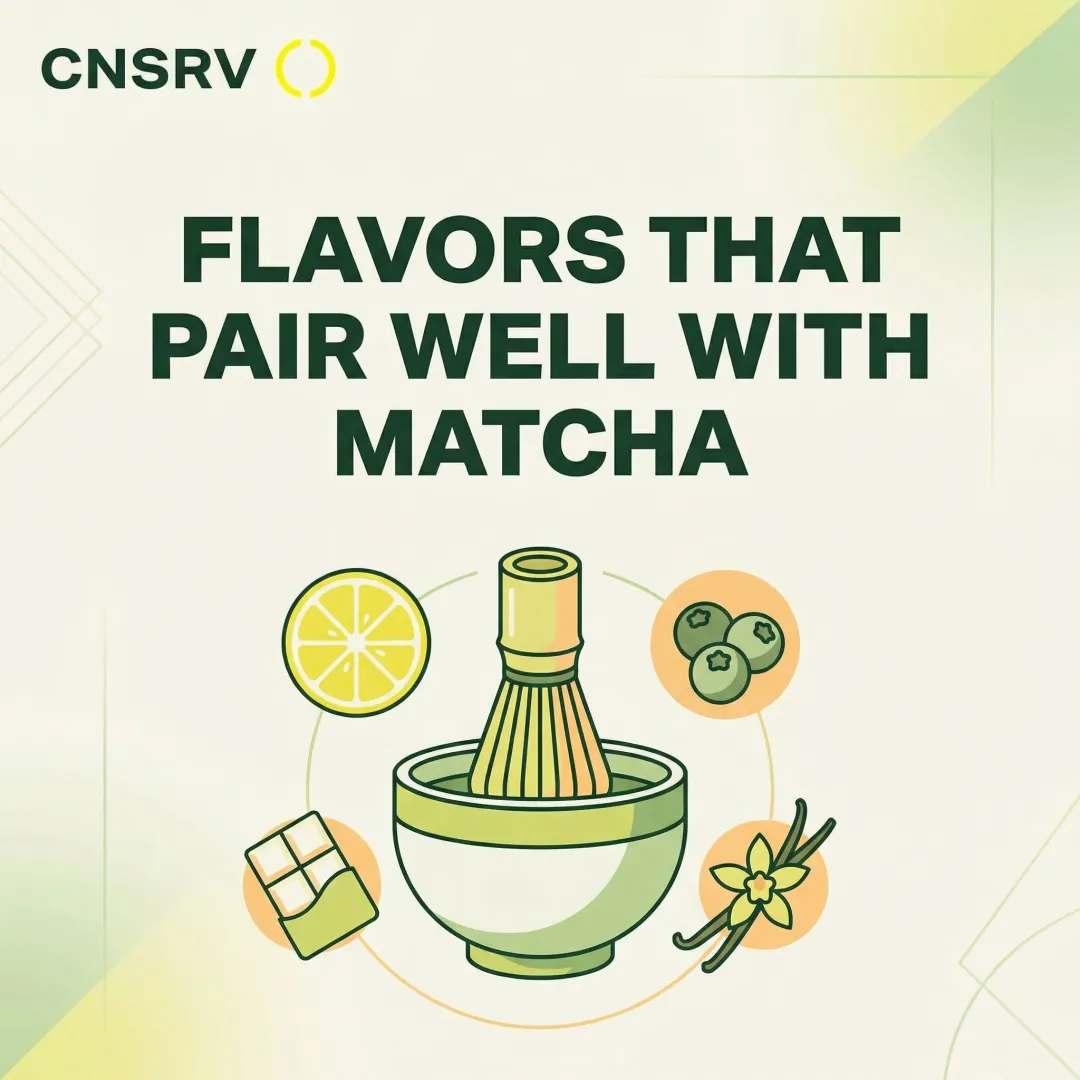
- White Chocolate: Lavender, matcha, citrus
Cheese Pairings:
| Cheese Type | Food Pairing | Beverage Pairing |
|---|---|---|
| Blue Cheese | Dark chocolate, honey, walnuts | Whiskey, port |
| Aged Cheddar | Milk chocolate, apples | Red wine, IPA |
| Brie/Camembert | Grapes, fig jam, almonds | Champagne, chardonnay |
| Manchego | Dried tart cherry, quince paste | Tempranillo, sherry |
Blue cheese and dark chocolate share methyl ketones produced during fermentation and mold ripening, making them a natural pairing. Salt in the cheese enhances the chocolate's sweetness through taste interaction.
Flavor Pairing Principles That Work Every Time
Complement vs. Contrast
Complementary pairings intensify a shared flavor note. Lemon on fish amplifies brightness because both share citrus-forward volatile compounds. Both elements pull in the same direction, making the dominant note louder.
Contrast pairings create balance by offsetting dominant notes. Honey on blue cheese tames bitterness through sweetness, creating dynamic tension rather than harmony. The effect is more interesting precisely because the two elements disagree.
Intensity Matching
Bold, assertive flavors should be paired with equally bold companions. Delicate flavors are overwhelmed by strong ones.
Example: Mild white fish like sole requires lighter accompaniments (lemon, butter, delicate herbs). Robust salmon can handle stronger flavors (miso, soy, ginger, garlic). When intensity is mismatched, the stronger ingredient erases the weaker one entirely.
Fat, Acid, and Salt as Modulators
Once you've matched intensity and chosen a complementary or contrasting direction, these three elements let you fine-tune the result:
- Fat carries and extends flavor by dissolving aroma molecules, holding them in the mouth for retronasal perception
- Acid cuts richness and brightens flavors, providing contrast to heavy dishes
- Salt amplifies all other taste signals and suppresses bitterness
They're also your best troubleshooting tools. Flat dish? Add acid. Muted flavors? Add salt. Aromatics fading fast? Add fat.
Flavor Pairing Mistakes to Avoid
Pairing Too Many Bold Flavors
The most common mistake is pairing too many competing bold flavors at once, creating noise rather than harmony. A well-paired dish typically has:
- One dominant flavor (the anchor that defines the dish's identity)
- One supporting flavor (reinforces or contrasts the anchor)
- One accent (adds complexity without competing)

More than three strong flavors often results in confusion rather than depth.
Ignoring Texture and Temperature
Flavors that work on paper can feel off when textures clash or temperature differences mute aroma release. Warm foods release more volatile compounds than cold foods, making aroma more pronounced. Thicker foods release aroma more slowly than thinner ones, which affects how quickly a pairing registers on the palate.
Example: Serving a delicate herb sauce ice-cold mutes its aromatic profile. Warming it slightly releases volatiles, making the paired flavors more expressive. For textural contrast, pairing something crispy (fried shallots, toasted breadcrumbs) against a creamy base gives the dish dimension beyond flavor alone.
Ignoring Cultural Context
Some pairings that are unusual in one cuisine are traditional in another. Chocolate with chili is standard in Mexican cuisine (dating to 200 BCE in Mesoamerica), but unfamiliar in European traditions. East Asian cuisines often prioritize contrasting compounds rather than shared ones, creating balance through opposition.
Before dismissing an unusual combination, check whether a regional cuisine has already validated it. World flavor traditions are a better starting point than experimenting from scratch.
Frequently Asked Questions
What flavors are good together?
Complementary pairings (sharing flavor notes, like lemon and herbs) and contrasting pairings (offsetting opposites, like sweet and salty) both work. The best starting point is to identify the dominant taste profile of your main ingredient and choose companions that either echo or balance it.
What is the flavor pairing theory?
Flavor pairing theory holds that ingredients sharing key volatile aroma compounds tend to taste harmonious together. Because the majority of what we perceive as flavor comes from smell rather than taste buds alone, aromatic compatibility is the foundation of successful pairings.
What fruit flavors complement each other?
The most reliable fruit combinations include citrus with tropical fruits (shared bright esters), berries with stone fruits (complementary sweetness and acidity), and apple or pear with warming spices like cinnamon and ginger. These pairings work across both sweet and savory applications.
How do you use a flavor pairing chart?
Start with your anchor ingredient, find it on the chart, identify its strongest and most adventurous pairings, and then test combinations in small batches. Use the chart as a guide rather than a rule, adjusting based on cooking technique, texture, and personal preference.
What are the 5 basic tastes and why do they matter for pairing?
The five basic tastes are sweet, salty, sour, bitter, and umami. Each plays a distinct role in pairing: acidity brightens flavors, salt enhances perception, umami adds savory depth, sweetness balances bitterness, and fat carries aromatics.
What herbs and spices go well together?
Reliable herb and spice groupings include Mediterranean combinations (basil, oregano, thyme), warm spice blends (cinnamon, clove, nutmeg), and bold aromatics (cumin, coriander, chili). Staying within a single regional tradition is a reliable shortcut when building a blend from scratch.