Introduction
Diners eat with their eyes first—a principle backed by science. Research from Oxford University's Crossmodal Research Laboratory found that artistic plating can increase a diner's willingness to pay by nearly 45% for appetizers and over 30% for main courses. Visual presentation directly influences perceived taste, value, and overall dining satisfaction, which means plating is a skill no serious kitchen can afford to ignore.
This guide covers core plating principles, six modern techniques, practical tips for consistency during high-volume service, and essential tools. It's built for restaurant and foodservice professionals who need to deliver impressive plates without sacrificing speed or efficiency.
TLDR:
- Artistic plating increases perceived value by up to 45%, supporting higher menu pricing
- Master six core techniques: clock method, stacking, minimalist, freeform, landscape, and sauce artistry
- Consistency requires plating guides, mise en place discipline, and proper protein prep
- Essential tools include squeeze bottles, offset spatulas, ring molds, and precision tweezers
- Social media-worthy presentation drives discovery—79% of Millennials consider Instagram appeal when choosing restaurants
Why Modern Plating Techniques Matter for Your Restaurant
Visual presentation is no longer just an aesthetic choice—it's a measurable revenue driver. According to OpenTable, 79% of Millennials consider a restaurant's Instagram or TikTok-worthiness when deciding where to dine, while 54% of consumers use social media platforms to discover new restaurants. In 2024, restaurants reported an average 9.9% increase in revenue directly attributed to social media strategies, with social-first brands seeing gains of 14.1%.
An Oxford study on plating perception found that identical ingredients plated artistically commanded significantly higher prices than traditionally plated versions—$5.94 versus $4.10 for appetizers, and $15.35 versus $11.65 for main courses. Elevated presentation doesn't just fill seats; it gives you cover to charge more for the same food.

Today's restaurants have moved away from the heavy, overcrowded plates of decades past. Clean presentations built on negative space, color contrast, and controlled height now dominate fine dining and casual-upscale menus alike—because they let the ingredient quality speak for itself.
Core Principles Behind Great Food Plating
Plate as Canvas
Professional chefs approach every dish with compositional intent. Before placing a single ingredient, consider plate size, shape, and color. White or neutral plates remain the most versatile choice because they provide maximum color contrast, allowing vibrant ingredients to stand out against a clean backdrop.
Odd Numbers and the Rule of Thirds
Placing food in groups of three or five creates more natural, dynamic compositions than symmetrical even groupings. Apply the rule of thirds by mentally dividing your plate into a 3×3 grid and anchoring key elements at the intersection points rather than dead center. This photographic principle prevents static, bull's-eye presentations and guides the diner's eye naturally across the dish.
Color Contrast and Visual Balance
Color contrast prevents visual monotony and signals ingredient variety. Pairing vibrant vegetables against neutral proteins or bright sauces against dark plates creates immediate visual interest.
Practical color pairings:
- Golden seared halibut with purple cabbage slaw and lime-green herb oil
- Deep red beet purée against a white plate with charred orange carrots
- Black squid ink pasta with bright cherry tomatoes and fresh basil
Texture as a Design Element
Contrasting textures—smooth purées, crunchy vegetable chips, crispy fried elements, creamy sauces—adds visual interest and makes each bite more satisfying. A dish built entirely from soft components falls flat; crispy garnishes and crunchy elements give diners something to notice with every forkful.
Negative Space
Leaving intentional empty space focuses the diner's eye on the hero ingredients. This minimalist approach, influenced by Japanese Kaiseki traditions, has become a defining feature of modern fine dining.
Overcrowding is the most common plating mistake — resist the urge to fill every inch. In minimalist presentations, aim to leave at least 30% of the plate empty.
6 Modern Plating Techniques to Master
Each technique below suits different service styles and kitchen contexts — start with one that fits your current menu, then layer in others as your team's confidence grows.
Classic (Clock Method)
The clock plating method positions protein between 3 and 9 o'clock, starch at 10 o'clock, and vegetables at 2 o'clock. This structured approach remains the foundation taught in professional culinary programs like Le Cordon Bleu and suits formal or fine dining menus. It delivers consistency during high-volume service and provides a reliable framework for kitchen teams learning plating fundamentals.
Stacking and Height
Vertical stacking creates dimension and sophistication by layering ingredients upward—protein over a mashed potato base, topped with vegetable garnish. This technique adds drama while helping retain heat, making it ideal for bistro-style mains and appetizers. Caution: over-stacking makes dishes difficult to eat and can collapse during service. Limit height to three layers maximum for stability.
Minimalist Plating
Minimalist technique emphasizes high-impact simplicity: fewer components, purposeful placement, premium ingredient quality on full display. Modern fine dining and omakase menus rely on this approach because every component earns its place — nothing hides behind clutter. Leave significant negative space (30% or more of the plate) and focus on flawless execution of 3-5 components rather than crowding the composition.
Freeform and Deconstructed Plating
Freeform is an artistic, asymmetrical approach that breaks traditional grid rules. Ideal for deconstructed dishes where individual components—such as a deconstructed tiramisu or burger—are scattered with intentional energy across the plate. Confidence and practice separate intentional freeform from sloppy plating. Use sauce streaks or ribbons to tie scattered components together into a coherent composition.
Nature-Inspired and Landscape Plating
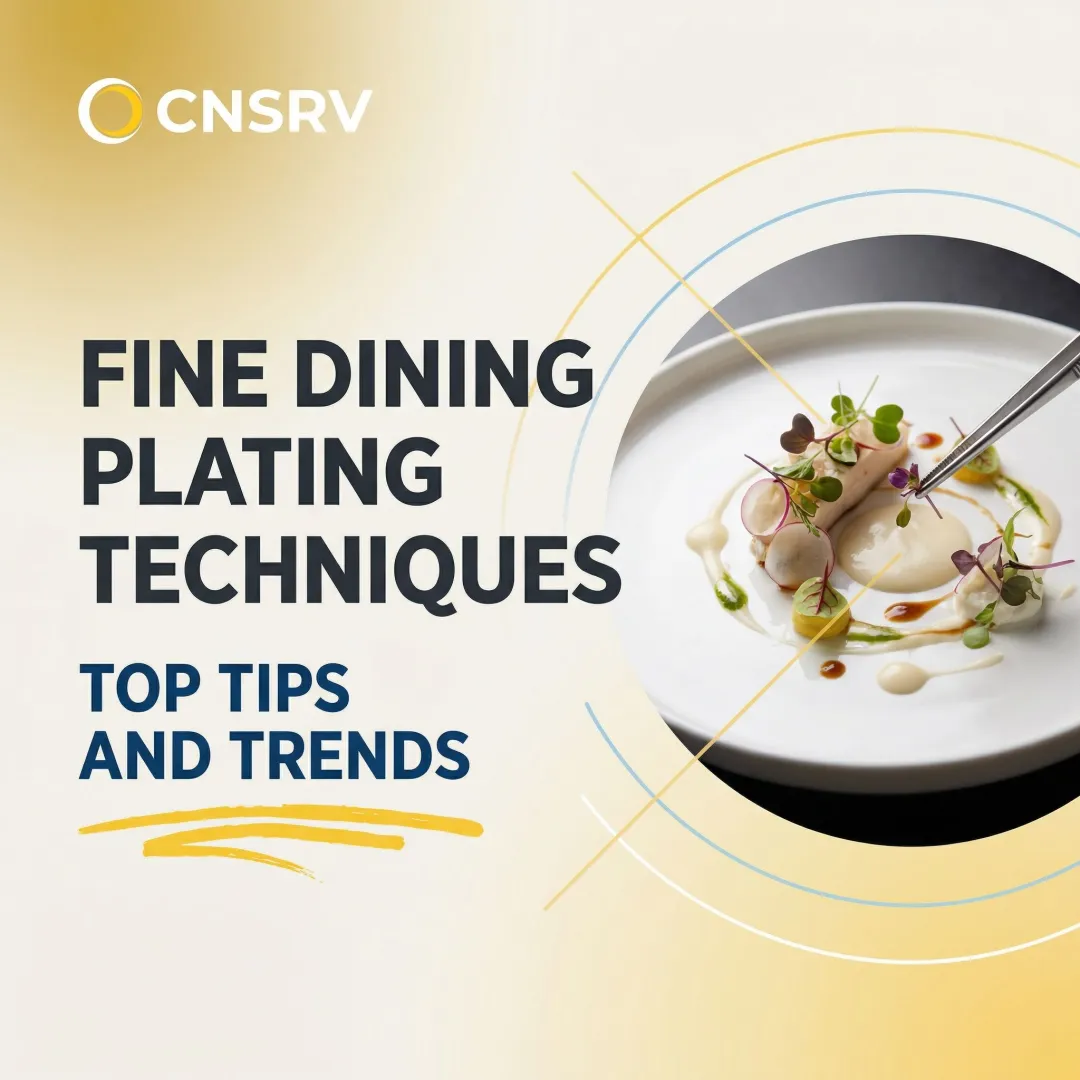
Landscape plating mimics organic environments using edible flowers, microgreens, herb oils, and earthy textures. Food is arranged low and long across the plate, inspired by New Nordic cuisine and farm-to-table movements. Sustainability-focused kitchens gravitate toward this style because it lets the ingredient story carry as much weight as the flavor — especially effective when menus lead with seasonality and local sourcing.
Sauce Artistry
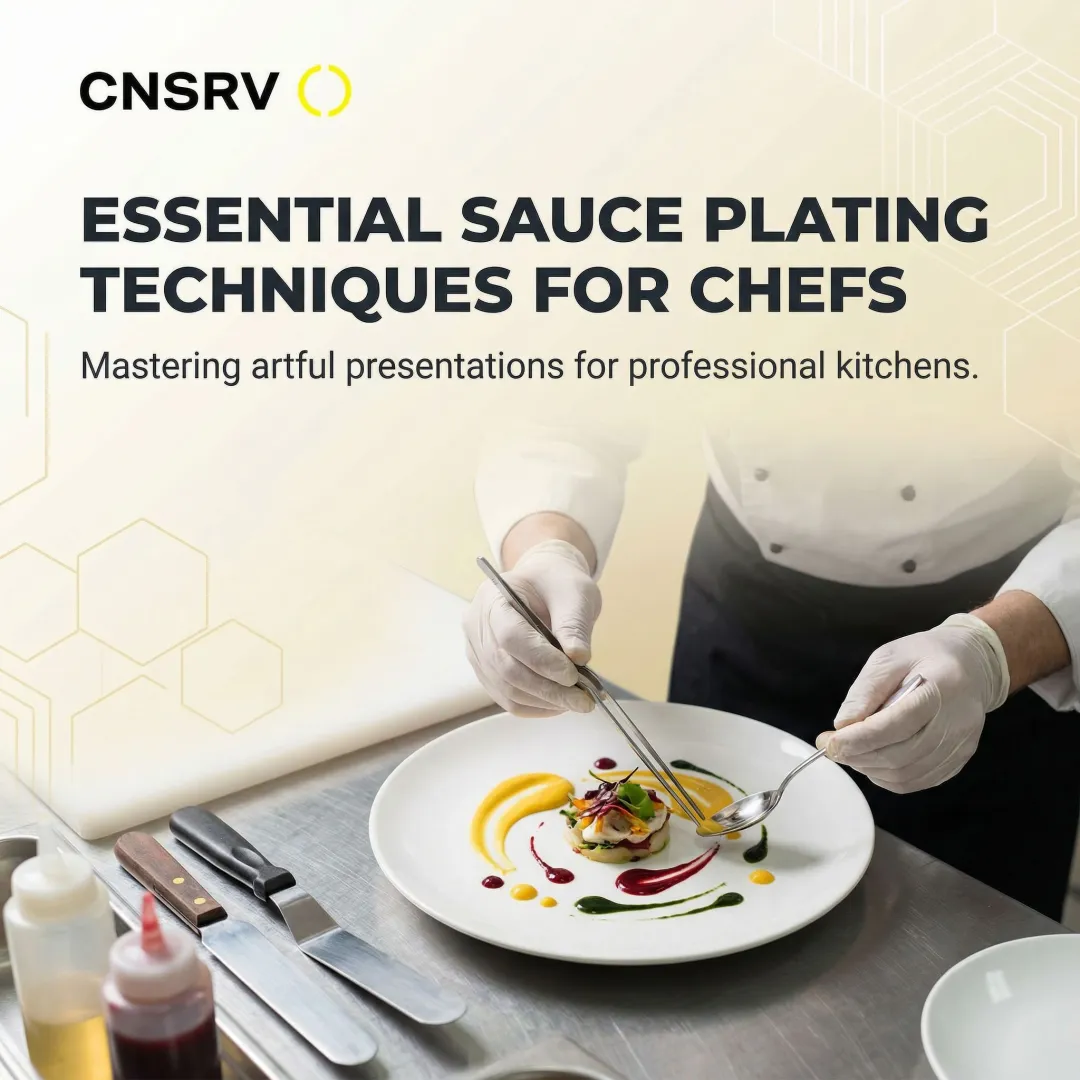
Sauce is a design medium, not just a flavor element. Master these four techniques:
- Drag a pastry brush across the plate for bold, dramatic color sweeps (brushstrokes)
- Let sauce flow naturally over plated food for organic movement (drizzling)
- Place small uniform drops to build pattern and visual rhythm (dotting)
- Flick sauce sparingly for color and energy in freeform presentations (splattering)

Each technique serves different aesthetic goals. Brushstrokes suit minimalist presentations, while splattering adds energy to freeform compositions.
Professional Tips for Consistent, Impressive Plating
Mise en Place for Plating
Having all components prepped, portioned, and at the correct temperature before plating begins prevents rushed, inconsistent presentations during high-volume service. Portion sauces into squeeze bottles, pre-cut garnishes, and keep all tools within arm's reach. This single habit does more for consistency than any plating technique.
Build a Plating Guide
Create a visual reference sheet—essentially a photo standard—for each dish on your menu. This guide allows kitchen staff to match the intended presentation during service and is especially valuable for multi-cook or multi-location operations trying to maintain brand consistency. Update photos seasonally as ingredients change.
Ingredient Quality Is the Foundation
Improperly defrosted proteins arrive at the plate with poor color, uneven texture, and excess moisture. No amount of plating skill compensates for compromised ingredient quality.
Traditional running-faucet defrosting creates inconsistent results and degrades protein surface quality. Systems like the CNSRV DC:02 use controlled water agitation and temperature regulation to ensure proteins are plate-ready every time.
Plate Edge Discipline
Wipe plate edges clean before service—a simple step that separates professional presentation from amateur attempts. Use a clean, damp towel and check every plate. Also follow the rule of plating from back to front, building height deliberately as you work forward.
Train Your Kitchen Teams
Brief visual plating demos at the start of each service keep standards fresh. Designate a "plating lead" during high-volume rushes to maintain consistency without slowing down ticket times. That person's responsibilities should include:
- Reviewing each plate before it leaves the pass
- Providing real-time coaching on technique
- Flagging any ingredient quality issues before they reach the guest
Essential Plating Tools Every Kitchen Needs
Core Plating Toolkit:
- Squeeze bottles with fine stainless tips for precise sauce placement, dotting, and thin line work
- Offset palette knives (4-inch and 10-inch) for smooth spreads and clean food transfers
- Ring molds to control portioning and build vertical height in stacked presentations
- 30cm straight tweezers for micro-garnish placement — the professional standard for detail work

Secondary Tools That Elevate Presentation:
- Piping bags for controlled placement of creams, mousses, and decorative finishing work
- Microplane graters (18/8 stainless steel) for finishing zest, hard cheese, and chocolate
- Small spoons or ladles for quenelling soft ingredients like ice cream and mousse
Dull squeeze bottle tips, warped spatulas, or dirty ring molds will undermine plating quality regardless of technique. Cost matters less than condition. Clean tools thoroughly after each service and replace worn items before they create inconsistency on the plate.
Frequently Asked Questions
What is the most important rule in food plating?
There are no absolute rules, but intentionality is key: every component on the plate should be there for a reason (flavor, texture, or visual purpose). Starting with the rule of thirds and negative space gives beginners a reliable foundation.
What tools do professional chefs use for plating?
The essential toolkit includes squeeze bottles, offset spatulas, ring molds, and precision tweezers. Even basic versions of these tools can significantly elevate plating quality and are standard in professional kitchens.
How do you plate food to make it look professional?
Three quick wins: wipe plate edges clean, use odd numbers of components, and ensure every garnish is edible and purposeful rather than decorative filler. These fundamentals separate amateur from professional presentations.
What is the difference between classic and freeform plating?
Classic plating follows structured placement rules (like the clock method) for a formal, balanced look. Freeform is intentionally asymmetrical and artistic, making it better suited for creative or modern gastronomy menus where the chef's vision takes priority.
How do restaurants maintain plating consistency during high-volume service?
Use plating reference sheets (photo guides for each dish), designate a plating lead during peak service, and ensure thorough mise en place so all components are ready to assemble quickly and identically.
Does plate color and shape affect food presentation?
Yes. White or neutral plates remain the most versatile because they allow food colors to stand out. Round plates suit classic and circular styles, while rectangular or slate surfaces complement minimalist and nature-inspired plating aesthetics.