Introduction
Defrosting meat is a routine task in any commercial kitchen — and one of the most commonly mishandled. According to CDC surveillance data from 2014–2022, "foods remaining out of temperature control for a prolonged period during preparation" contributed to 13.1% of foodborne illness outbreaks where proliferation was a factor. Many of these incidents trace directly back to inadequate time and temperature control during defrosting.
Cold water thawing is one of three USDA-approved methods and a popular choice in commercial kitchens for its speed advantage over refrigerator thawing. It comes with specific safety requirements that are frequently misunderstood or ignored, leading to real food safety failures.
Unlike passive refrigerator thawing, cold water thawing demands continuous active management. Without proper execution — leak-proof packaging, 30-minute water changes, and immediate cooking after thawing — meat surfaces can enter the bacterial Danger Zone while the interior stays frozen.
TL;DR
- Always use sealed, leak-proof packaging to prevent bacterial contamination during cold water thawing
- Change the water every 30 minutes to keep temperatures below 40°F
- Cook meat immediately after thawing; refreezing without cooking first is unsafe
- Plan for about 1 hour per pound — larger roasts may thaw proportionally faster
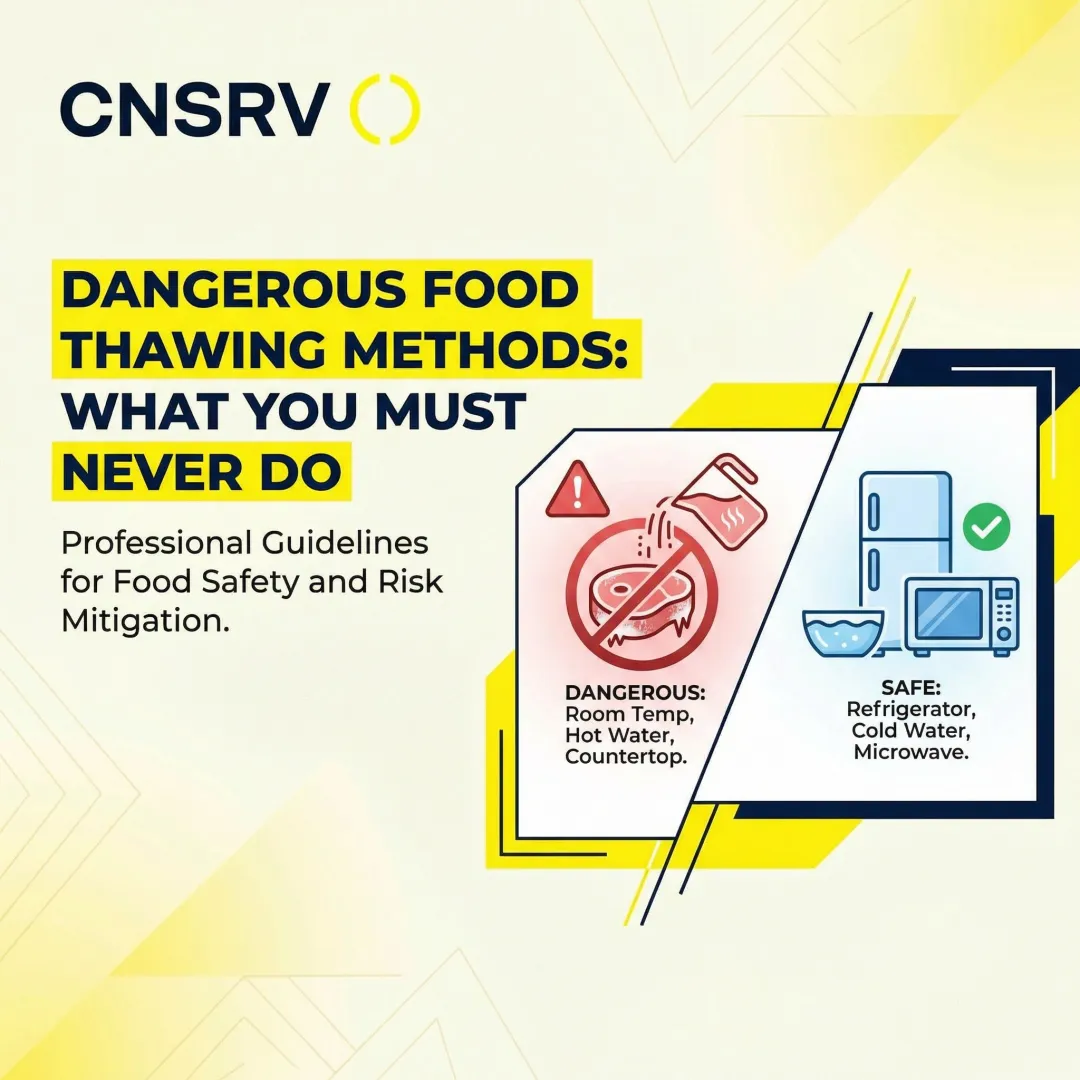
- Never use hot water or thaw on the counter — both allow dangerous bacterial growth
Safety Guidelines for Cold Water Thawing Meat
Cold water thawing is faster than refrigerator thawing but demands hands-on management throughout the process. The core safety risk is bacterial growth: pathogens such as Salmonella and E. coli can multiply rapidly when meat surface temperatures exceed 40°F.
Bacteria can double in number in as little as 20 minutes in the Danger Zone (40°F–140°F). If water isn't refreshed or packaging fails, surface temperatures can climb into this range long before the interior thaws.
General Safety Precautions
Cold water thawing safety depends on handling discipline, not equipment alone. The handler must monitor conditions throughout the entire process. Baseline rules include:
- Always thaw in the kitchen sink or a food-safe container—never in a garage, car, or outdoor area
- Keep the area clean and free of cross-contamination risks from raw meat contact surfaces
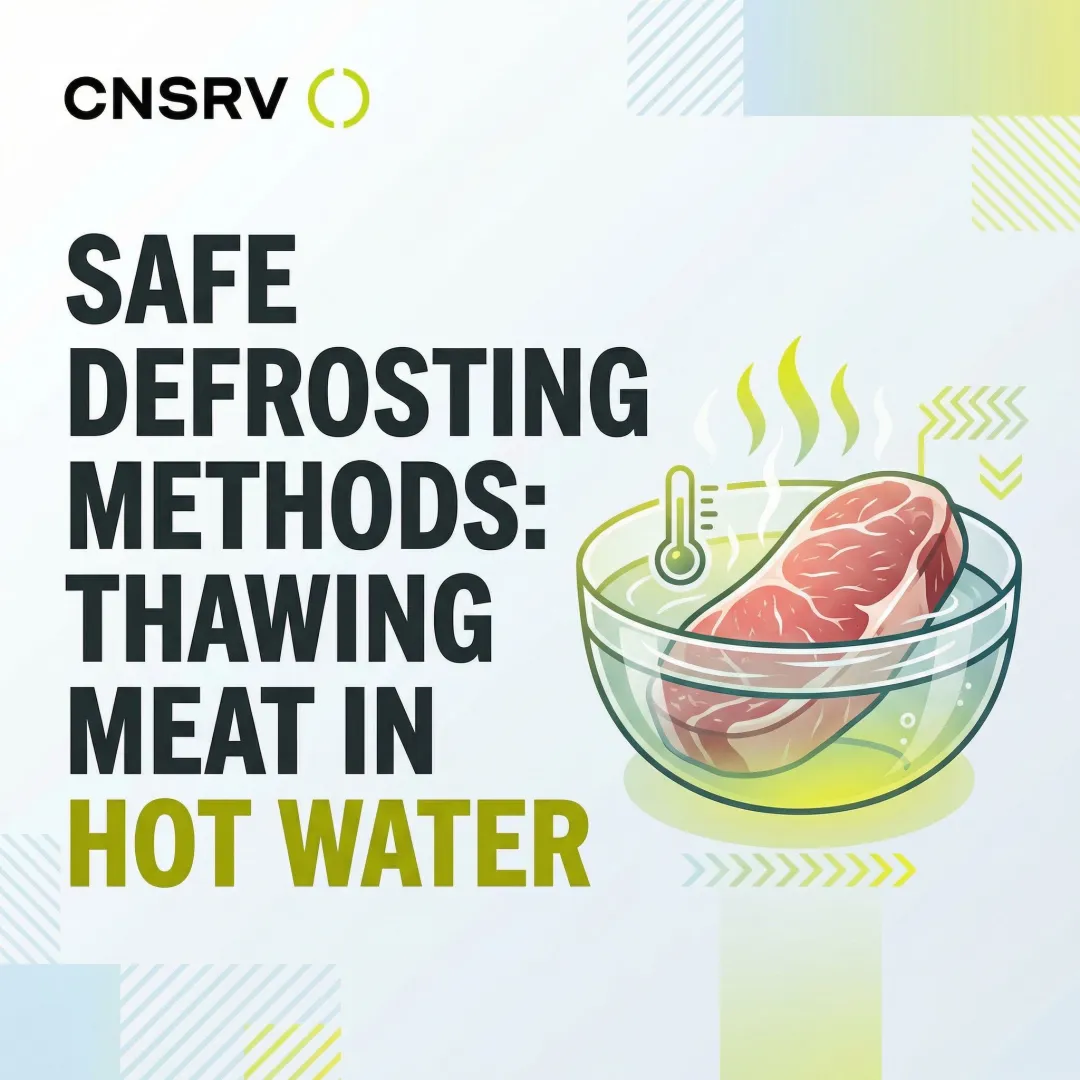
- Never use hot water as a substitute—it warms the meat surface into the Danger Zone before the interior thaws, creating conditions for rapid bacterial growth
Packaging and Preparation Safety
Meat must be placed in a leak-proof, sealed package or airtight plastic bag before submerging. If packaging is torn, punctured, or compromised, bacteria from the water and surrounding environment can contaminate the meat. Exposed tissue will also absorb water, degrading texture and product quality.
Before starting:
- Inspect the package for tears, loose seals, or compromised vacuum packaging
- Re-bag the meat in a new watertight bag if any damage is found
- Thaw packages separately when possible—stacking multiple packages slows thaw time significantly and makes it harder to ensure all surfaces reach consistent temperatures
Safety During the Cold Water Thawing Process
The meat must be fully submerged in cold tap water. Packages that are only partially submerged will thaw unevenly, leaving sections sitting at unsafe temperatures longer than necessary. Use a weight or plate to keep the package submerged if needed.
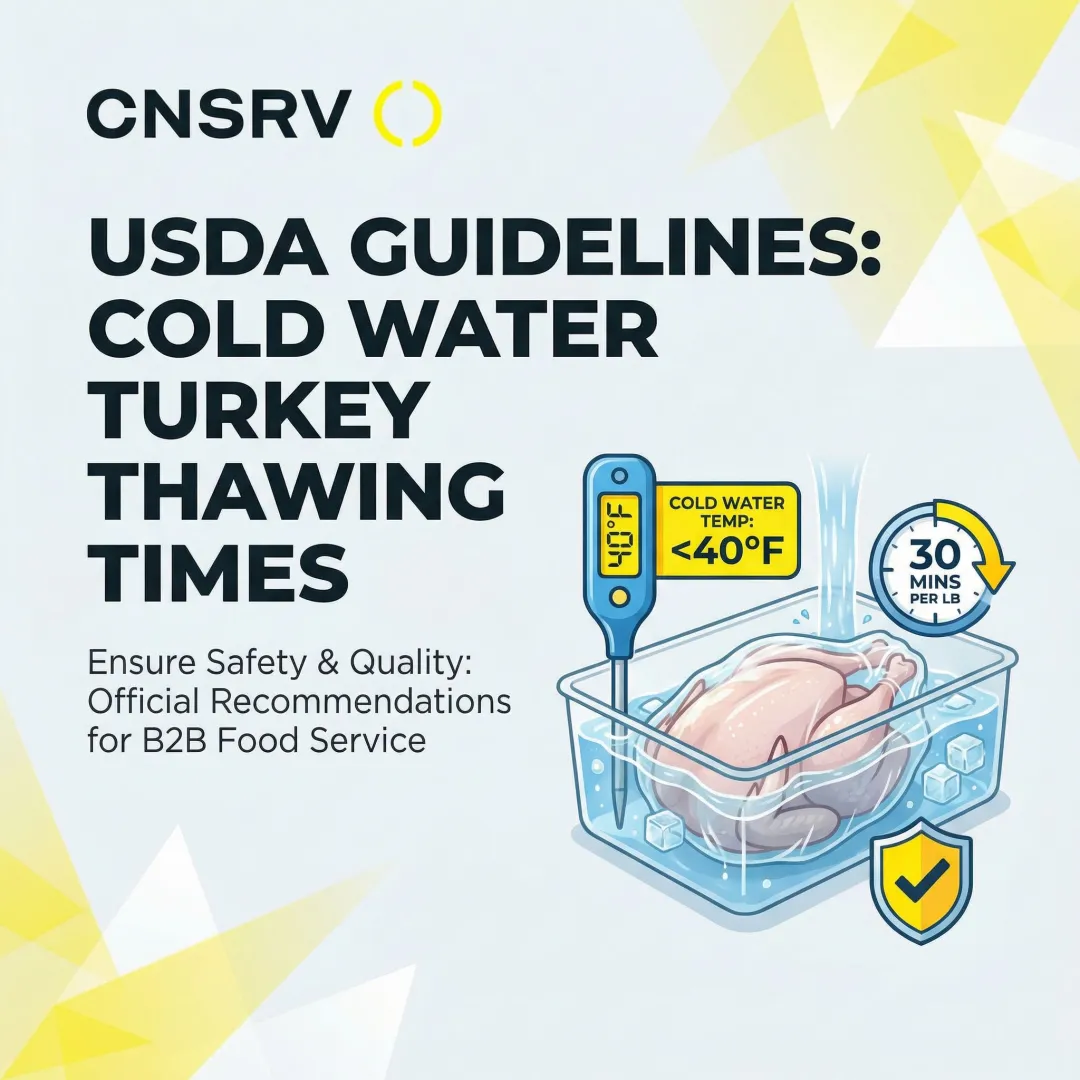
Cold water gradually warms as it absorbs heat from the frozen meat. If left unchanged, the water surrounding the package can rise above 40°F, pushing the outer meat surface into the Danger Zone even while the interior remains frozen. Change the water every 30 minutes to keep it cold enough to prevent bacterial growth.
Thawing time reference based on USDA guidelines:
| Package Size | Estimated Thawing Time |
|---|---|
| Under 1 pound | 1 hour or less |
| 3-4 pounds | 2-3 hours |
| Whole turkey (12-16 lb) | 6-8 hours |
| Large roasts | ~30 minutes per pound |

Once meat is fully thawed via this method, it must be cooked immediately. Unlike refrigerator thawing, cold-water-thawed meat cannot be safely returned to the refrigerator for later use without cooking it first.
For commercial kitchens thawing large volumes of meat daily, manually managing 30-minute water changes across multiple batches increases the risk of missed intervals and inconsistent temperatures. Systems like the CNSRV DC:02 defrosting system are NSF-listed for food contact and use controlled water agitation and temperature regulation in a closed-loop design. This eliminates the need for constant manual monitoring while using up to 98% less water than traditional running-tap methods.
The system maintains water below 70°F and circulates at approximately 130 gallons per minute, creating uniform temperature distribution that prevents warm spots.
Temperature and Environmental Safety Conditions
The USDA "Danger Zone" (40°F–140°F) is the temperature range where bacteria multiply rapidly. The outer surface of packaged meat can enter this range faster than most people expect, especially if the ambient kitchen temperature is warm or the water is not refreshed on schedule.
Critical temperature controls:
- Use cold tap water only—tap water in most facilities naturally stays below 70°F, which provides enough temperature difference to draw heat out of frozen meat while keeping the surface below Danger Zone temperatures
- Avoid thawing near heat sources (ovens, steam equipment, direct sunlight)—these can warm water faster and accelerate surface temperature rise
- Keep the thawing area as cool and food-safe as possible
Stop and reassess if the outer packaging feels warm to the touch, if the water has gone unchanged for more than 30 minutes, or if the meat has sat partially thawed for an extended period. Perishable foods left in the Danger Zone for more than 2 hours cumulative must be discarded.
Common Cold Water Thawing Mistakes to Avoid
Even when the intent is right, small procedural errors can compromise food safety. These are the four mistakes that come up most often in commercial and home kitchens alike.
1. Using warm or hot water to speed up thawing
Warm water pushes the meat surface deep into the Danger Zone — and switching back to cold water afterward doesn't fix it. Bacteria multiply rapidly during warm water exposure, and cooking won't necessarily destroy all toxins they produce.
2. Skipping the 30-minute water change
This is the most common error in both home and commercial settings. Even a single missed interval can allow the water temperature to rise enough to compromise food safety on the meat surface. Research on beef thawing found that prolonged cold water exposure beyond recommended times resulted in significantly higher total bacterial counts.
3. Using cracked, unsealed, or improvised packaging
Standard zip-top bags are acceptable if properly sealed, but handlers often misjudge whether a bag is watertight. The USDA specifically warns against bag leakage as a contamination risk. If water enters the package, environmental bacteria can contaminate the meat — and absorbed water degrades texture and quality.
4. Assuming cold-water-thawed meat can go back in the refrigerator
Unlike refrigerator-thawed meat, cold-water-thawed meat should not be refrozen or stored uncooked. The USDA is clear: foods thawed by the cold water method must be cooked before refreezing. Cook it first — then freezing the cooked product is safe.

Conclusion
Cold water thawing is a safe and effective method, but only when all steps are followed consistently. Packaging integrity, water temperature, 30-minute change intervals, and immediate cooking after thawing are all required steps — not optional add-ons. Skipping any step introduces real food safety risks that can lead to bacterial contamination and foodborne illness.
Commercial food service operators should evaluate whether their current thawing practices hold up at scale. Managing multiple 30-minute water change intervals across high-volume kitchens creates real compliance exposure — automated systems like the CNSRV DC:02 reduce that risk by maintaining safe temperatures and water agitation without manual intervention.
Treat thawing safety as an ongoing operational standard, not a one-time training topic. Kitchens that enforce consistent execution see fewer food safety incidents and spend less time correcting errors under pressure.
Frequently Asked Questions
What is the cold water thawing method?
Cold water thawing is a USDA-approved defrosting method where sealed, leak-proof packaged meat is submerged in cold tap water, with the water changed every 30 minutes. This allows faster thawing than refrigerator methods while maintaining food safety when followed correctly.
How long does the cold water thaw method take?
According to USDA guidelines, small packages under 1 pound thaw in 1 hour or less, 3-4 pound packages take 2-3 hours, and larger items like whole turkeys require roughly 30 minutes per pound. A 12-16 pound turkey typically takes 6-8 hours.
Why change water every 30 minutes when thawing?
Standing cold water gradually warms as it absorbs heat from the frozen meat. If not replaced, the water can rise above 40°F and push the meat's outer surface into the Danger Zone where bacteria multiply rapidly—potentially doubling every 20 minutes.
Can you refreeze meat that was thawed in cold water?
No. Cook the meat immediately after thawing — do not refreeze it without cooking first. Unlike refrigerator thawing, the cold water method doesn't maintain consistently safe temperatures throughout the process, so raw refreezing isn't safe.
What happens if meat enters the Danger Zone while thawing?
Once meat surface temperatures exceed 40°F for more than 2 cumulative hours, bacteria such as Salmonella and E. coli can multiply to unsafe levels. If that happens, the USDA recommends discarding the meat — cooking it won't make it safe.
Is cold water thawing safe for all types of meat?
Yes. The cold water method is safe for beef, pork, poultry, and seafood as long as the packaging is intact and leak-proof, the water is changed every 30 minutes, and the meat is cooked immediately after thawing is complete.