Introduction
The FDA has identified non-proteolytic strains of Clostridium botulinum that grow and produce toxin at temperatures as low as 38°F (3.3°C) inside reduced oxygen packaging (ROP). Vacuum-sealed meat creates exactly that environment — and during defrosting, temperature control is the only thing standing between safe food and a serious botulism risk.
Recent botulism outbreaks tied to improperly handled vacuum-packed foods have resulted in deaths, forced restaurant closures, and regulatory investigations across multiple countries. This article covers what drives the risk, which defrosting conditions make it worse, and the health-code-compliant practices every commercial kitchen should follow.
TLDR
- Vacuum packaging removes oxygen, creating an anaerobic environment where Clostridium botulinum thrives—especially during thawing
- Thawing inside the sealed package above 38°F—or anywhere in the danger zone (40°F–140°F)—is when risk peaks
- Botulism toxin is invisible, odorless, and tasteless—detection before illness is nearly impossible
- Safe defrosting requires removing meat from packaging before thawing, keeping temperatures at or below 38°F, or cooking directly from frozen
- Switching to a controlled defrosting system like the CNSRV DC:02 cuts both botulism risk and water waste in commercial kitchens
Understanding Why Vacuum-Sealed Meat Poses a Botulism Risk
Vacuum packaging—also called reduced oxygen packaging (ROP)—removes air from the bag and hermetically seals it to extend shelf life by inhibiting aerobic bacteria, mold, and oxidation.
What Is Clostridium Botulinum?
Clostridium botulinum (C. botulinum) is an anaerobic, spore-forming bacterium that survives and grows in low-oxygen or oxygen-free conditions such as vacuum-sealed packaging. Under the right temperature conditions, C. botulinum spores germinate into vegetative cells that produce a potent neurotoxin. If consumed, this toxin causes botulism—a potentially fatal paralytic illness that requires intensive medical intervention.
The organism falls into two groups relevant to commercial kitchens:
- Group I (Proteolytic Types A, B, F): Requires temperatures above 50°F to grow; commonly found in soil, meat, and poultry
- Group II (Non-proteolytic Types E, B, F): Psychrotrophic strains that can grow at temperatures as low as 38°F; commonly associated with fish and marine environments
The non-proteolytic strains are particularly dangerous because they don't produce the foul odors that signal spoilage—food can become toxic while appearing and smelling completely normal.

Why Vacuum Packaging Creates the Ideal Bacterial Environment
Vacuum packaging's core trade-off: removing oxygen preserves meat quality, but it simultaneously eliminates the aerobic conditions that would otherwise suppress C. botulinum. By eliminating oxygen, vacuum sealing creates an environment where the bacterium can thrive without competition from aerobic spoilage organisms.
While freezing keeps the bacteria dormant, it does not destroy the spores. The risk activates as soon as the meat begins to thaw and temperatures rise above the safe threshold.
Why Defrosting Is the Danger Window
During defrosting, meat transitions from frozen to temperatures where C. botulinum spores can germinate rapidly—particularly above 38°F. This window is when the risk of toxin production is highest, as the anaerobic environment remains intact while temperatures climb into the growth range.
This risk applies to all vacuum-sealed proteins, not just fish—beef, pork, and poultry require the same careful handling protocols.
Defrosting Conditions That Accelerate Botulism Risk
Botulism risk during defrosting isn't random—it's triggered or worsened by specific, avoidable handling conditions common in commercial kitchens.
Thawing Inside the Sealed Package
Thawing vacuum-sealed meat while leaving it in its original packaging maintains the anaerobic environment throughout the defrost process. This gives C. botulinum ideal conditions to produce toxin even as the meat reaches what appears to be safe temperatures.
The FDA and food safety authorities require that vacuum-packaged product either be kept frozen until use or removed from packaging before thawing. Leaving meat sealed during thaw violates both safety guidelines and health code, and can result in health code violations during inspection.
Thawing at Room Temperature or Above the Safe Zone
When meat is left on a countertop or above 40°F, the exterior rapidly enters the temperature danger zone (40°F–140°F) where bacterial growth accelerates sharply—even while the interior may still be frozen. In commercial kitchens, this shortcut raises both botulism risk and overall pathogen load.
The same danger zone logic applies to faucet thawing. During warmer months, municipal tap water in many regions measures 75–85°F—well above the ≤70°F code limit for running-water defrost methods.
Extended Time in the Temperature Danger Zone
Even partially compliant thawing—such as in a refrigerator that runs slightly above 38°F—can allow toxin formation if meat sits at elevated temperatures for too long. The longer the exposure above 38°F, the shorter the window before toxin levels become dangerous.
Key factors that extend dangerous exposure time include:
- Refrigerators calibrated to standard 40°F rather than the stricter 38°F threshold for ROP foods
- Large cuts that take 24–48 hours to fully thaw, increasing cumulative time above safe temperature
- Inconsistent refrigerator performance during high-volume service hours
The FDA explicitly states that for ROP foods where refrigeration is the sole barrier to non-proteolytic C. botulinum, temperature must be maintained at 38°F or less. That's stricter than the standard 40°F rule for most TCS (Time/Temperature Control for Safety) foods. Standard refrigerator settings often fall short for this specific product type.
The Consequences of Getting It Wrong
Unlike many foodborne illness hazards, botulism toxin is colorless, odorless, and tasteless. Meat that has produced dangerous toxin levels may look, smell, and feel completely normal, making it impossible to detect through inspection alone.
Health consequences are severe:
- Botulism causes descending paralysis, difficulty swallowing, and respiratory failure
- Symptoms typically appear 12–36 hours after ingestion but can range from 6 hours to 10 days
- The case fatality rate is approximately 5–10% with modern medical treatment
- Recovery can take months even in non-fatal cases
Operational consequences for commercial kitchens include:
- Forced closure during health department investigations
- Loss of health permits and operating licenses
- Reputational damage that can permanently impact business
- Civil claims and legal liability
- Regulatory scrutiny of all food safety practices
These risks aren't theoretical. Two recent outbreaks illustrate what's at stake:
- A 2023 outbreak in Bordeaux, France linked to improperly preserved sardines resulted in 15 cases, 1 death, and a WHO Global Alert, with negligence investigations launched against the establishment.
- In China, vacuum-packed spicy rabbit heads stored at room temperature for three days triggered an outbreak — a warning for any operation handling self-packaged commercial items.
Both incidents trace back to the same failure: inadequate temperature control during handling. For commercial kitchens, the correct defrosting protocol isn't just a health code checkbox — it's the line between a normal service and a closure notice.

How to Safely Defrost Vacuum-Sealed Meat
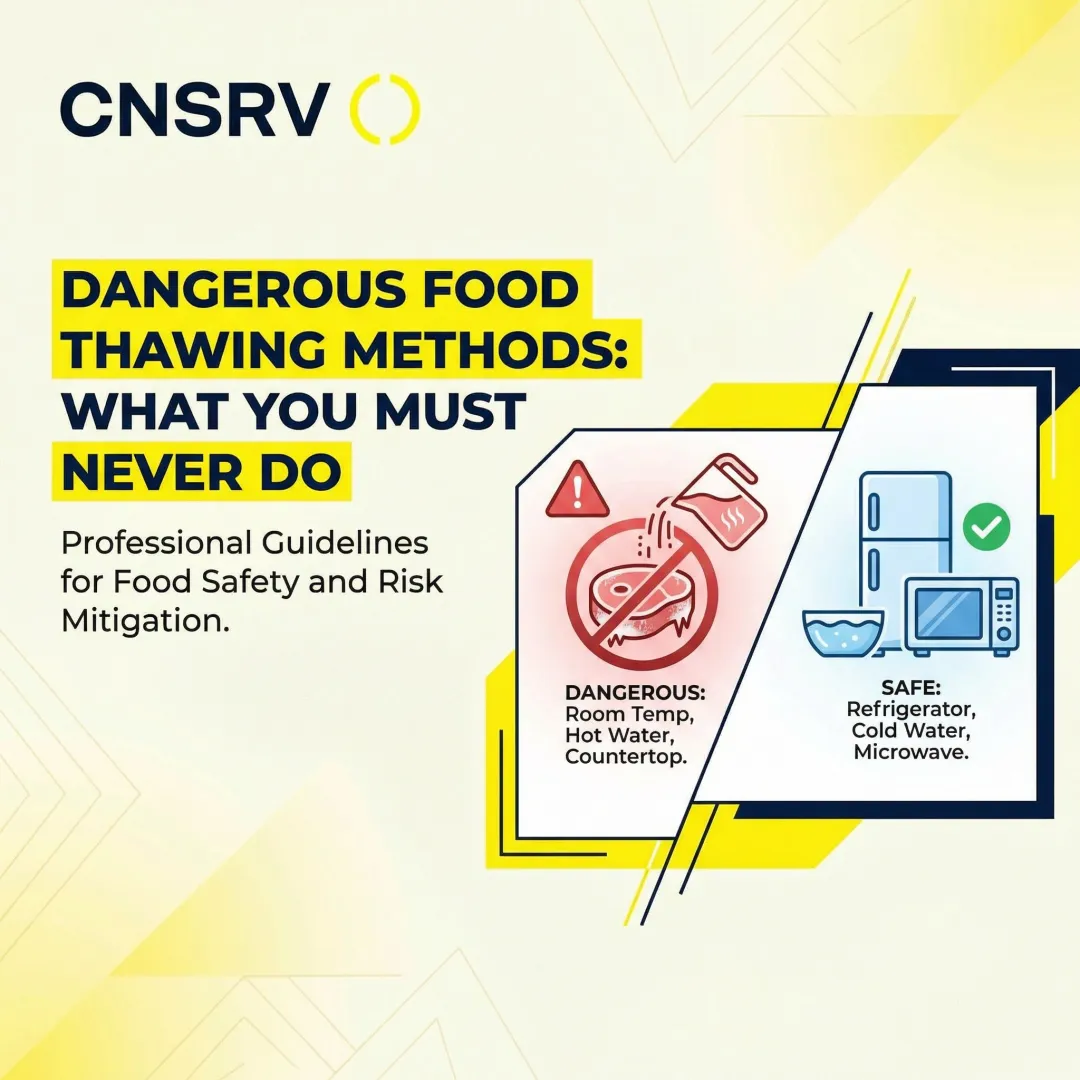
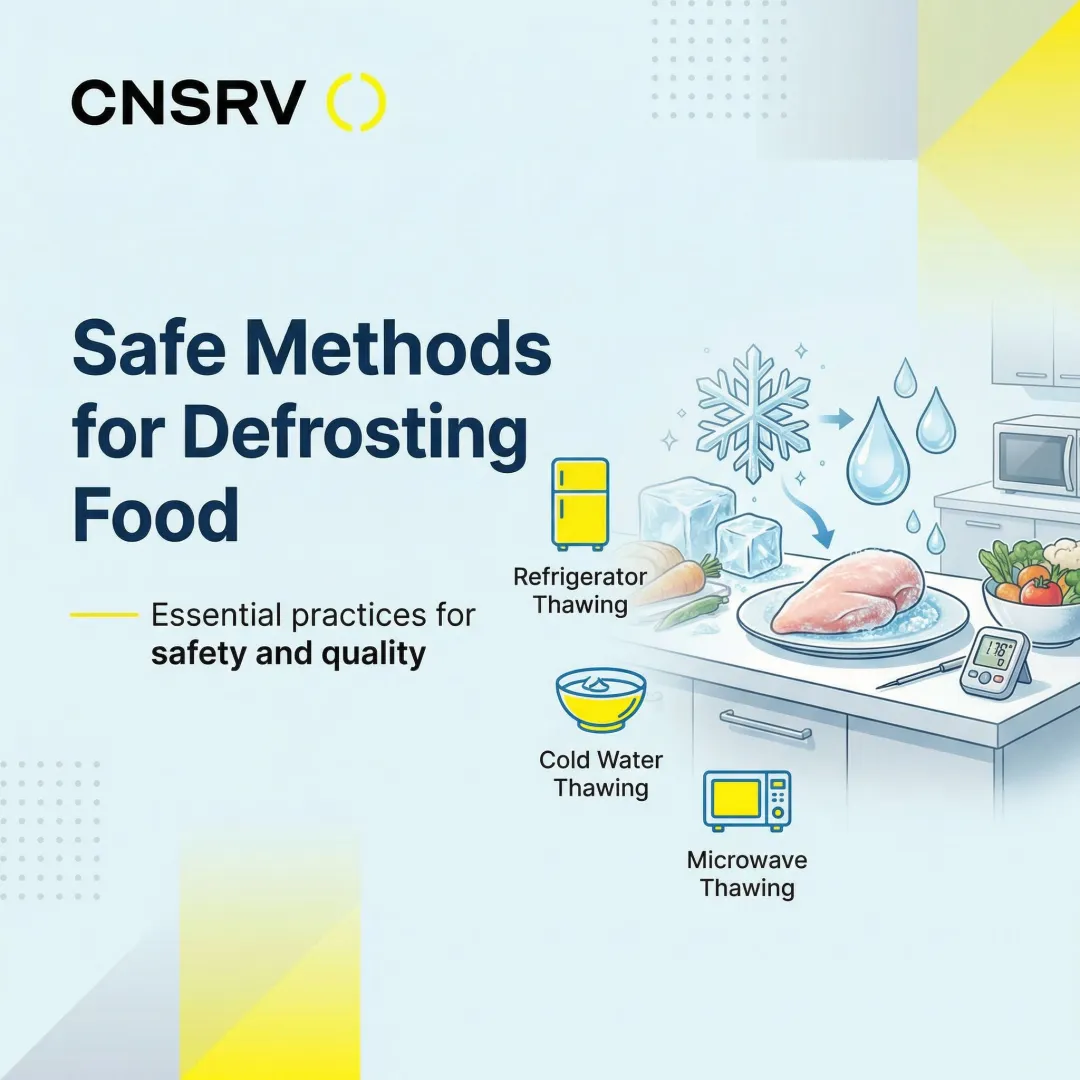
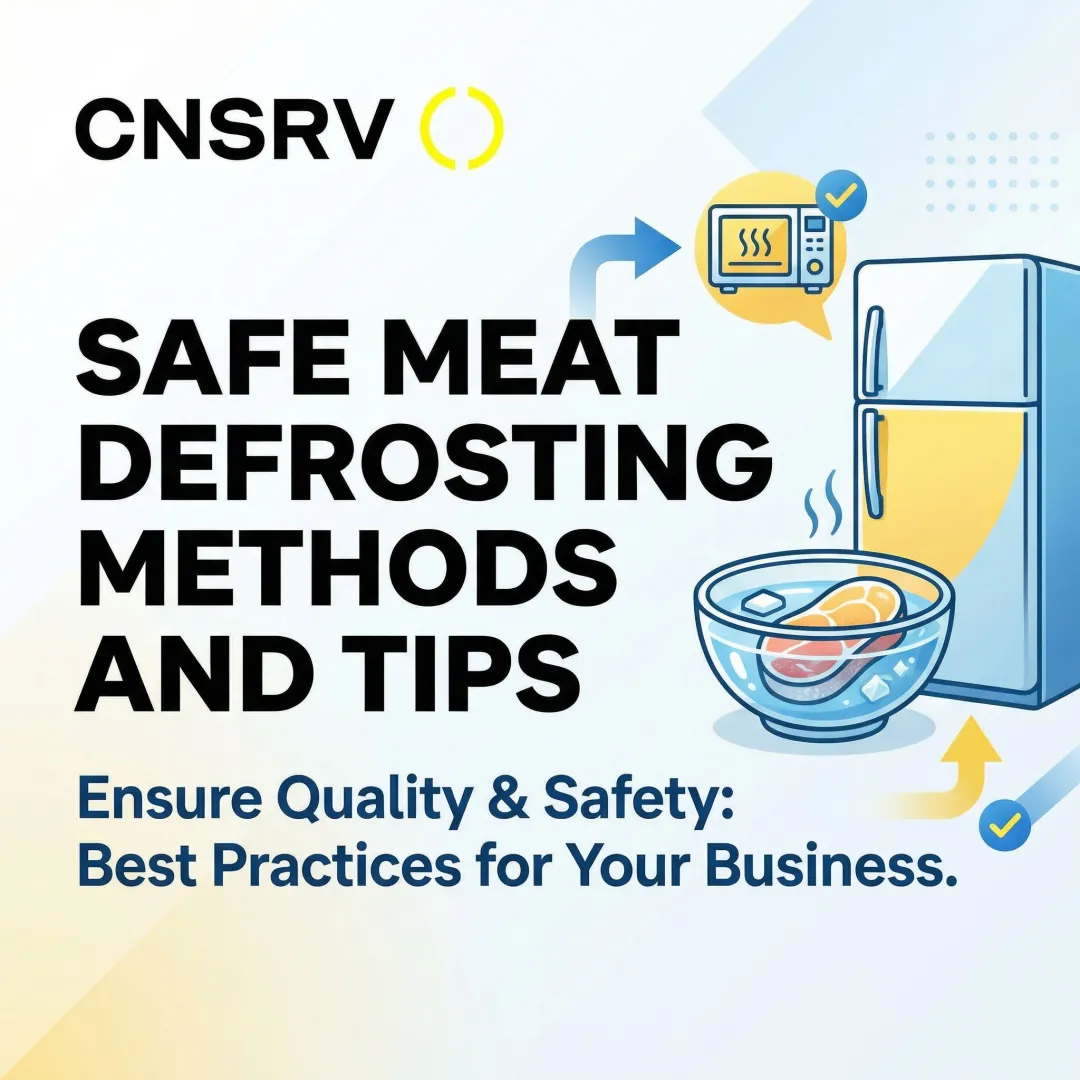
Commercial kitchens have four approved defrosting methods, each viable in different operational contexts. Commercial kitchens follow four approved defrosting methods, each suited to different operational contexts. One step cuts across all of them: remove the vacuum-sealed packaging before you begin.
Remove From Packaging Before Thawing
Cut open or fully remove the vacuum-sealed packaging before beginning any thaw method. Introducing oxygen disrupts the anaerobic environment, preventing C. botulinum spores from progressing to toxin-producing vegetative cells.
This applies regardless of whether meat is thawed in the refrigerator, under cold water, or in a microwave. For fish, FDA Food Code 3-501.13(E) explicitly mandates packaging removal before thawing — treat it as the non-negotiable first step for all proteins.
Refrigerator Thawing at or Below 38°F
Place packaging-free meat in a clean, covered container in a refrigerator held at 38°F or below — stricter than the standard 40°F threshold that applies to most foods. This is the safest option for overnight or large-batch thawing because temperature control is passive and continuous.
Staff should verify refrigerator calibration with a thermometer and log readings at least daily.
Cold Running Water Thawing Under Temperature Control
Per FDA Food Code 3-501.13, submerge meat under cold running water at 70°F or below and cook immediately after thawing. Remove packaging before water thawing to eliminate anaerobic risk. Key compliance limits to track:
- Water temperature: 70°F or below at all times
- Total time above 41°F: 4 hours maximum (thawing, prep, and cooling combined)
Running faucet methods are FDA-compliant but waste significant water in high-volume operations. The CNSRV DC:02 is an NSF-listed alternative that uses 98% less water than traditional faucet methods. It maintains temperatures below 70°F (typically under 66°F) via digital sensors and circulates water at roughly 130 gallons per minute — 10–30 times faster than a standard commercial faucet — cutting thaw time in half.
Cooking Directly From Frozen
Cook vacuum-sealed meat directly from frozen with packaging removed. High internal cooking temperatures destroy both C. botulinum spores and any toxin already present.
Use this method when time constraints make refrigerator or water thawing impractical. Cooking times need adjustment — typically 50% longer from frozen — to ensure safe internal temperatures throughout. Verify doneness with a thermometer, not a timer.

Long-Term Best Practices for Commercial Kitchen Defrosting Protocols
Preventing botulism in vacuum-sealed meat isn't just about handling one package correctly — it requires consistent, documented protocols across your entire operation. These practices keep ROP handling compliant with health codes and reduce the conditions that allow C. botulinum to thrive during thawing.
- Audit refrigerator temperatures daily and log readings — units holding vacuum-packaged proteins must stay at ≤38°F
- Train all staff to open ROP packaging before thawing, recognize ROP labels, and follow only health code-approved thaw methods
- Write a defrosting SOP covering approved methods, time limits, and temperature requirements; post it in the kitchen and include it in onboarding
- Rotate frozen inventory using FIFO — products held frozen too long often get thawed under time pressure, cutting corners on safety
- For ROP operations, use electronic time-and-temperature monitoring with twice-daily visual checks recorded in a log
- Confine ROP processing to designated areas to prevent cross-contamination with non-ROP product
Conclusion
The botulism risk from improperly defrosting vacuum-sealed meat is real but entirely preventable. The root cause is a well-understood bacterial mechanism: anaerobic conditions combined with temperature abuse. Structured kitchen protocols can reliably address both.
Good habits protect both customers and your kitchen's reputation. The core protocols are straightforward:
- Open packaging before thawing to eliminate anaerobic conditions
- Maintain refrigerator temperatures at or below 40°F
- Train staff on compliant defrost methods
- Never thaw at room temperature or in unmonitored water
Addressing these steps proactively costs far less than a foodborne illness incident. Forced closures, legal liability, and reputational damage are consequences no kitchen recovers from quickly.
The kitchens that handle this best treat defrost procedures the same way they treat cooking temperatures: non-negotiable, documented, and consistently enforced.
Frequently Asked Questions
Is it safe to defrost vacuum sealed meat?
Yes, it can be safe if the packaging is removed before thawing and safe temperature controls are maintained. Leaving meat in the vacuum-sealed package during defrosting creates anaerobic conditions that allow C. botulinum to produce toxin, particularly if temperatures exceed 38°F.
How to prevent botulism when defrosting meat?
Remove meat from its vacuum packaging before thawing, keep temperatures at or below 38°F, and thaw only in the refrigerator, under controlled cold running water (≤70°F), or cook directly from frozen. Never thaw vacuum-sealed meat at room temperature or while still sealed.
Can you get botulism from thawing vacuum-sealed meat in the refrigerator?
Yes, if you thaw inside the sealed package in a refrigerator above 38°F. The anaerobic environment remains intact and C. botulinum can slowly produce toxin even at cool temperatures. Removing packaging and keeping temperatures at or below 38°F eliminates this risk.
Does vacuum-sealed beef carry the same botulism risk as vacuum-sealed fish?
While fish (especially type E C. botulinum) is most frequently cited, all vacuum-sealed proteins—beef, pork, and poultry—face the same anaerobic risk conditions and require the same defrosting precautions.
What are the symptoms of botulism from improperly thawed meat?
Symptoms typically appear 12–36 hours after ingestion and include double vision, drooping eyelids, difficulty swallowing, dry mouth, slurred speech, muscle weakness, and respiratory paralysis. Botulism requires immediate medical attention and can be fatal without treatment.
What temperature kills botulism toxin in meat?
Temperatures above 185°F (85°C) held for 5 minutes destroy the toxin, but spores require 250°F (121°C) under pressure for 3 minutes—conditions impossible in standard cooking. Preventing toxin formation through proper thawing is more reliable than depending on heat alone.