Introduction
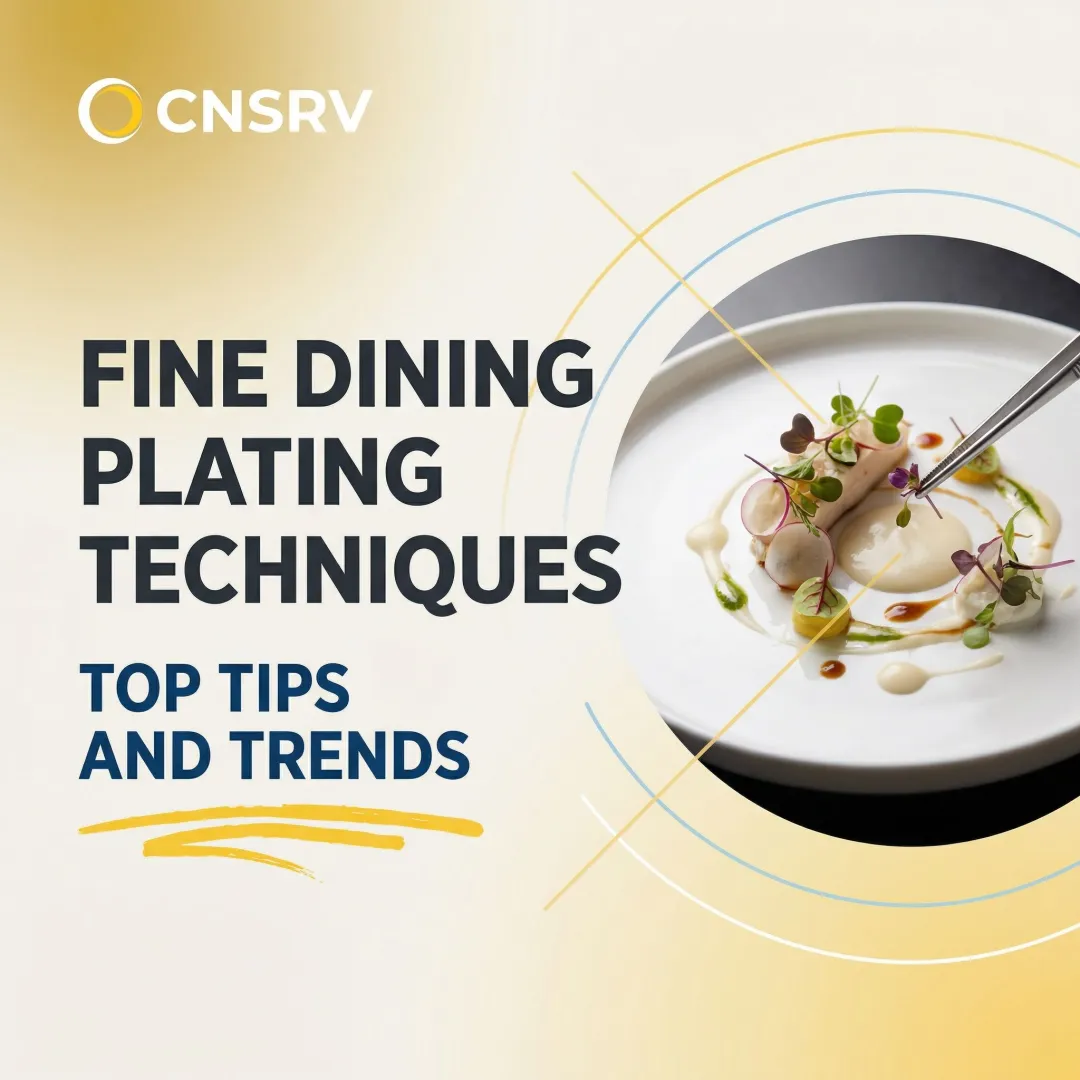
Most home-cooked meals taste great but look underwhelming compared to restaurant dishes — and the gap isn't just about ingredients or skill, it's about presentation. Michelin-starred chefs follow specific, learnable principles when it comes to plating: the Rule of Thirds, negative space, height, and color contrast. Each principle serves a purpose — directing the eye, creating balance, and making food look as good as it tastes.
This guide covers practical plating techniques from Michelin-star kitchens that any home cook can apply tonight — no professional equipment or culinary training required. You'll learn how to:
- Choose the right plates for your dish
- Use affordable tools to plate with precision
- Apply compositional rules that turn simple meals into restaurant-quality presentations
TLDR
- Plating relies on composition principles: Rule of Thirds, negative space (30-40% empty), height, and odd-number groupings
- Essential affordable tools include squeeze bottles, ring molds, offset spatulas, and plating tweezers
- Choose oversized white plates — they give each element room to breathe and keep the focus on the food
- Every garnish must be edible and complement the dish's flavor, not just decorate
- Ingredient quality shows on the plate: proper thawing preserves texture and color before you even pick up a spoon
The Right Tools and Plates Make All the Difference
The Essential Home Plating Toolkit
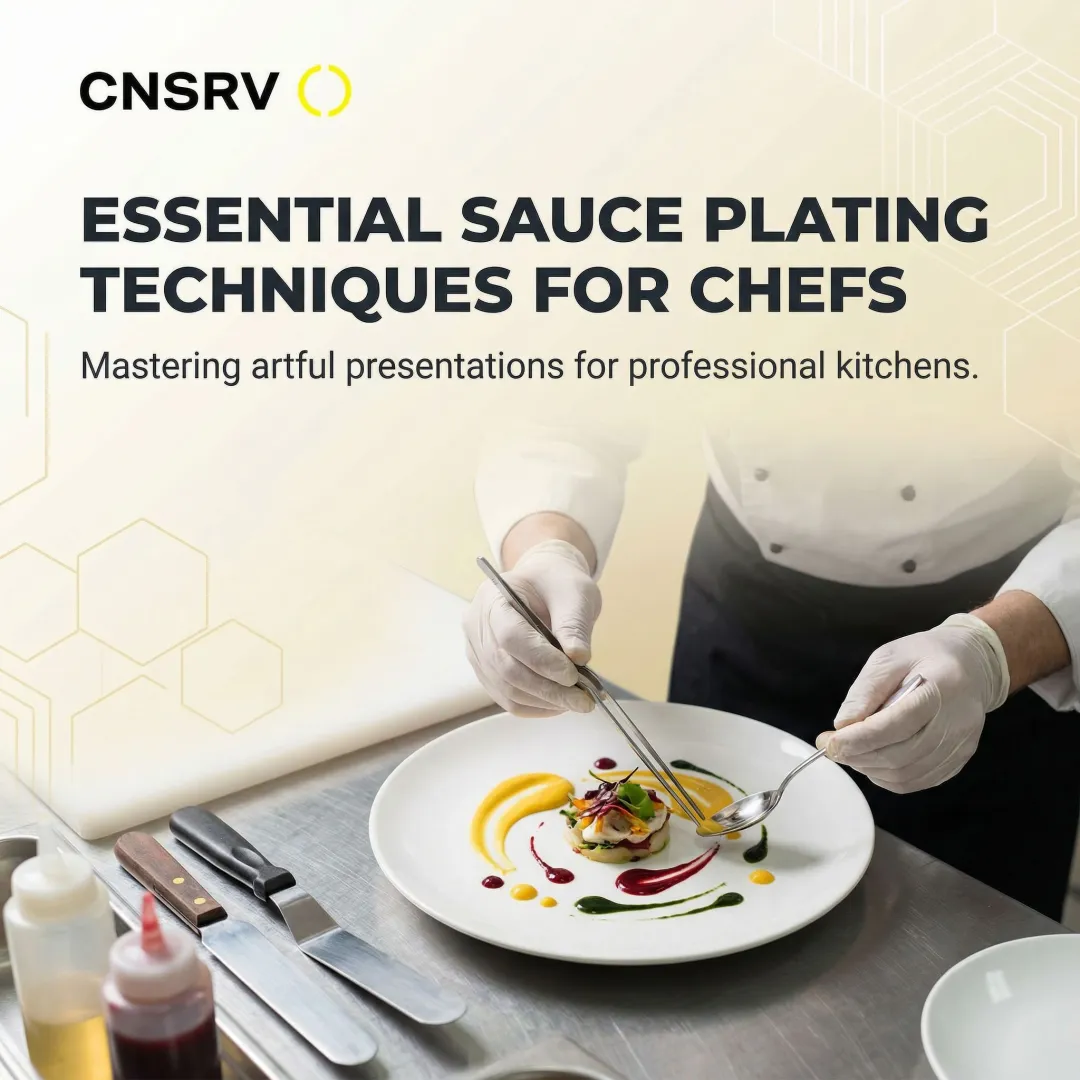
You don't need a commercial kitchen budget to plate like a professional. Four affordable tools give you the precision and control Michelin chefs rely on:
- Squeeze bottles ($2.50-$4.50) — Control sauce application with dots, lines, or drizzles
- Ring molds ($5-$15.50) — Stack and shape components into clean geometric forms
- Offset spatulas ($5-$10) — Lift delicate proteins without breaking them and spread purées smoothly
- Plating tweezers ($4.62-$16) — Place microgreens and garnishes with precision

This entire toolkit costs under $50 and lasts for years. These are the same tools used in fine dining kitchens, available at restaurant supply stores or online retailers like WebstaurantStore, JB Prince, or Amazon Professional.
Plate Selection as a Design Decision
The plate is your canvas. Michelin chefs choose plates deliberately based on three factors:
Color:
- White plates are the industry standard because they provide maximum contrast for vibrant ingredients
- Dark plates make light-colored foods pop and create a moody, dramatic aesthetic
- Choose based on your dish's dominant colors
Size:
- Oversized plates (12-inch diameter) naturally provide the negative space needed for elegant presentation
- Undersized plates force ingredients together, causing smearing and visual clutter
- Larger plates signal refinement and confidence
Shape:
- Round plates are versatile and traditional
- Rectangular or slate plates create modern, linear compositions
- The shape should complement your plating style, not fight it
The Coverage Rule: Leave at least one-third of the plate empty. Authoritative culinary sources recommend covering no more than 60-70% of the plate, with a ½-inch buffer between food and the rim.
Ingredient Quality Before Plating
How you prepare ingredients directly affects texture, color, and structural integrity on the plate. Avoid rushed defrosting under running water, which creates uneven temperature zones that damage cellular structure and compromise a protein's appearance before it ever hits the plate.
Plan ahead with refrigerator thawing, or use cold water with frequent changes to maintain consistent temperatures. Uniform thawing preserves the texture and visual integrity that make professional plating possible.
Core Michelin-Star Plating Techniques to Try at Home
Michelin-starred chefs apply specific compositional principles to every plate — and each one is learnable. Here are four techniques worth trying at home.
The Rule of Thirds
Borrowed from photography, this rule divides the plate into a 3×3 grid. Place your main protein or focal point along one of the grid lines or at an intersection — never dead center.
Off-center placement creates visual flow. The eye naturally travels across the plate rather than landing on a static, centered element — which is exactly the effect you want.
For example: position seared salmon at the upper-left intersection. Add a swipe of cauliflower purée from the bottom-left, with roasted vegetables along the lower horizontal line. The composition guides the eye in a natural arc across the plate.
Negative Space
Michelin chefs deliberately leave portions of the plate empty. This isn't wasted space — it's a design choice that makes individual elements stand out and signals confidence.
Leave 30-40% of the plate as negative space, with no more than two-thirds of the surface filled. Maintain at least a ½-inch buffer between food and the rim.
Empty space creates visual breathing room. It prevents the "overcrowded buffet plate" look and lets each component register as a distinct, intentional element — not an afterthought.
Height and Layers
Adding vertical dimension is one of the fastest ways to make a home plate look composed and intentional.
Techniques for building height:
- Stack protein atop a base of purée or grains
- Use ring molds to create cylindrical towers of layered ingredients
- Lean crispy garnishes (tuiles, vegetable chips) against the main component
- Build a foundation with a soft texture that anchors the stack
One rule to keep in mind: height must be stable and the dish must remain easy to eat. Precarious towers that collapse when touched fail both functionally and visually.
Try this: pack herbed quinoa into a ring mold, top with pan-seared scallops, and lean a crispy prosciutto chip against the stack at a 45-degree angle.
Odd Numbers and Portioning
The human brain finds odd numbers more pleasing and natural than even numbers. Even arrangements can look rigid or "boxed."
In practice:
- Plate three scallops, not two or four
- Create five dots of sauce, not four or six
- Arrange seven microgreens, not eight
- Use three asparagus spears, not a bundle of six
Michelin chefs also portion deliberately — smaller amounts, more precisely placed. Generous heaps obscure the plate; restrained portions let each element land with intention.

Working with Color, Texture, and Contrast
Before a fork is lifted, the plate has already made an impression. Michelin chefs engineer contrast — color, texture, temperature — into every dish deliberately, because visual cues shape how food tastes before the first bite.
Building a Color Story on the Plate
Michelin chefs approach color the way a painter would, using the color wheel to create visual impact.
Complementary colors — opposites on the color wheel — create visual tension and energy:
- Deep green herb oil against white purée
- Ruby-red beet reduction beside golden seared fish
- Bright orange carrot against purple cabbage
Example from the field: Chef Alain Passard at L'Arpège pairs deep red beet purée against bright green basil oil, creating immediate visual drama. Chef Rasmus Kofoed at Geranium places delicate langoustine on bright orange pomelo segments with yellow sea buckthorn gel, building a warm-toned composition that feels cohesive yet vibrant.
Monochromatic plates require texture variation to avoid looking flat. If your dish is primarily one color — an all-white cauliflower preparation, for example — introduce visual interest through different textures and finishes rather than additional colors.
Contrasting Textures as a Design Element
Michelin kitchens deliberately pair textures — creamy with crunchy, silky with crisp, tender with brittle — for both visual and sensory impact.
Research suggests 70% of consumers consider texture a major factor in food choice. Chef Dominique Crenn calls texture the "underdog of flavor" — "crispy, chewy, creamy must coexist." Visual texture (how rough, smooth, or layered something looks) draws the eye just as much as color.
Home cook example:
- Base: Smooth cauliflower purée (creamy, glossy)
- Middle: Pan-seared halibut (tender, flaky)
- Top: Crispy capers and toasted breadcrumbs (crunchy, textured)
- Finish: Drizzle of brown butter (glossy, rich)
Each layer offers distinct visual and tactile contrast.
Temperature and the Visual Cue It Sends
Temperature contrasts are both textural and visual techniques. The condensation on a cold element, the steam rising from a hot sauce, or the gloss of a warm glaze all signal intentionality.
Examples from Michelin kitchens:
- Heston Blumenthal's "Hot and Iced Tea" serves hot tea on one side of a glass and iced tea on the other, separated by a fluid gel barrier
- Ferran Adrià's "Pea Soup 60º/4º" contrasts hot (60°C) and cold (4°C) pea soup in the same vessel
- Classic crème brûlée relies on the "thermal foil" of a hot caramelized crust against cold custard
At home, plan one temperature contrast per dish. A cold herb yogurt beside warm roasted vegetables, or a room-temperature citrus salad next to a hot-seared steak — the visual cues (steam, condensation, gloss) do the communicating for you.
Sauces, Garnishes, and Finishing Touches
The details separate a home plate from a Michelin plate. Sauce placement, final garnish, and last-second finishing elements elevate everything.
Sauce Application Techniques
The consistency of your sauce dictates the plating technique.
The Swoosh (Spoon Drag):
- Requires nappé consistency — sauce should coat the back of a spoon without running
- Place a spoonful of sauce on the plate
- Drag the back of the spoon through it in one smooth motion
- Creates an elegant, brushstroke effect
- Best for: Thick reductions, purées, crème fraîche
The Dot Pattern:
- Best for thicker sauces or purées that hold a peak or round shape
- Use a squeeze bottle for precision
- Create odd-numbered patterns (3, 5, 7 dots)
- Space evenly or cluster deliberately
- Best for: Balsamic reduction, herb oil, thick coulis
Pooling:
- Used for thinner, pourable sauces
- Place the sauce beneath or beside the protein to frame it
- Preserves the crisp texture of seared items by keeping them above the liquid
- Best for: Jus, light vinaigrettes, broths

Garnishes That Actually Belong on the Plate
The Michelin rule: every garnish must be edible and must contribute to flavor, texture, or aroma — never purely decorative.
Common fine dining garnishes for home cooks:
- Microgreens for delicate texture without overpowering the main element
- Edible flowers when the dish genuinely calls for floral notes
- Fresh herb oils drizzled for aroma and a glossy finish
- Citrus zest for brightness, especially with rich proteins
- Toasted seeds or shaved cheese when the dish needs a crunch or umami lift
- Herb sprigs only if they match the dish's actual flavor profile
One or two intentional finishing elements beat five haphazard ones every time. A sprig of rosemary on a fish dish it doesn't flavor signals randomness, not intention.
The Final Details: Wiping, Checking, Adjusting
Once every garnish is placed, the last step is making sure the plate itself looks as deliberate as the food on it.
Wiping the plate rim clean before service is mandatory in fine dining. This detail is standard practice in every Michelin kitchen.
- Use a clean, damp towel to wipe any sauce splatters or smears from the rim
- Check the plate from the diner's perspective — step back and view it at eye level from a slight angle
- Ask yourself: Would this make someone want to eat it?
- Adjust placement, wipe again if needed, and serve immediately
If it doesn't look intentional and appetizing from arm's length, adjust before it reaches the table.
Common Plating Mistakes to Avoid
The Four Big Mistakes
| Mistake | Why It Hurts | Quick Fix |
|---|---|---|
| Overcrowding the plate | No negative space; the eye has nowhere to rest | Remove one component; leave 30–40% of the plate empty |
| Undersized plates | Ingredients crowd together, causing smearing and loss of definition | Switch to 12-inch plates — the extra real estate does the work for you |
| Cold plates for hot food | Food cools fast, sauces congeal, the dish looks flat | Warm plates in a 150°F oven for 10 minutes before plating |
| Over-garnishing | Too many garnishes compete with the main ingredient | Limit yourself to one or two garnishes that actually complement the dish's flavor |

The Consistency Problem
In Michelin-starred restaurants, every plate must look identical — same placement, same portion, same finish. At home, inconsistency across plates signals lack of intention.
Pre-plan your layout before you start. Sketch a layout or use a reference plate, then plate the first dish, step back, photograph it with your phone, and replicate it exactly for each plate that follows.
The Garnish Pitfall
Random garnishes that don't belong — a sprig of rosemary on a fish dish it doesn't flavor, an edible flower on a hearty stew — undermine the entire composition.
The fix: Ask three questions before adding any garnish:
- Is it edible?
- Does it complement the dish's flavor profile?
- Does it add texture, aroma, or visual contrast?
If the answer to any question is "no," leave it off the plate.
Frequently Asked Questions
What are the different plating techniques?
The main techniques are the Rule of Thirds, negative space, height and layering, sauce art (swoosh, dots, pooling), and texture/color contrast. Michelin chefs typically combine several in a single dish to create visual and sensory interest.
What tools do I need to plate food like a Michelin-star chef at home?
The essential toolkit includes:
- Squeeze bottles for sauce control
- Ring molds for stacking and shaping
- Offset spatula or palette knife for lifting and spreading
- Plating tweezers for precision garnish placement
- White or dark oversized plates
All are available at kitchen supply stores or online for under $50 total.
How do Michelin-star chefs use negative space in plating?
Negative space is the deliberate use of empty plate area to highlight main components and signal a refined aesthetic. Leave approximately 30-40% of the plate uncovered, with at least a ½-inch buffer between food and the rim, so each element stands out distinctly.
What garnishes are used in Michelin-star plating?
Michelin chefs use edible, flavor-relevant garnishes such as microgreens, edible flowers, herb oils, toasted seeds, citrus zest, shaved cheese, and fresh herb sprigs. Every garnish must contribute to flavor, texture, or aroma — never placed for decoration alone.
How important is plate selection in fine dining presentation?
Plate choice is a core design decision that directly influences how colors pop, how much negative space is available, and how premium the overall presentation feels. The color (white vs. dark), shape (round, rectangular, slate), and size (oversized plates are preferred) all affect the visual impact and perceived elegance of the dish.
Can home cooks achieve Michelin-level plating without professional training?
Yes — the core principles are learnable with practice and an understanding of composition, color, and restraint. By following the Rule of Thirds, using negative space, building height, and choosing garnishes purposefully, any home cook can replicate fine-dining aesthetics.