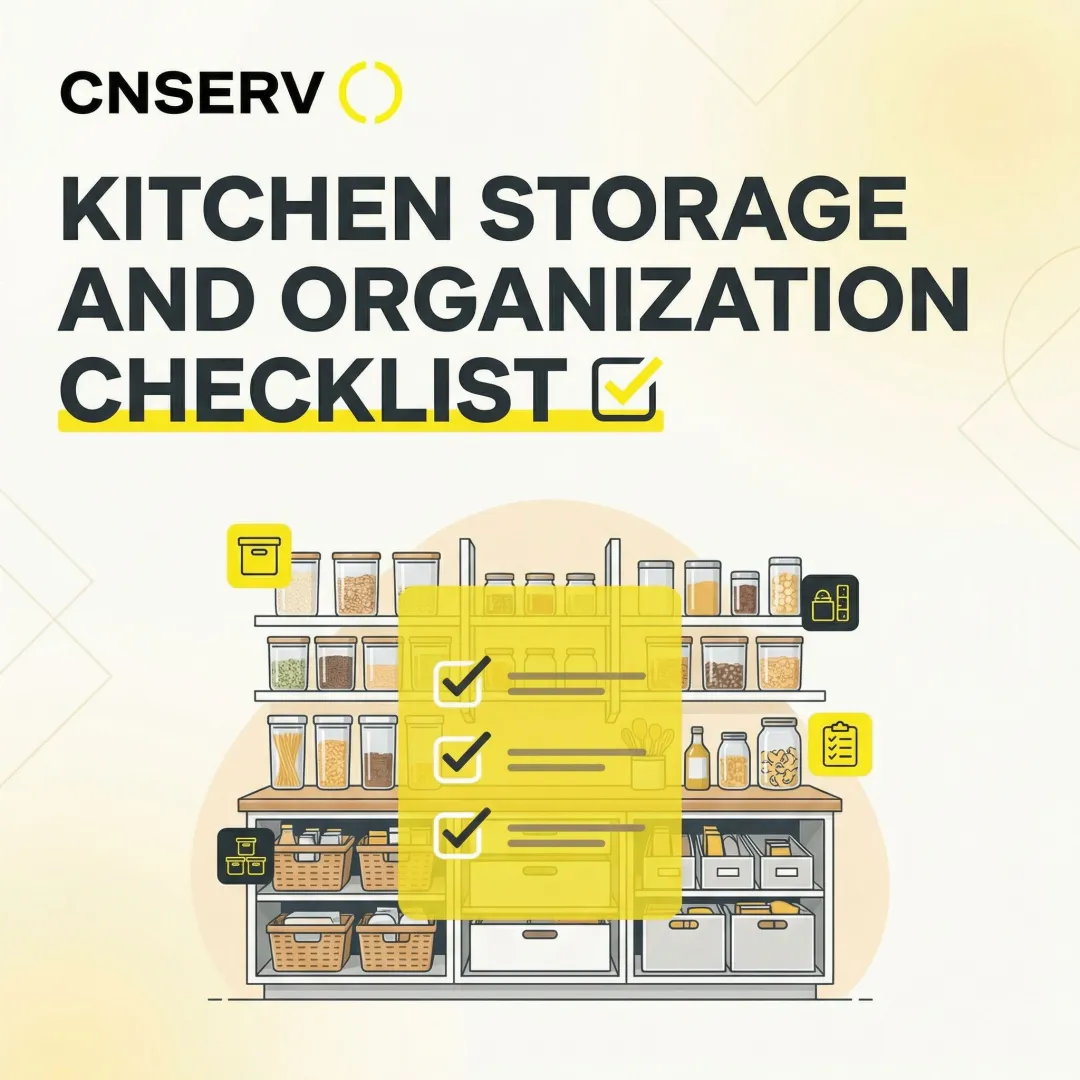
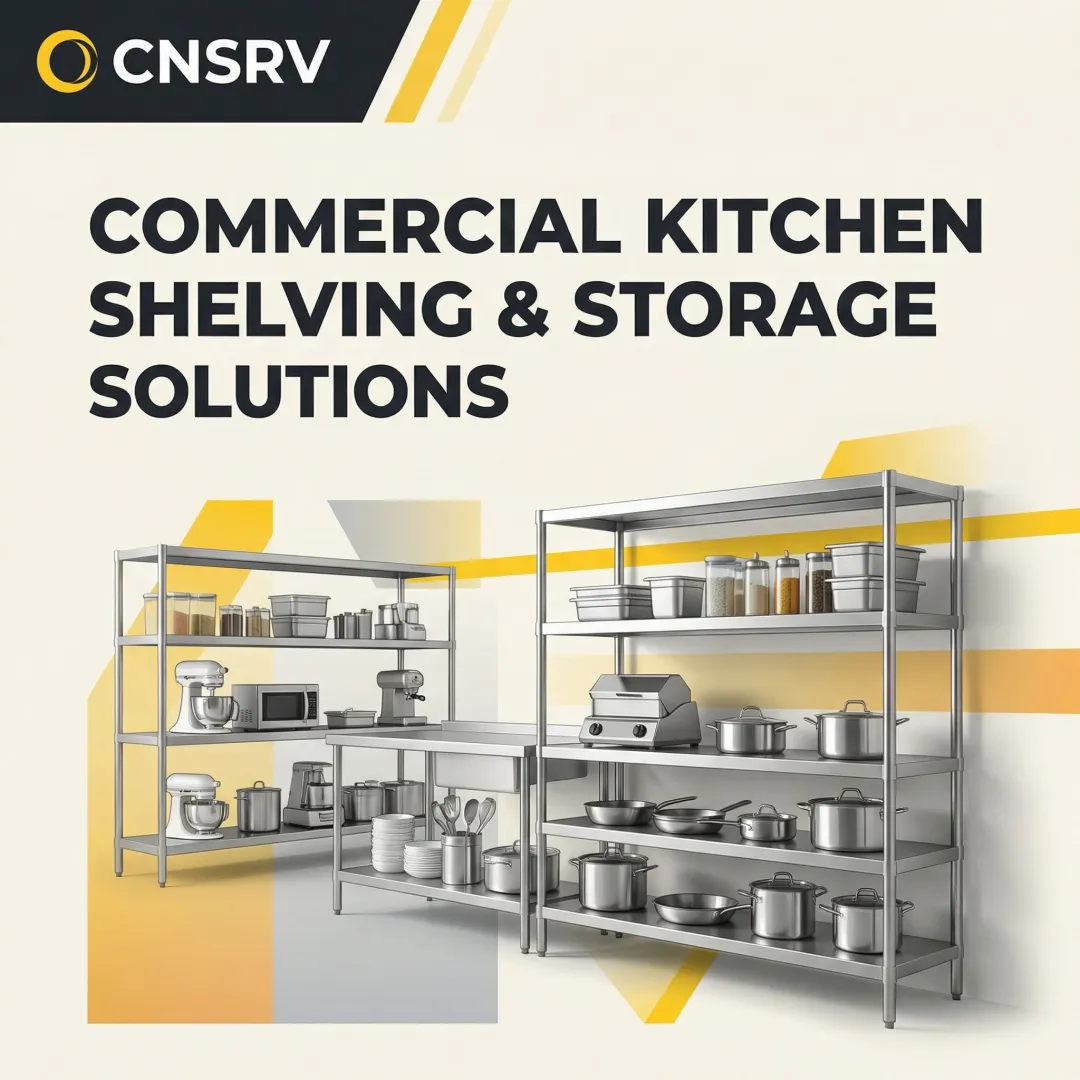
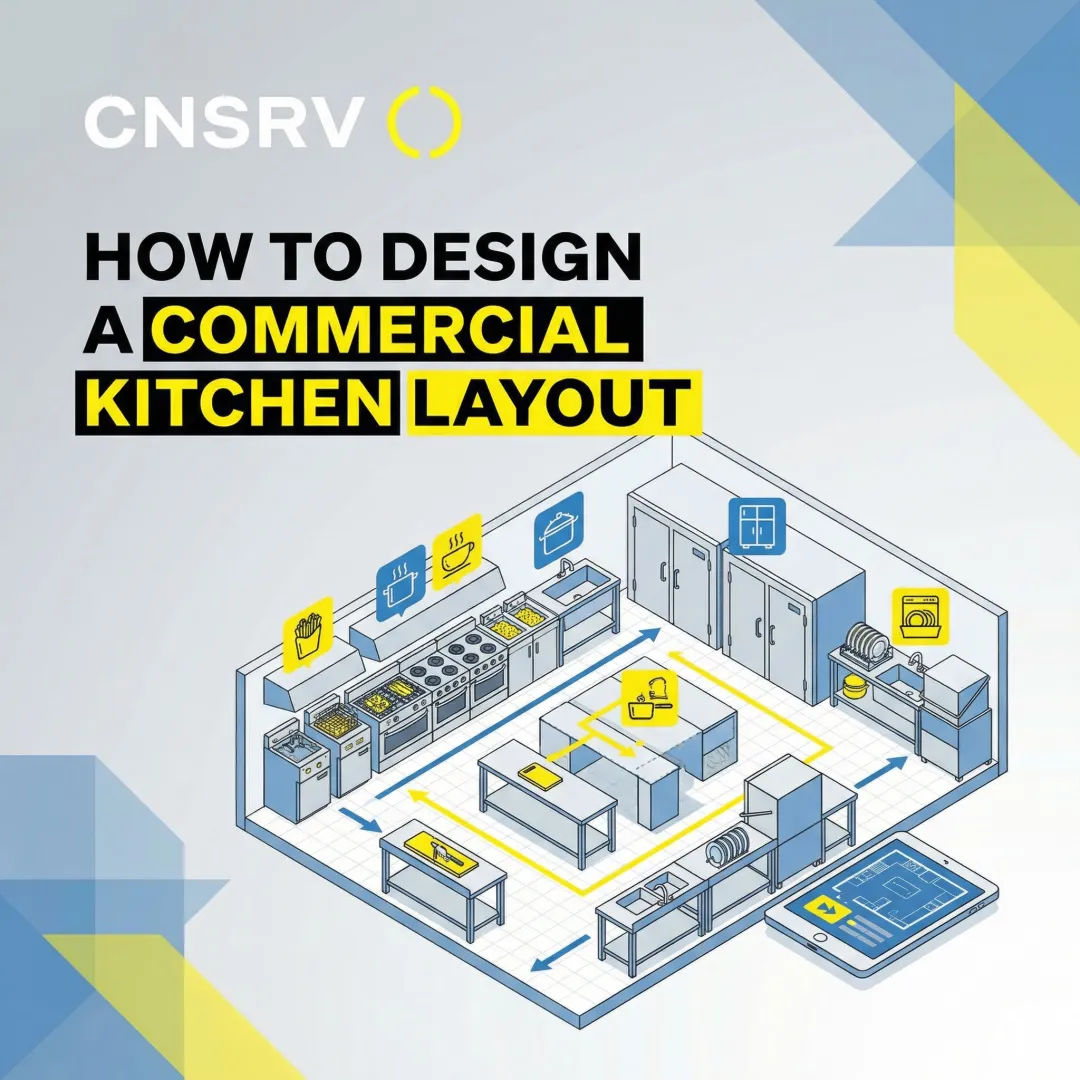
This guide provides practical, zone-by-zone storage solutions tailored for commercial kitchens. From shelving and labeling protocols to cold storage management and structured defrosting workflows, these strategies address the operational realities that separate efficient kitchens from costly ones. Small changes to how your kitchen is organized produce measurable improvements in throughput, compliance, and cost control.
TLDR
- Zone your kitchen by function before buying organizers—prep, cooking, storage, and cleaning areas each need distinct storage logic
- Use vertical space aggressively through wall-mounted racks and overhead storage to free up critical work surfaces
- Label everything and implement FIFO to reduce the 20% of food waste tied to poor rotation practices
- Switch to a closed-loop defrosting system to cut water waste, speed up thaw times, and eliminate cold-storage bottlenecks
- Keep organization from slipping: designate a lead, schedule regular walkthroughs, and train staff on the system
Why Commercial Kitchen Organization Impacts Your Bottom Line
The financial stakes of kitchen disorganization are substantial. The U.S. restaurant industry generates approximately 11.4 million tons of food waste annually, costing the sector an estimated $25 billion per year. The full cost of food waste for restaurants averages approximately $4,000 per ton, encompassing purchasing, preparation, and disposal expenses.
Beyond waste, disorganization bleeds labor efficiency. Time-motion studies show that implementing the 5S methodology reduces prep time by approximately 25% and increases productivity by around 20%. Well-organized station storage alone can reduce food preparation time by approximately 10% by minimizing search time for tools and ingredients.
Health code compliance is directly tied to storage discipline. The FDA's Retail Food Risk Factor Study identifies these as the top storage-related violations:
- Improper cold holding — 80% of inspected kitchens out of compliance
- Improper date marking — 64% out of compliance
- Lack of cross-contamination protection — 57% out of compliance

Inspectors cite these failures because they're visible indicators of whether a kitchen has active managerial control.
Organized kitchens reduce ticket times, cut food spoilage costs, and make onboarding new staff noticeably faster — all of which show up directly on the bottom line.
Zone-Based Layout: The Foundation of Kitchen Efficiency
Kitchen zoning divides your operation into dedicated functional areas (receiving, dry storage, cold storage, prep, cooking line, plating, and dishwashing) so every item has a logical home. The goal is simple: workflows that don't collide, and storage that doesn't create cross-contamination risks.
Before reorganizing, audit your current layout:
- Identify bottlenecks where staff wait for equipment or space
- Count steps between prep and cooking stations
- Note where staff most often reach for items that aren't nearby
- Track how many times items are moved unnecessarily
Core zone storage priorities:
Prep Zone
- Cutting boards, smallwares, and mise en place containers stored at arm's reach
- Vertical or under-counter storage keeps surfaces clear
- Only actively used items remain on prep surfaces
Cooking Line
- Pots, pans, and utensils hung or racked within reach
- No stacking that requires removing multiple items to access one tool
- High-turnover tools stored front-facing
Dry Storage
- Shelving units at least 6 inches off the floor (per FDA Food Code §3-305.11)
- Organized by category and rotation schedule
- Heaviest items on lower shelves; frequently accessed stock at eye level
Group items by frequency of use and station proximity. High-turnover tools stay front-facing; rarely used equipment moves to secondary storage. When every tool has a defined place, new hires get up to speed faster and the wrong-item grab becomes far less common.
This zone sequencing isn't just common sense — it's backed by professional kitchen design standards. The Foodservice Consultants Society International (FCSI) advocates for distinct functional zones to prevent cross-traffic and contamination, with layouts following a logical order: Receiving → Storage → Prep → Cook → Plating → Warewashing.

Smart Storage Solutions for Every Area of the Kitchen
Vertical and Wall-Mounted Storage
Convert unused vertical space into functional storage with:
- Wire wall shelving and pegboard or rail systems
- Pot racks for overhead pan storage
- Magnetic knife strips near prep stations
This is especially important in smaller or galley-style commercial kitchens where floor space is limited. Wall-mounted systems above prep areas keep essentials within reach and speed up cooking workflows.
Under-Counter and Lower-Cabinet Storage
Rolling speed racks, pull-out drawers, and undershelf baskets make hard-to-access zones usable. Commercial-grade shelving casters allow units to be moved for cleaning, keeping operations health-code compliant and preventing the buildup that leads to pest problems.
Dry Goods and Pantry Organization
Airtight food-grade containers with clear labeling reduce pest risk, speed up inventory checks, and prevent confusion between similar-looking bulk ingredients. Containers should be NSF-rated for food contact — the NSF/ANSI 2 and NSF/ANSI 51 standards ensure materials don't leach harmful substances and remain easy to clean between uses.
Cookware and Smallwares
Pan organizers and rack inserts prevent the "pan avalanche" problem common in busy kitchens. Store frequently used pans vertically for quick access; stack specialty items flat to save space.
Countertop Discipline
Keep only actively used items on prep surfaces: utensil crocks, cutting board holders, and mise en place inserts. Everything else should be stored to preserve working space. NIOSH research in food service found that 56% of injuries were musculoskeletal disorders, making proper storage heights critical for reducing strain.
Cold Storage, Freezer Organization, and Defrosting Workflow
Walk-In Cooler and Reach-In Organization
Proper shelving hierarchy is both a food safety and organizational principle. FDA Food Code §3-302.11 mandates a specific storage order based on cooking temperatures:
- Top shelf: Ready-to-eat foods (salads, cooked meats)
- Middle shelves: Raw animal foods requiring lower cooking temperatures (fish, pork at 145°F)
- Bottom shelf: Raw animal foods requiring higher cooking temperatures (poultry at 165°F)

This hierarchy prevents cross-contamination from drips and ensures compliance during inspections.
Freezer Organization
Clear labeling, date-marked containers, and section dividers in walk-in freezers prevent "mystery item" waste and support accurate par-level tracking. Keep frequently accessed items near the door to minimize cold air loss and retrieval time.
Defrosting: The Overlooked Workflow Problem
Many kitchens still use running-water defrost, which creates waterlogged prep areas, ties up sinks, and wastes enormous volumes of water. Standard commercial faucets flow at 4-10 gallons per minute, meaning one hour of use burns through 60 gallons. Kitchens defrosting for multiple hours daily can waste up to 1,000,000 gallons annually.
A dedicated defrosting station fixes this. The CNSRV DC:02 replaces running faucet defrost with a closed-loop, NSF-listed system that uses 98% less water and defrosts product in half the time. It requires zero installation and ships directly to the kitchen, making it easy to fit into an existing workflow without a facility overhaul.
The system circulates water at approximately 130 gallons per minute (10-30× faster than typical faucets) while maintaining temperatures below 70°F for FDA compliance. That controlled environment removes cross-contamination risks from water runoff and ensures defrosting completes well within the 2-hour safety window set by the FDA Food Code.
When defrosting has a defined station and consistent method:
- Prep timelines become predictable
- Food quality improves through controlled temperature management
- Water and utility costs drop measurably each billing cycle
- Labor efficiency increases as staff aren't tied to monitoring running faucets
Labeling, FIFO, and Inventory Management
FIFO (First In, First Out) is a regulatory requirement, not just a best practice. FDA Food Code §3-501.17 requires that refrigerated, ready-to-eat TCS foods be clearly marked to indicate the date by which the food shall be consumed or discarded—a maximum of 7 days at 41°F or less.
When shelves are overcrowded or unlabeled, FIFO breaks down and food spoilage increases. The pattern carries into commercial settings too: confusion over date labels accounts for an estimated 20% of consumer food waste, and kitchens without consistent labeling conventions face the same risk.
Practical labeling system:
- Date-and-content labels on all prepped items, bulk containers, and frozen product
- Color-coded labeling by day of week or allergen type
- Placement conventions so staff always know which shelf or bin to check
- Clear "Use By" dates for safety-sensitive items
Consistent labeling pays off beyond food safety. A well-labeled, properly rotated kitchen speeds up weekly inventory counts, cuts over-ordering, and tightens food cost percentage. ReFED estimates that standardizing date labels could divert 390,000 tons of food waste annually and deliver a net financial benefit of $1.67 billion.
Keeping Your Kitchen Organized Long-Term
A kitchen organization system is only as good as the habits that maintain it. Build these practices into daily operations:
- Assign zone ownership to specific staff or roles, so someone is always accountable when systems start to slip
- Add a 5-minute organization reset to the closing checklist — it prevents disorder that takes hours to fix
- Run a monthly deep audit to catch expired products, misplaced equipment, and degraded labeling before they become ingrained habits
- Include zone maps and storage logic in onboarding materials; walk new hires through the system on day one and frame organization as a food safety responsibility, not optional housekeeping
Frequently Asked Questions
How do you organize a commercial kitchen efficiently?
Zone the kitchen by function, assign every item a defined home, and use vertical storage to free up work surfaces. Regular staff training and assigned zone ownership keep the system intact over time.
What are the best storage solutions for a small commercial kitchen?
Wall-mounted racks, under-counter shelving, and vertical pan organizers maximize tight spaces. Prioritize wall and vertical space over floor area to avoid crowding your workflow.
How should food be stored in a commercial kitchen to meet health codes?
Follow the FDA Food Code storage hierarchy: ready-to-eat foods on top, raw proteins on lower shelves based on cooking temperature. Keep all food at least 6 inches off the floor and use airtight, labeled containers.
What is the proper way to organize a walk-in cooler or freezer?
Use section dividers to separate product categories and apply clear date labels for FIFO rotation. Keep frequently accessed items near the door to reduce how long it stays open and minimize cold air loss.
How does kitchen organization help with health code compliance?
Inspectors commonly cite improper food storage, cross-contamination risks, and FIFO failures—all directly addressed by structured organization. Proper storage demonstrates active managerial control during inspections.
How often should commercial kitchen storage areas be audited and reorganized?
Most operators benefit from a monthly audit of dry storage, walk-in coolers, and prep areas to catch labeling gaps, expired stock, and zone drift. Quarterly deep reviews help identify whether current storage layouts still match menu and volume changes.