Introduction
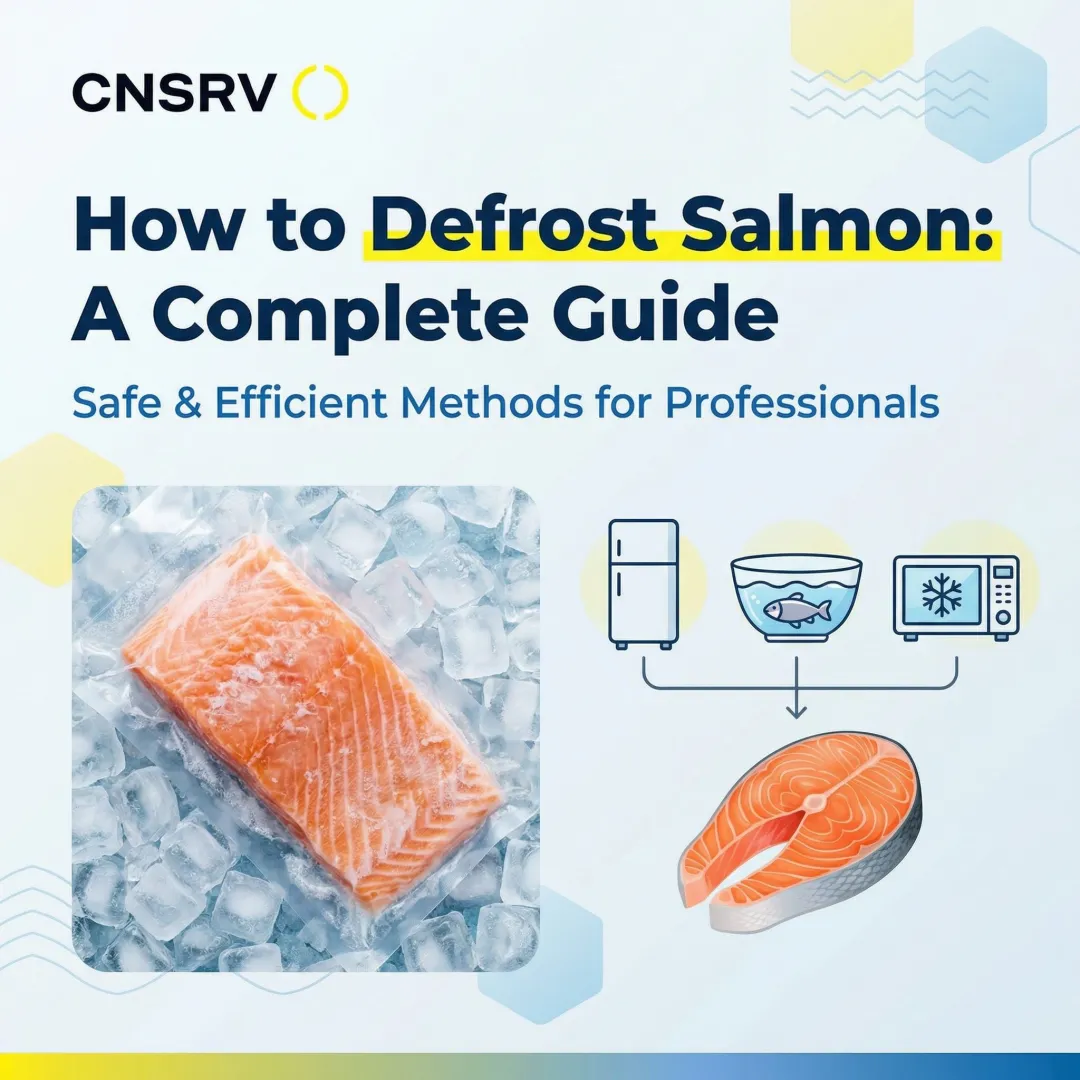
Water temperature is the single most controllable variable when thawing salmon—get it wrong and you risk both food safety and ruined texture. Most kitchen operators know to avoid hot water, but fewer understand the exact temperature zone that keeps salmon safe and high-quality during the thaw. Between 32°F and 40°F lies the narrow window where bacterial growth stays suppressed and cell structure remains intact.
This article covers the ideal water temperature range, how it varies by scenario, critical mistakes to avoid, and what happens when the wrong temperature is used. Whether you're running a busy restaurant kitchen or managing a large-scale foodservice operation, knowing these temperature thresholds directly affects both health code compliance and the quality of the food you serve.
TLDR
- Keep thaw water between 32°F and 40°F; warmer temps accelerate bacterial growth fast
- Refresh water every 20–30 minutes to prevent temperature drift into the danger zone
- Vacuum-sealed salmon carries specific botulism risk if thawed above 38°F in packaging
- Uncontrolled thaw water temps are a leading cause of health code violations in commercial kitchens
- Running faucet thawing burns through 315–661 gallons per cycle and makes consistent temperature control difficult
Why Water Temperature Matters When Thawing Salmon
Temperature directly controls bacterial growth rates. Salmon sitting in water warmer than 40°F enters the USDA-defined "Danger Zone," where pathogens like Salmonella and Listeria can double in number every 20 minutes.
The Botulism Risk in Vacuum-Packed Fish
Vacuum-sealed salmon presents a unique hazard: Clostridium botulinum type E, an anaerobic bacteria that thrives in low-oxygen environments. According to the FDA's Fish and Fishery Products Hazards and Controls Guidance, if refrigeration is the sole barrier to growth, vacuum-packed fish must be maintained at 38°F (3.3°C) or below throughout storage and thawing.
The risk escalates rapidly with temperature:
- At 42–50°F: C. botulinum can produce toxin within 2 days
- At 51–70°F: Toxin production occurs in just 11 hours
- Above 70°F: Toxin can form in 6 hours

Botulinum toxin can be present without any visible spoilage, off-odors, or taste changes — there's no reliable way to detect it by sight or smell.
Texture and Quality Impact
Beyond the safety risks, water temperature directly affects the quality of your salmon. Warm water causes the outer layers to partially denature proteins while the interior remains frozen, resulting in mushy, waterlogged flesh. Research published in Comprehensive Reviews in Food Science and Food Safety shows that thawing at 77°F causes significantly higher drip loss compared to thawing at 41°F — protein denaturation shrinks muscle fibers and forces out moisture, leaving dry, mealy texture after cooking.
Cold water thawing preserves cell structure by allowing gradual, uniform temperature equilibration across the fillet.
The Efficiency Paradox
Warmer water does not meaningfully speed up safe thawing—it dramatically increases risk. The outer surface may thaw faster, but the core remains frozen longer, extending total time in the danger zone. For any water-thaw method, keeping water at or below 40°F is the one variable that controls both safety and quality outcomes simultaneously.
The Right Water Temperature for Different Thawing Scenarios
The correct water temperature range stays consistent (32–40°F), but how you maintain it and for how long depends on the situation.
Quick Cold Water Thaw (Under One Hour)
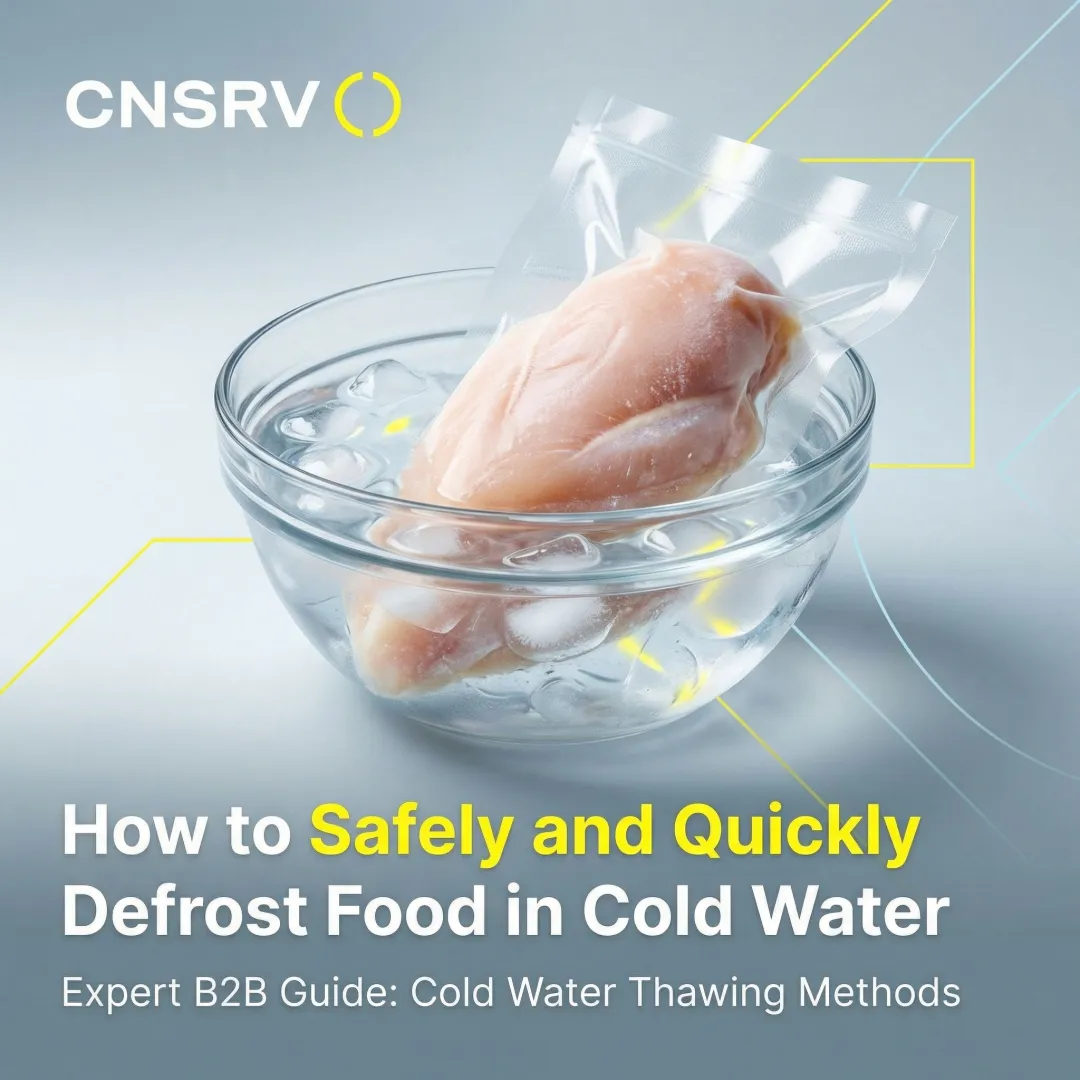
Small, vacuum-sealed salmon fillets submerged in cold tap water can thaw in 20–45 minutes. However, cold tap water temperatures vary significantly by region:
- Northern US: Groundwater remains in the high 30s°F year-round
- Southern US: Groundwater averages in the 70s°F, often exceeding safe thawing temperatures
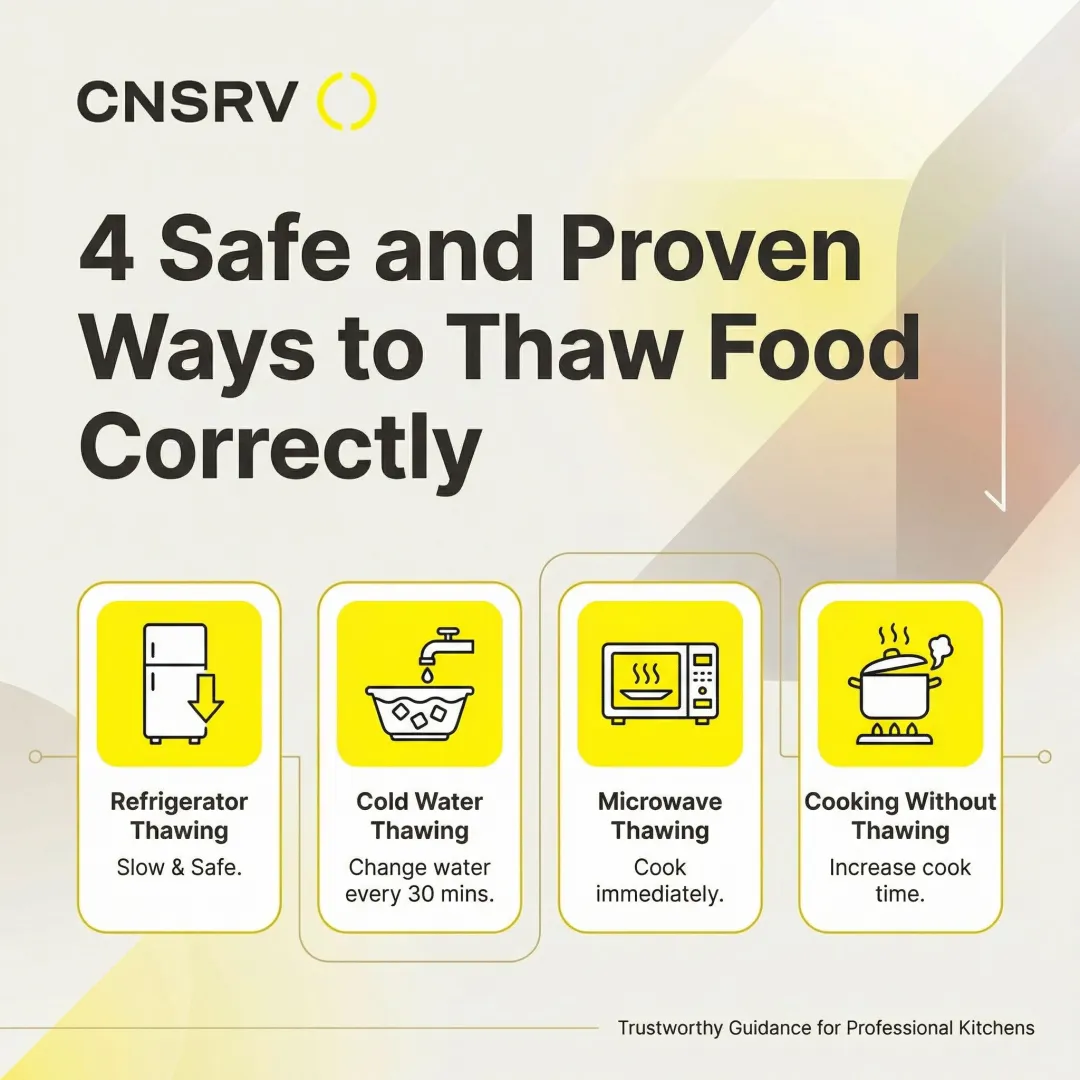
Refresh the water every 20–30 minutes — frozen salmon rapidly warms the surrounding water into the danger zone.
Refrigerator Thawing (Overnight Method)
Refrigerator thawing keeps salmon at a constant 35–40°F without any water temperature management required. It's the safest, most hands-off method, though it takes 8–24 hours depending on fillet size.
Vacuum-Sealed Packaging: Special Temperature Considerations
Vacuum-sealed (reduced oxygen packaging) creates anaerobic conditions where C. botulinum thrives. When thawing in water, the FDA Food Code requires either:
- Opening the packaging before thawing to introduce oxygen
- Keeping the sealed fish below 38°F for the entire thaw duration
If opening the packaging before thawing in water, place the salmon in a resealable bag to protect it from water absorption that degrades texture.
Commercial and High-Volume Thawing
Commercial kitchens running large quantities of salmon under a continuous cold faucet stream face both temperature compliance challenges and significant water waste. Keeping water cold enough to stay compliant means running it continuously — and research from Los Angeles commercial kitchens shows that running-water thawing consumes between 315 and 661 gallons per cycle.
Standard commercial faucets flow at 2.2 gallons per minute (132 gallons per hour), and in some restaurant types, defrosting accounts for up to 30% of total water usage.
Commercial solution: Purpose-built defrosting systems like CNSRV's NSF-listed DC:02 use controlled water agitation and temperature regulation to thaw salmon safely while using up to 98% less water than running faucet methods. The system circulates water at 130 gallons per minute within a closed loop, maintaining temperatures below 70°F (typically under 66°F). Salmon fillets thaw in 15–25 minutes — roughly half the time of a running faucet.
Temperature Mistakes That Put Your Salmon at Risk
Most thawing mistakes trace back to a handful of predictable temperature errors—each one avoidable once you know what to watch for.
Mistake 1: Thawing in Warm or Hot Water
Warm or hot water thawing is doubly dangerous: it triggers bacterial growth while physically damaging the salmon's outer flesh before the interior even begins to thaw. Some kitchen staff mistakenly believe speed justifies warm water, but the quality and safety risks make this approach unacceptable.
Mistake 2: Leaving Salmon in Standing Cold Water Too Long
Cold water absorbs heat from frozen salmon and can climb into the danger zone within 20–30 minutes. Static bowl thawing without water changes is a silent risk. The USDA explicitly requires changing water every 30 minutes for cold water thawing.
Mistake 3: Counter-Top or Room-Temperature Thawing
Room temperature (roughly 68–72°F) is well inside the bacterial danger zone from the moment salmon hits the counter. The USDA's two-hour rule for perishables at room temperature explicitly warns against this method.
Mistake 4: Assuming Microwave Defrost Is Equivalent to Cold Water
Microwave thawing creates uneven heat distribution, partially cooking some sections while leaving others frozen. The FDA Food Code requires that salmon thawed this way must be cooked immediately, and the quality trade-off is real—the result is mushy texture and noticeable moisture loss.
What Happens When You Thaw Salmon at the Wrong Water Temperature
Performance and Quality Degradation
Warm-water thawing causes surface protein denaturation: the outer flesh turns opaque, mushy, and loses its moisture-holding capacity. The cooked result will be dry and mealy regardless of cooking technique.
Food Safety Consequences
Quality loss is the obvious risk. The safety risk is less visible—and more serious. According to CDC outbreak data, temperature abuse is a leading contributing factor in foodborne illness outbreaks. While botulism from improperly thawed vacuum-packed fish is rare, it is life-threatening—and unlike many pathogens, botulinum toxin can be present without visible spoilage.
Operational and Compliance Costs for Commercial Kitchens
Those safety risks carry direct operational consequences. A thawing-related food safety incident can trigger health department violations, product loss, and lasting reputational damage. The FDA Food Code establishes thawing temperature requirements that most state and local health codes adopt—making non-compliance a citable offense.
Representative penalties for temperature violations:
| Jurisdiction | Violation Type | Potential Penalty |
|---|---|---|
| FDA Food Code | Priority Foundation | Up to $1,000 fine/year imprisonment |
| New York City | Improper Thawing | $200–$300 |
| New York City | Cold Holding >41°F | $250–$600 |
| Maryland | Civil Penalty | Up to $5,000 per violation per day |
| Texas | Administrative Penalty | $1,250 to $10,000 |
Best Practices for Controlling Water Temperature When Thawing Salmon
Planning and Temperature Management
Always start with the coldest available tap water. Use a thermometer to confirm water stays below 40°F, and set a timer to refresh the water every 20–30 minutes. Never leave salmon unattended in standing water for longer than that interval.
Align Thawing Method with Operational Workflow
Home cooks with time: Default to refrigerator thawing for optimal safety and texture.
Commercial kitchens with unpredictable demand: Use a controlled cold-water system that maintains consistent temperature without constant manual monitoring. The CNSRV DC:02 was built for exactly this — keeping water conditions safe without the cost and waste of running faucets. It handles compliance automatically:
- Maintains FDA-compliant temperatures below 70°F
- Circulates water continuously for uniform heat transfer
- Independently verified by Dr. Eric Schulze, PhD (former FDA food-safety regulator) to meet FDA Food Code and California Retail Food Code requirements
Post-Thaw Handling
Once salmon reaches a fully thawed state, cook it promptly. Do not resubmerge thawed salmon in water or let it sit at ambient temperature. Pat it dry before cooking to prevent steaming instead of searing.
Frequently Asked Questions
Should I thaw salmon in hot or cold water?
Cold water only (below 40°F) is safe. Hot or warm water pushes salmon into the bacterial danger zone and damages the texture of the outer flesh before the center thaws, resulting in mushy, waterlogged fish.
How do you defrost salmon quickly?
The fastest safe method is submerging vacuum-sealed or bagged salmon in a bowl of cold water, refreshed every 20–30 minutes. Small fillets can thaw in 20–45 minutes. The microwave defrost setting is an option but risks uneven thawing and requires immediate cooking afterward.
How to thaw salmon to avoid botulism?
Botulism risk is highest with vacuum-sealed fish thawed improperly. To avoid it, either open the vacuum packaging before cold-water thawing — allowing oxygen in — or thaw the sealed fish in the refrigerator at 38°F or below.
What is the ideal water temperature for thawing fish safely?
The ideal water temperature is between 32°F and 40°F—this keeps the fish out of the bacterial danger zone while actively transferring heat to thaw the flesh. Tap water should be refreshed regularly to stay within this range.
Can you thaw salmon at room temperature?
Room temperature thawing is not safe. The USDA warns that perishable food left at room temperature for more than two hours enters the danger zone, where bacteria can multiply rapidly to unsafe levels.
How long does it take to thaw salmon in cold water?
Thaw time depends on fillet size. Small fillets (4–6 oz) typically thaw in 20–45 minutes, while larger cuts or a full side of salmon can take 1–2 hours.